Introduction to LS63 Photoelectric Sensor
The LS63 photoelectric sensor is a high-performance device designed for reliable object detection in demanding industrial environments. With advanced optics and robust construction, it offers consistent accuracy for automated systems. This sensor utilizes a modulated infrared light source to detect objects regardless of color, surface finish, or material, making it ideal for packaging, material handling, and conveyor systems.
Key Technical Specifications
The LS63 operates with a detection range up to 15 meters for through-beam models, and up to 2 meters for diffuse reflection versions. It supports multiple output configurations, including NPN/PNP and analog voltage/current signals. The sensor features a response time of 0.5 ms, ensuring high-speed detection for fast-moving targets. Its IP67-rated housing provides protection against dust and water ingress, suitable for wet or harsh conditions. Operating temperature ranges from -25°C to +70°C, ensuring stability in extreme environments.
Installation and Wiring Guidelines
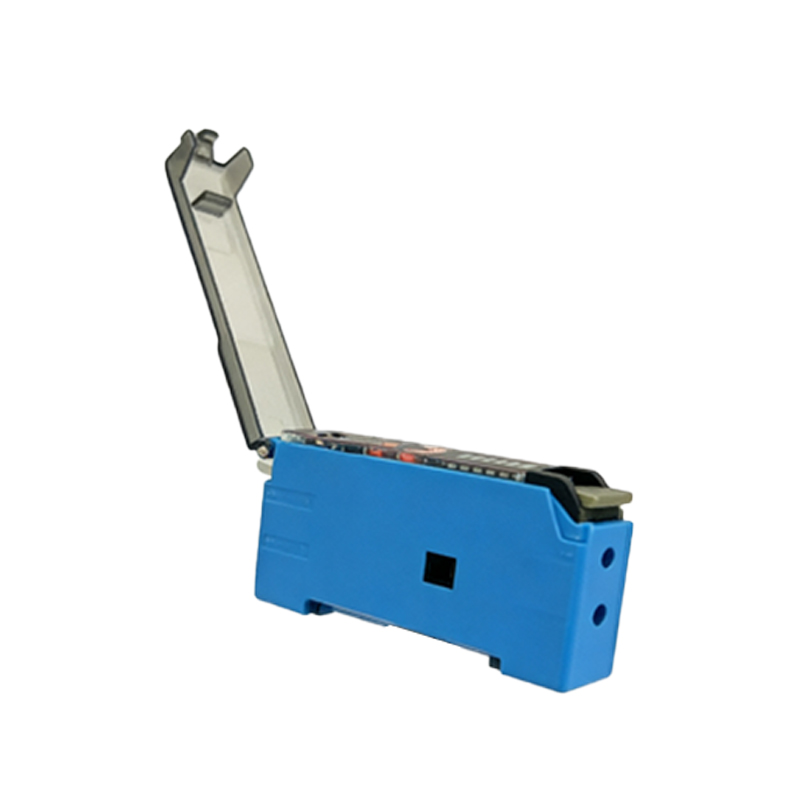
For optimal performance, mount the LS63 on a stable surface with the emitter and receiver aligned properly for through-beam models. Use shielded cables to minimize electromagnetic interference. Connect the power supply (12-24 VDC) with proper polarity, and ensure the load does not exceed 100 mA. Adjust the sensitivity potentiometer to match target size and distance. For diffuse models, avoid shiny backgrounds that may cause false triggers. Always use a grounding wire to reduce noise.
Application Scenarios in Industry
In manufacturing, the LS63 excels at detecting transparent or small objects like glass bottles or electronic components. For logistics, it monitors box positions on conveyor belts with zero-error accuracy. In the food and beverage industry, its stainless steel version resists corrosive cleaning agents. The sensor also supports retro-reflective setups for long-range detection in warehouse aisles, reducing downtime in automated guided vehicle systems.
Troubleshooting Common Issues
If the sensor fails to detect, check for dirty lenses and clean with a soft cloth. Verify alignment and power supply voltage. For intermittent faults, inspect cable connections for damage. When false triggers occur, reduce sensitivity or adjust the background suppression setting. For through-beam models, ensure no obstructions block the light path. Use the built-in LED indicator to diagnose output status: steady green means correct detection, red indicates error.
Maintenance and Longevity Tips
Regularly inspect the sensor housing for cracks or corrosion. Clean the optical lens weekly with isopropyl alcohol to maintain signal strength. Replace the seal gasket every 12 months to preserve IP67 integrity. Store spare units in a dry, temperature-controlled area. For high-vibration applications, use the optional vibration-dampening mount. Performing these steps extends sensor lifespan beyond 10 years in standard industrial use.