Understanding Photoelectric Sensor Accuracy
Photoelectric sensors are widely used in industrial automation for detecting objects, measuring distances, and ensuring process control. Their accuracy depends on several factors, including sensor type, target material, and environmental conditions. Generally, photoelectric sensors offer high precision, with typical accuracies ranging from ±0.1 mm to ±1 mm for standard models, while high-performance laser-based sensors can achieve sub-millimeter accuracy. However, it is crucial to understand that "accuracy" in this context refers to the sensor's ability to consistently detect a target at a specified distance or position without deviation.
Types of Photoelectric Sensors and Their Precision
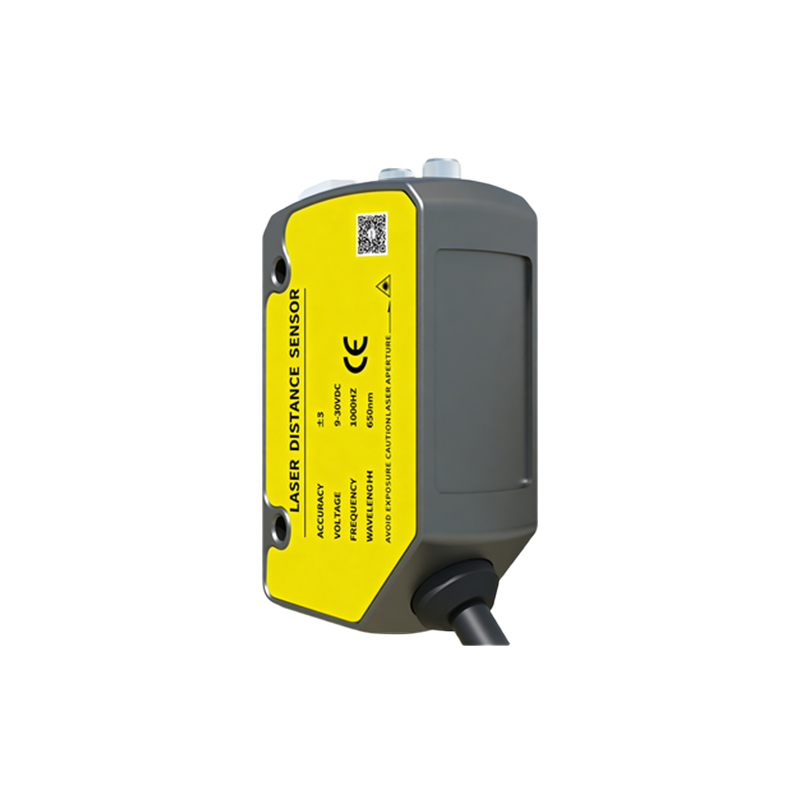
There are three main types: through-beam, retro-reflective, and diffuse sensors. Through-beam sensors, consisting of separate emitter and receiver, provide the highest accuracy due to their long range and minimal interference from background objects. They can detect small objects with high repeatability. Retro-reflective sensors use a reflector to bounce the beam back, offering good accuracy but slightly less than through-beam, as beam alignment with the reflector is critical. Diffuse sensors rely on the target's reflectivity, making them less accurate for transparent or low-reflective materials but ideal for short-range detection. Laser-based photoelectric sensors represent the top tier, with accuracy down to ±0.02 mm, suitable for precision tasks like electronic component placement.
Factors Affecting Sensor Accuracy
Several variables can degrade photoelectric sensor performance. Ambient light, such as sunlight or nearby fluorescent lamps, may cause false triggers in some models unless they incorporate ambient light rejection circuitry. Target surface characteristics, including color, texture, and reflectivity, significantly impact accuracy—for instance, a matte black surface absorbs more light than a shiny white one, reducing detection range. Temperature fluctuations can also affect the sensor's internal electronics, leading to drift over time. Additionally, dust, dirt, or moisture on the sensor lens or target can scatter the beam, causing inconsistent readings. Regular cleaning and calibration are essential for maintaining accuracy.
Real-World Applications and Reliability
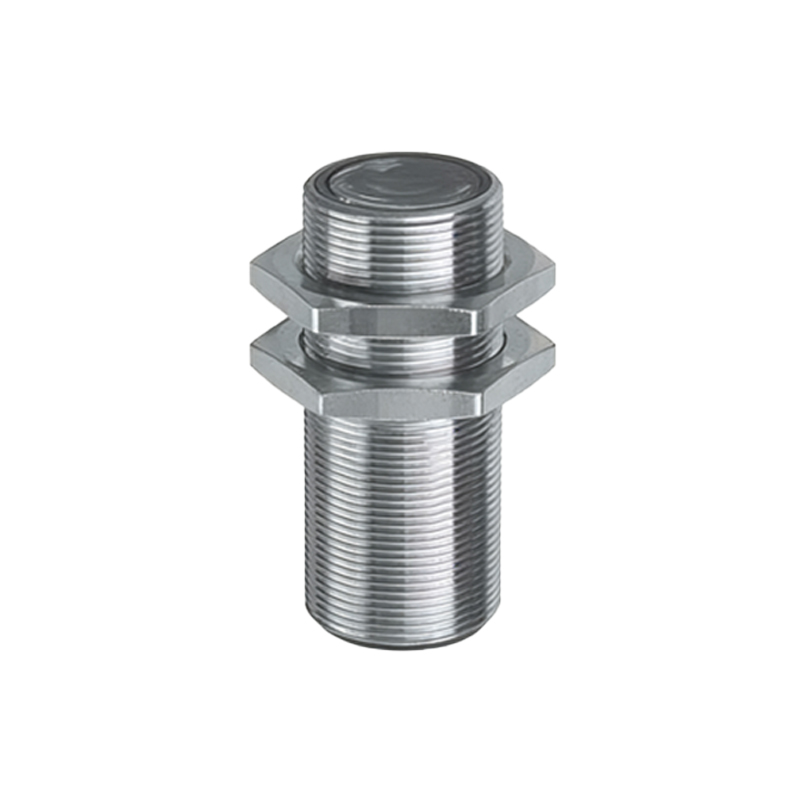
In manufacturing environments, photoelectric sensors are used for counting bottles on a conveyor, verifying package presence, or guiding robotic arms. While they are generally reliable, false positives or negatives can occur if the sensor is not properly configured for the specific application. For example, using a diffuse sensor to detect transparent glass bottles may require special background suppression or polarized filters. In cleanrooms or heavy industrial settings, selecting a sensor with IP67 or higher rating ensures resistance to dust and water. Overall, when correctly selected and installed, photoelectric sensors meet the rigorous demands of modern automation.
Conclusion: Are They Accurate Enough?
Photoelectric sensors are highly accurate for most industrial tasks, especially when using through-beam or laser models. However, their performance is not absolute and requires careful consideration of environmental factors, target material, and sensor type. For applications demanding extreme precision, such as semiconductor manufacturing, laser-based sensors are the optimal choice. In general, with proper setup and maintenance, photoelectric sensors provide reliable and accurate detection, making them a staple in the electrical industry.