Understanding Photoelectric Sensor Basics
Photoelectric sensors are critical components in industrial automation, converting light signals into electrical outputs to detect objects, distances, or material presence. Their reliability depends on precise materials and components, each serving a unique function. From light-emitting diodes to optical lenses, the selection of materials directly impacts sensor performance in harsh environments. This article explores the key materials used in photoelectric sensors, focusing on their roles in sensing, signal processing, and durability.
Light Source Materials: LEDs and Laser Diodes
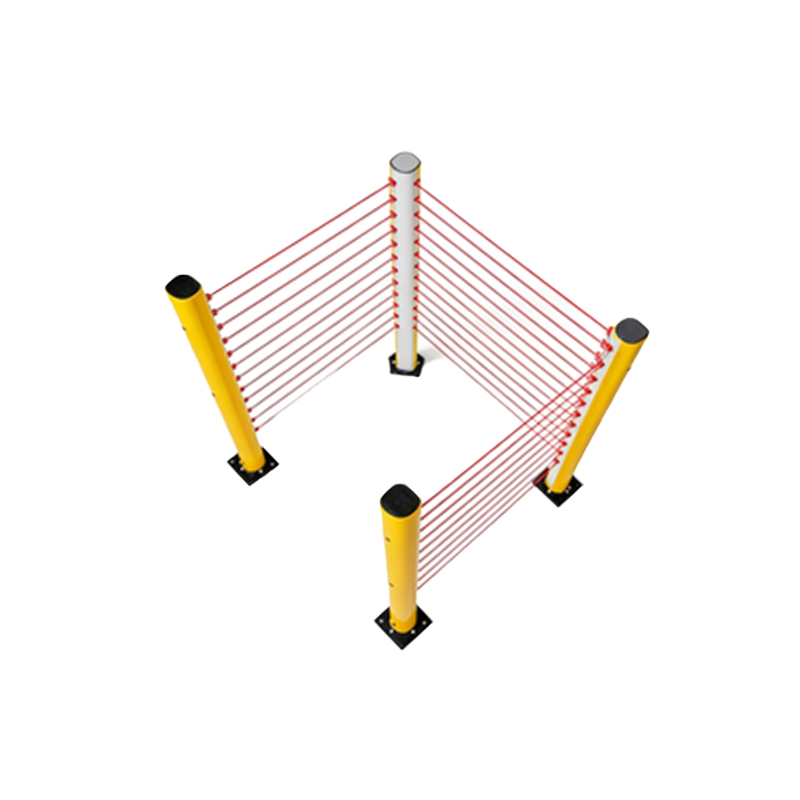
The light source is the heart of any photoelectric sensor. Common materials include infrared LEDs, visible red LEDs, and laser diodes. Infrared LEDs (e.g., GaAs or GaAlAs) offer long operational life and low power consumption, ideal for diffuse and retro-reflective sensors. Red LEDs (e.g., AlGaInP) provide better visibility for alignment. Laser diodes (e.g., GaN-based) enhance precision for long-range detection but require advanced heat dissipation materials like aluminum nitride substrates. For fiber-optic sensors, photonic crystal fibers or polymer optical fibers are used, offering flexibility in confined spaces.
Optical Components: Lenses, Filters, and Reflectors
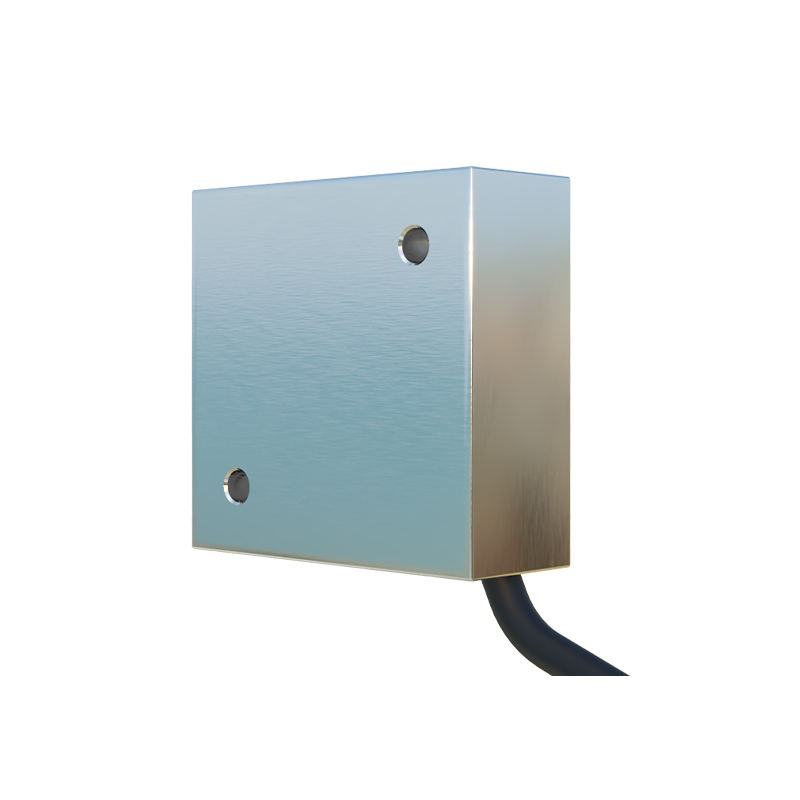
Optical materials shape and focus light beams. Lenses are typically made from polycarbonate or acrylic (PMMA) for cost-effectiveness, while high-temperature environments use glass (borosilicate or fused silica). Polarizing filters (e.g., polyvinyl alcohol-based) reduce false triggers from shiny surfaces. Retro-reflectors employ corner cube arrays or microprismatic films, often made from acrylic or polycarbonate to maximize light return. Anti-reflective coatings on lenses minimize signal loss, using materials like magnesium fluoride or silicon dioxide.
Photodetector Materials: Photodiodes and Phototransistors
Photodetectors convert light into electrical current. Silicon photodiodes (e.g., PIN or avalanche types) dominate due to high sensitivity in visible and near-infrared spectra. For ultraviolet applications, gallium nitride (GaN) photodetectors are used. Phototransistors (e.g., Darlington pairs) amplify signals but respond slower than photodiodes. In harsh industrial settings, hermetically sealed photodetectors with ceramic substrates prevent moisture ingress. Material selection must balance speed, gain, and spectral response.
Housing and Encapsulation Materials
Sensor housings protect internal components. Common materials include die-cast aluminum (for heat dissipation), stainless steel (corrosion resistance), or engineered plastics like PBT and ABS (lightweight). For hazardous areas, explosion-proof housings use anodized aluminum or polycarbonate with flame-retardant additives. Encapsulation materials (e.g., epoxy resins or silicone gels) shield electronics from vibration and moisture. IP67-rated sensors often use polyurethane gaskets for sealing.
Signal Processing and Circuit Board Materials
The circuitry requires robust PCB materials. High-frequency sensors use Rogers or Teflon-based laminates to minimize signal loss. Standard FR4 boards are cost-effective for low-frequency models. Amplifier ICs are typically made from silicon, with gold bonding wires for corrosion resistance. Capacitors and resistors use ceramic or thin-film technologies. For noise immunity, ferrite beads are integrated into the circuit to suppress electromagnetic interference.
Accessories and Mounting Materials
Mounting brackets are often made from stainless steel or zinc-plated steel for strength. Cable materials include PVC, PUR, or silicone jackets, chosen for flexibility or resistance to oils and chemicals. Connectors use brass or nickel-plated contacts with PBT insulators. For fiber-optic extensions, polyimide or PTFE tubing protects fibers in high-temperature areas.
Special Materials for Extreme Environments
For sensors operating in high-temperature (e.g., 150°C+), materials like Teflon-insulated wires and ceramic lens mounts are essential. Explosion-proof sensors use aluminum-silicon alloy housings with quartz windows. Washdown-duty sensors employ FDA-approved silicone gaskets and 316L stainless steel. In vacuum applications, outgassing-free materials like polyimide and gold-plated contacts are mandatory.
Conclusion: Material Selection Best Practices
Choosing the right materials ensures photoelectric sensors meet reliability, cost, and environmental demands. Engineers must evaluate light source efficiency, detector sensitivity, and housing durability. Future trends include using graphene-based photodetectors and biodegradable housings to reduce electronic waste. Understanding these materials empowers designers to optimize sensor performance for specific industrial applications.