Understanding the Role of Photoelectric Sensors
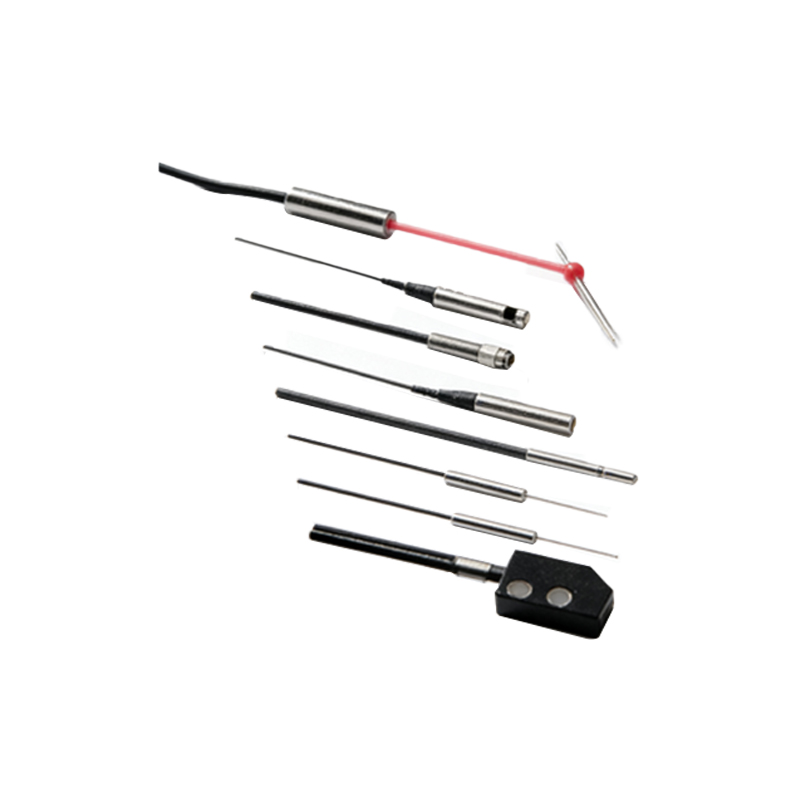
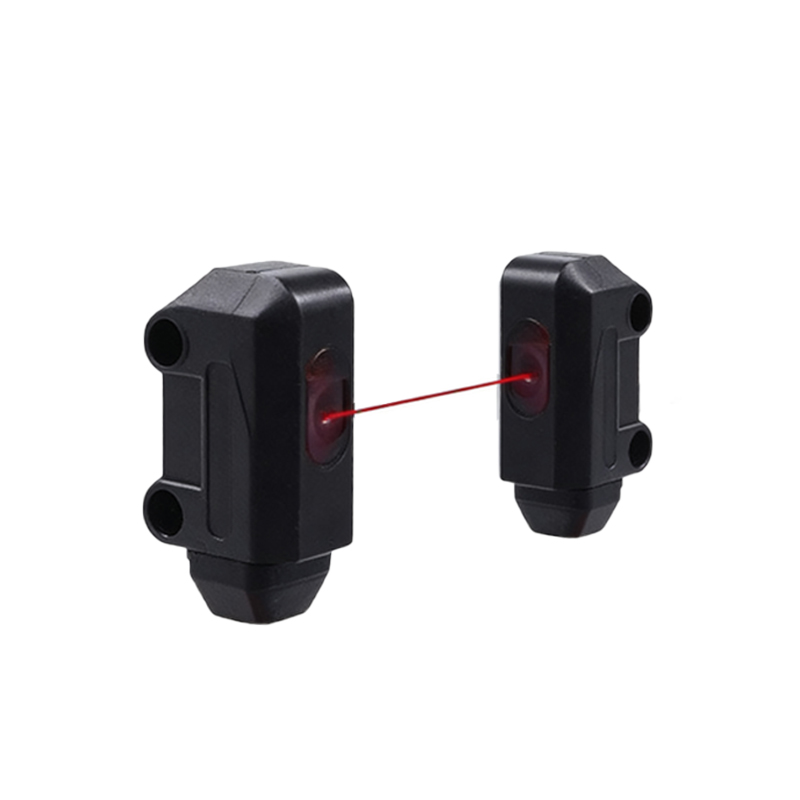
Photoelectric sensors are standalone devices that detect objects or changes in light intensity. They generate a simple output signal—typically a discrete digital signal (ON/OFF) or an analog voltage/current—when they sense a target. This signal can be directly used by a PLC, relay, or even a simple indicator lamp. However, the sensor itself does not require a PLC to function. It will produce its output regardless of whether a controller is present. For example, in a basic conveyor system, a photoelectric sensor can directly trigger a motor stop via a relay without any PLC involvement.
When a PLC Is Not Necessary
In many straightforward automation tasks, a PLC is unnecessary. For example, counting products on a line can be achieved by connecting the sensor’s output to a simple counter module. Similarly, triggering a warning light or activating a solenoid valve can be done with a relay. The sensor’s output is sufficient for these discrete control functions. The key factor here is simplicity: if the application involves only one or two sensors and requires no logic, timing, or data logging, a PLC adds unnecessary cost and complexity.
When a PLC Becomes Essential
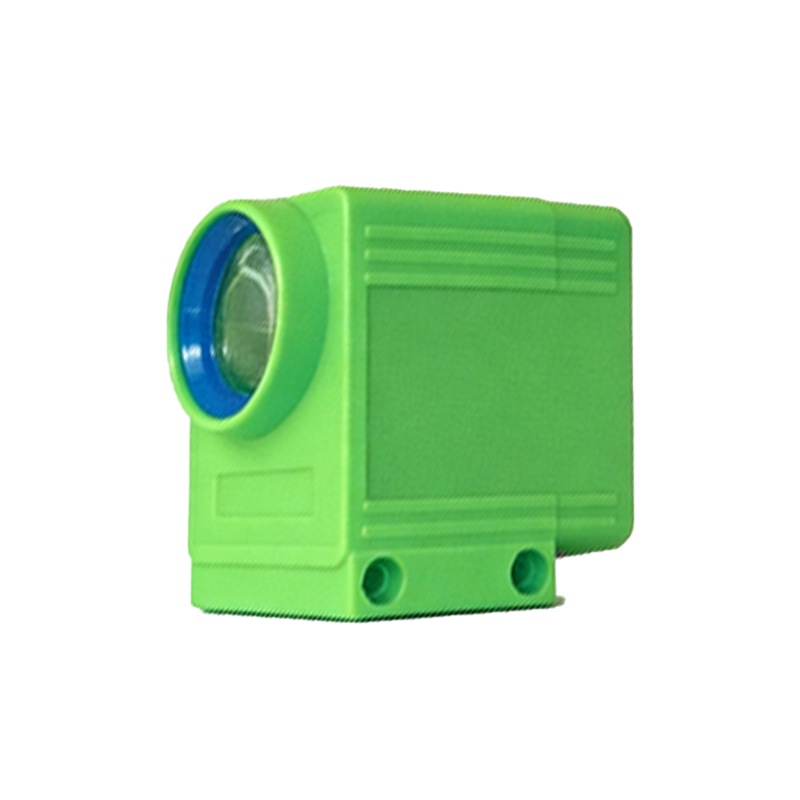
Complex systems often demand a PLC. Consider a packaging line where multiple sensors monitor product position, speed, and orientation. The PLC processes these inputs, applies logic (e.g., “if sensor A detects product and sensor B is clear, then activate conveyor C”), and coordinates multiple outputs. Additionally, PLCs offer features like:
- Timing and sequencing: Adjustable delays for precise operations.
- Data logging: Recording sensor events for maintenance or quality control.
- Communication: Sharing data with SCADA or other systems.
- Safety interlocking: Ensuring safe operation with redundant checks.
Without a PLC, managing these tasks with discrete relays would be impractical and error-prone.
Key Considerations for Your Application
Before deciding, evaluate the following:
1. Number of sensors: More than 3-4 sensors often justify a PLC for organized wiring and programming.
2. Logic complexity: If you need conditional actions (if, then, else), a PLC is the efficient choice.
3. Future scalability: A PLC allows easy addition of sensors or outputs later.
4. Cost vs. benefit: For simple tasks, relay-based control is cheaper; for complex tasks, PLCs reduce troubleshooting time and improve reliability.
5. Environmental factors: PLCs can handle harsh industrial conditions, but standalone sensors are also rugged.
Integration Tips for Engineers
When integrating photoelectric sensors with a PLC, ensure:
- Output type match: Choose NPN (sinking) or PNP (sourcing) outputs compatible with PLC input modules.
- Wiring: Use shielded cables near high-frequency noise sources.
- Filtering: Implement software debounce for fast-moving targets.
- Redundancy: For critical applications, use dual sensors for fail-safe operation.
Proper integration minimizes false triggers and extends sensor life.
Conclusion
Photoelectric sensors do not require a PLC to function. They are self-contained and can directly control simple processes. However, for applications involving multiple sensors, logic, timing, or data management, a PLC is indispensable. The decision hinges on the complexity of your automation task, budget, and future expansion plans. By understanding these factors, you can design a cost-effective and reliable system.