Light sensors, also known as photodetectors, are fundamental components in modern electronic systems, converting light signals into measurable electrical outputs. The design of these sensors requires a multidisciplinary approach, blending principles from optics, semiconductor physics, and circuit design. At its core, a light sensor operates by exploiting the photoelectric effect, where incident photons transfer energy to electrons in a material, generating a current or voltage proportional to light intensity.
The selection of photodetector material is a primary design consideration. Silicon-based sensors dominate visible light applications due to their compatibility with standard CMOS fabrication processes and cost-effectiveness. For near-infrared detection, materials like indium gallium arsenide (InGaAs) offer higher sensitivity, while ultraviolet regions often require specialized semiconductors such as silicon carbide or gallium nitride. Each material presents trade-offs in spectral response, dark current, response time, and quantum efficiency that designers must balance according to application requirements.
Sensor architecture significantly influences performance. Photodiodes, the most common configuration, provide linear response and moderate speed suitable for ambient light sensing and optical communications. Phototransistors incorporate internal gain, amplifying weak signals but often at the expense of response time and linearity. For ultra-low-light applications like astronomical imaging or medical diagnostics, avalanche photodiodes (APDs) and photomultiplier tubes (PMTs) utilize multiplication effects to detect single photons, though they require precise voltage control and temperature stabilization.
Circuit design surrounding the photodetector is equally critical. Transimpedance amplifiers convert the sensor's small output current into a usable voltage while minimizing noise introduction. Designers must carefully manage bandwidth limitations, offset voltages, and feedback network stability. For digital systems, analog-to-digital converters with appropriate resolution capture intensity variations, while integrated digital interfaces like I²C or SPI simplify system integration. Power consumption constraints in portable devices drive innovations in low-power amplifier design and sleep-mode circuitry.
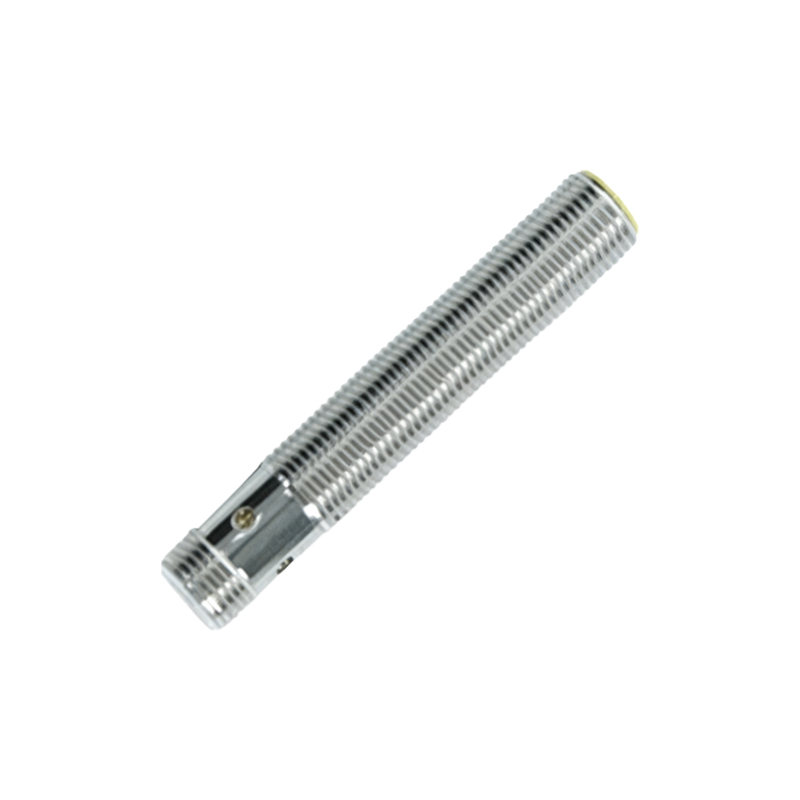
Environmental factors impose additional design challenges. Temperature variations affect dark current and spectral response, necessitating compensation algorithms or hardware stabilization. Optical design elements—such as lenses, filters, and diffusers—control field of view, reject unwanted wavelengths, and manage light saturation. Packaging must protect sensitive components from moisture, mechanical stress, and electromagnetic interference while maintaining optical clarity.
Emerging applications continuously push design boundaries. In autonomous vehicles, LiDAR systems demand sensors with nanosecond response times and high dynamic range. Wearable health monitors require miniaturized sensors capable of detecting pulse oximetry through skin. Industrial automation relies on robust sensors for precise color matching and defect detection. The Internet of Things expands needs for low-cost, energy-harvesting light sensors that operate for years on minimal power.
Future developments point toward integrated smart sensors combining photodetection with onboard processing using machine learning algorithms. These systems can perform edge computing tasks like gesture recognition or adaptive brightness control without external processors. Advances in nanomaterials, such as graphene and quantum dots, promise sensors with tunable spectral responses and flexibility for novel form factors.

Successful light sensor design ultimately hinges on clearly defining application parameters: target wavelength, intensity range, response speed, accuracy, size constraints, and cost targets. By systematically addressing material selection, device physics, electronic interfacing, and environmental robustness, engineers create photodetection solutions that bridge the physical world of light with the digital realm of data.