Laser sensor guidance represents a pivotal advancement in automation, enabling precise navigation and control across various industries. Unlike traditional mechanical or optical methods, laser-based systems utilize focused light beams to detect, measure, and guide objects with exceptional accuracy. This technology operates by emitting laser pulses toward a target, then analyzing the reflected signals to determine distance, position, or orientation. The data is processed in real-time, allowing automated systems—such as robotic arms, autonomous vehicles, or assembly lines—to adjust their movements dynamically.
In manufacturing, laser guidance is integral to robotics. Robots equipped with laser sensors can perform intricate tasks like welding, painting, or part placement with micron-level precision. For example, in automotive production, lasers guide robotic welders along seams, ensuring consistent quality while reducing human error. Similarly, in electronics assembly, sensors direct components onto circuit boards, enhancing speed and reliability. The non-contact nature of lasers minimizes wear and tear, extending equipment lifespan and lowering maintenance costs.

Logistics and warehousing have also been transformed by laser sensor guidance. Automated guided vehicles (AGVs) and autonomous mobile robots (AMRs) rely on laser scanners to navigate complex environments. These sensors create detailed 3D maps of surroundings, detecting obstacles and optimizing routes for efficient material handling. In large distribution centers, laser-guided systems streamline inventory management, enabling 24/7 operations with minimal supervision. This boosts productivity while ensuring safety in dynamic workspaces.
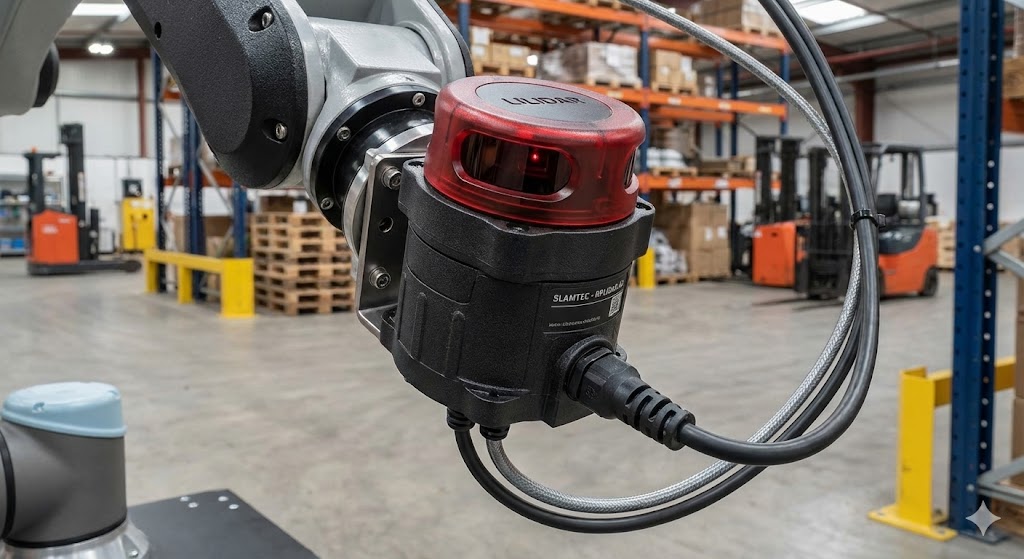
Beyond industrial settings, laser guidance plays a crucial role in emerging fields like autonomous transportation. Self-driving cars use LiDAR (Light Detection and Ranging) sensors, a laser-based technology, to perceive road conditions. By emitting thousands of laser pulses per second, LiDAR generates high-resolution point clouds that help vehicles identify pedestrians, other cars, and traffic signs. This real-time environmental awareness is essential for safe navigation, supporting the development of smart cities and sustainable mobility solutions.
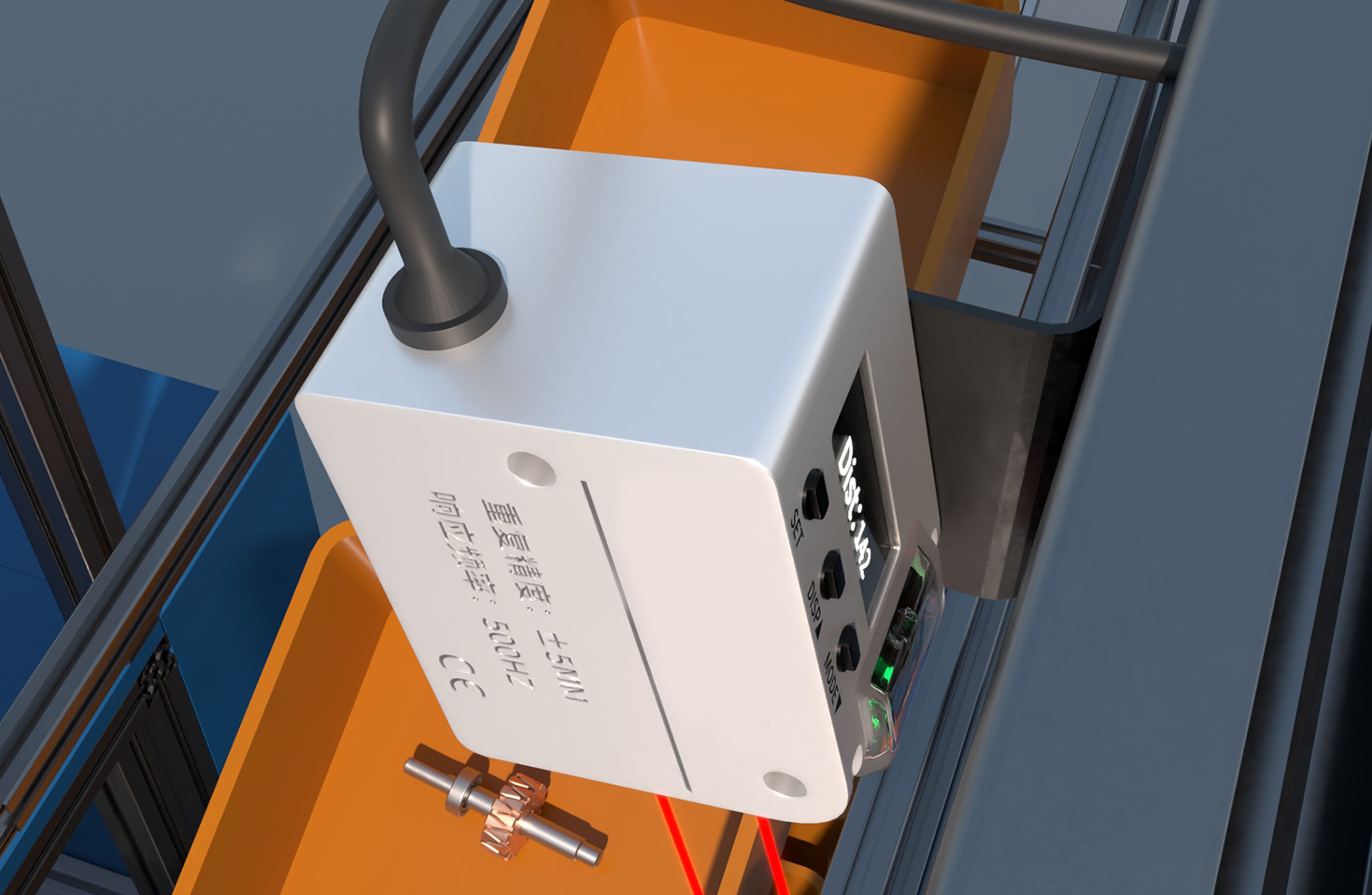
The healthcare sector benefits from laser sensor guidance as well. In surgical robotics, lasers assist in minimally invasive procedures by providing precise imaging and tracking. Surgeons can manipulate instruments with enhanced control, reducing tissue damage and improving patient outcomes. Additionally, laser-guided systems are used in diagnostic equipment, such as scanners for medical imaging, offering faster and more accurate results.
Despite its advantages, implementing laser sensor guidance requires careful consideration. Factors like environmental interference (e.g., dust, humidity, or ambient light) can affect sensor performance. Advanced systems incorporate filtering algorithms and adaptive calibration to mitigate these issues. Moreover, the initial investment in laser technology may be higher than conventional methods, but long-term gains in efficiency, accuracy, and cost savings often justify the expense.
Looking ahead, innovations in laser sensor guidance are expected to drive further automation. Integration with artificial intelligence and machine learning will enable smarter, self-optimizing systems. For instance, AI-powered lasers could predict maintenance needs or adapt to changing conditions autonomously. As industries embrace Industry 4.0, laser guidance will remain a cornerstone of intelligent automation, fostering innovation in sectors from agriculture to aerospace.
In summary, laser sensor guidance is a transformative technology that enhances precision, safety, and efficiency across diverse applications. By leveraging light-based detection, it empowers automated systems to operate with unprecedented accuracy, paving the way for a more connected and automated future.