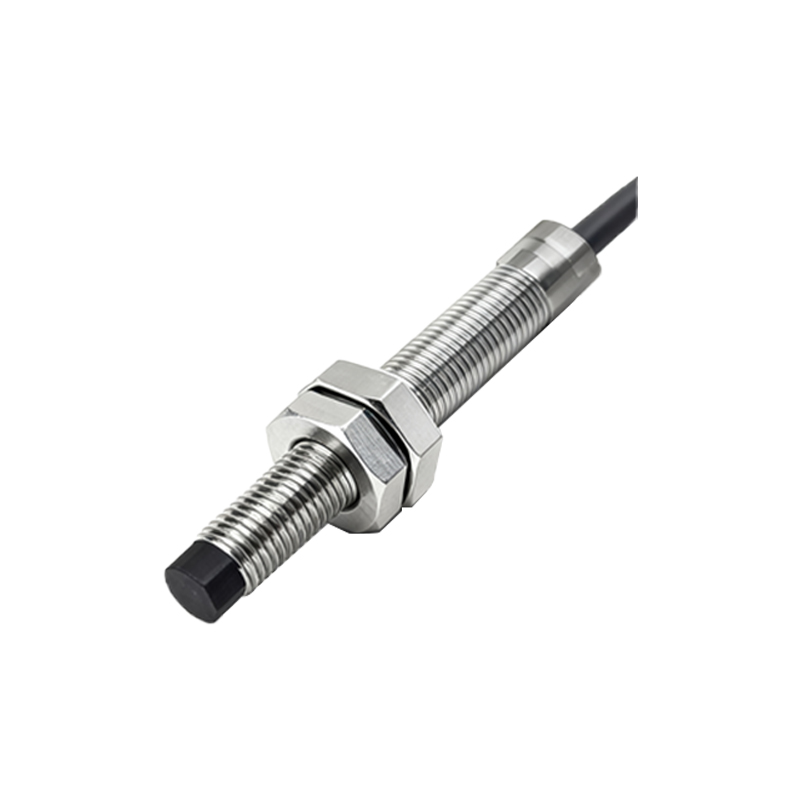
Proximity sensors are a cornerstone of modern automation, enabling machines to detect the presence or absence of objects without physical contact. This non-contact detection capability is crucial for enhancing efficiency, safety, and reliability across countless industries. The term "proximity sensor" encompasses a diverse family of devices, each operating on distinct physical principles and suited to specific applications. Understanding the different types is key to selecting the right sensor for any given task.
One of the most common and widely used types is the Inductive Proximity Sensor. These sensors generate an electromagnetic field. When a metallic object enters this field, it induces eddy currents within the target, causing a change in the sensor's oscillation amplitude. This change is detected, triggering an output signal. Inductive sensors are exceptionally robust, resistant to dirt, dust, and moisture, and are ideal for detecting ferrous and non-ferrous metals. Typical applications include position sensing in machine tools, counting metal parts on conveyor belts, and detecting the closure of metal doors or hatches. Their limitation is clear: they only detect metals.
For detecting non-metallic objects, Capacitive Proximity Sensors are the go-to choice. They function similarly to inductive sensors but utilize a capacitive field instead of an electromagnetic one. The sensor and the target act as two plates of a capacitor. When any object with a dielectric constant different from air (such as wood, plastic, glass, liquids, or even granular materials) enters the sensing field, it alters the capacitance, triggering detection. This makes them versatile for tasks like liquid level detection in tanks, monitoring fill levels of plastic bottles, or sensing the presence of paper or wood products. They can be sensitive to environmental factors like humidity.
Ultrasonic Proximity Sensors operate by emitting high-frequency sound waves (ultrasound) and evaluating the reflected signal. They measure the time delay between the emitted pulse and the received echo to calculate the distance to an object. This principle allows them to detect virtually any material, regardless of color, transparency, or surface texture, as long as it reflects sound adequately. They are excellent for distance measurement, object presence detection in challenging environments (like dusty areas), and level sensing of bulk solids or opaque liquids. However, their performance can be affected by temperature variations, wind, and highly absorbent surfaces.
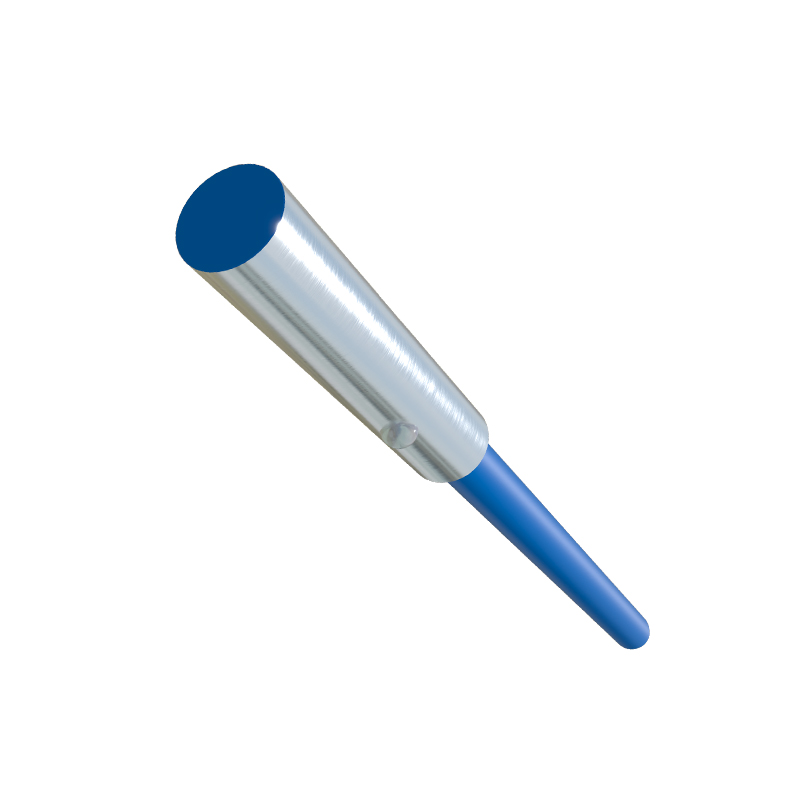
Photoelectric Sensors use light to detect objects. They consist of a light emitter (usually an LED) and a receiver. There are three main configurations. Through-beam sensors have separate emitter and receiver units; an object is detected when it breaks the light beam, offering long sensing ranges and high reliability. Retro-reflective sensors use a single unit and a reflector; detection occurs when the beam to the reflector is interrupted. Diffuse reflective sensors have the emitter and receiver in one housing and detect objects by the light reflected directly off the target's surface. Photoelectric sensors can detect a vast range of materials and are perfect for long-range detection, small part sensing, and transparent object detection (using specific polarized filters).
Magnetic Proximity Sensors (often Reed Switches or Hall Effect sensors) detect the presence of a magnetic field, typically from a permanent magnet. Reed switches contain two ferromagnetic reeds sealed in a glass tube; a nearby magnet causes the reeds to attract and close the electrical contact. Hall Effect sensors produce a voltage change when exposed to a magnetic field. These sensors are extremely reliable for detecting the position of moving parts, such as in cylinder position sensing, door/window security systems, and speed sensing in automotive applications. They are simple, cost-effective, and can operate in harsh environments.
Choosing the right proximity sensor depends on several factors: the target material (metal, plastic, liquid), the required sensing distance, the operating environment (temperature, contaminants), the needed output type (digital ON/OFF, analog, IO-Link), and physical size constraints. For instance, an inductive sensor is perfect for a high-speed metal part count on a dirty factory floor, while an ultrasonic sensor would be chosen to monitor the fill level of a gravel silo.
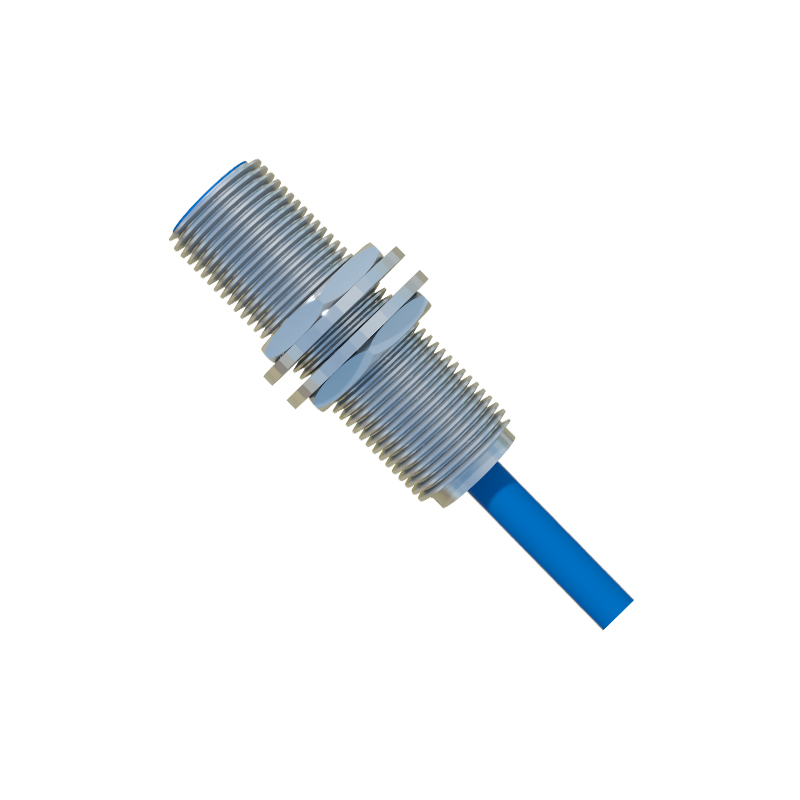
In conclusion, from inductive and capacitive to ultrasonic, photoelectric, and magnetic, each proximity sensor type brings unique capabilities to the table. Their collective role in enabling precise, contactless detection is fundamental to the advancement of industrial automation, robotics, automotive systems, and smart consumer devices, making our machines more intelligent, efficient, and safe.