In the world of industrial automation, robotics, and smart devices, the ability to detect the presence or absence of an object without physical contact is paramount. Among the various technologies enabling this capability, the reflective proximity sensor stands out for its versatility and widespread use. This article delves into the operational principles, key characteristics, common applications, and practical considerations for selecting and implementing these essential electronic components.
At its core, a reflective proximity sensor, often called a diffuse or photoelectric sensor, operates on a simple yet effective principle. It integrates both a light source, typically an infrared LED or laser diode, and a photodetector, such as a phototransistor or photodiode, within a single housing. The emitter projects a beam of light outward. When this beam strikes a suitable object within its detection range, a portion of the light is reflected back towards the sensor. The built-in receiver detects this reflected light. The sensor's internal circuitry then processes this signal, triggering a switch-like output—often a digital ON/OFF signal—indicating the object's presence. The detection distance is influenced by factors like the object's size, color, surface texture, and reflectivity. Light-colored, smooth surfaces reflect more light and can be detected at greater distances compared to dark, matte, or absorbent surfaces.
Several key specifications define a reflective proximity sensor's performance. The sensing range, usually specified in millimeters or centimeters, indicates the maximum reliable detection distance. Response time, measured in milliseconds, determines how quickly the sensor can react to an object entering or leaving its field. Many modern sensors feature adjustable sensitivity, allowing users to fine-tune the detection threshold to ignore background objects or adapt to different target materials. The light source type is another critical factor; infrared sensors are common for their immunity to ambient visible light, while red light or laser versions provide a visible beam for easier alignment and more precise detection points. Furthermore, sensors come with various output types, including NPN/PNP transistors, analog current or voltage (e.g., 4-20mA, 0-10V), and digital communication protocols like IO-Link, offering flexibility for different control systems.
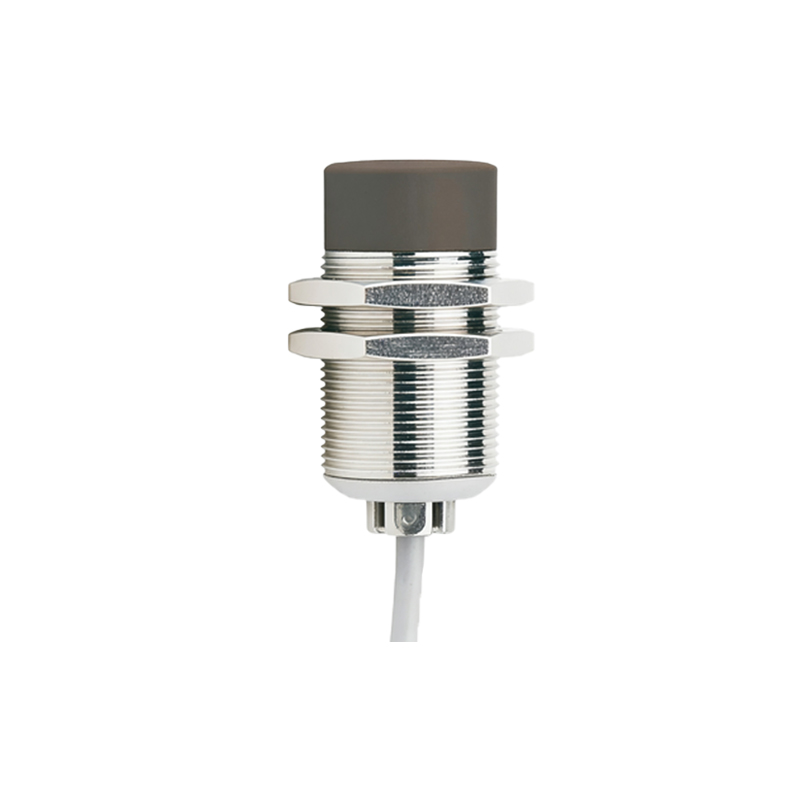
The applications for reflective proximity sensors are vast and cross-industrial boundaries. In manufacturing and packaging lines, they are indispensable for counting products, detecting labels, monitoring fill levels in bottles or containers, and confirming the passage of items on conveyors. Robotics relies on them for object detection, edge finding, and ensuring safe operation within a workspace. In the consumer electronics sector, they enable features like automatic screen dimming in smartphones and laptops when held close to the user's face. They are also found in printers for paper jam detection, in vending machines to confirm product dispensing, and in automated doors for safety beam applications. Their non-contact nature makes them ideal for environments where hygiene is critical, such as food and pharmaceutical processing, or where objects are fragile.
Selecting the right reflective proximity sensor requires careful analysis of the application's needs. First, consider the target object's properties: its color, material, and surface finish. For challenging dark or absorbent targets, a sensor with a high-power emitter or a background suppression feature might be necessary. The required sensing distance and the available space for mounting the sensor are practical constraints. Environmental conditions cannot be overlooked; sensors may need specific ingress protection (IP) ratings for dust and water resistance, specialized housings to withstand washdowns, oils, or chemicals, and robust construction for high-vibration areas. Electrical compatibility with the existing control system (voltage, output type) is fundamental. Finally, for applications involving multiple sensors in close proximity or in areas with high ambient light, choosing models with modulated light signals can prevent crosstalk and interference, ensuring reliable operation.
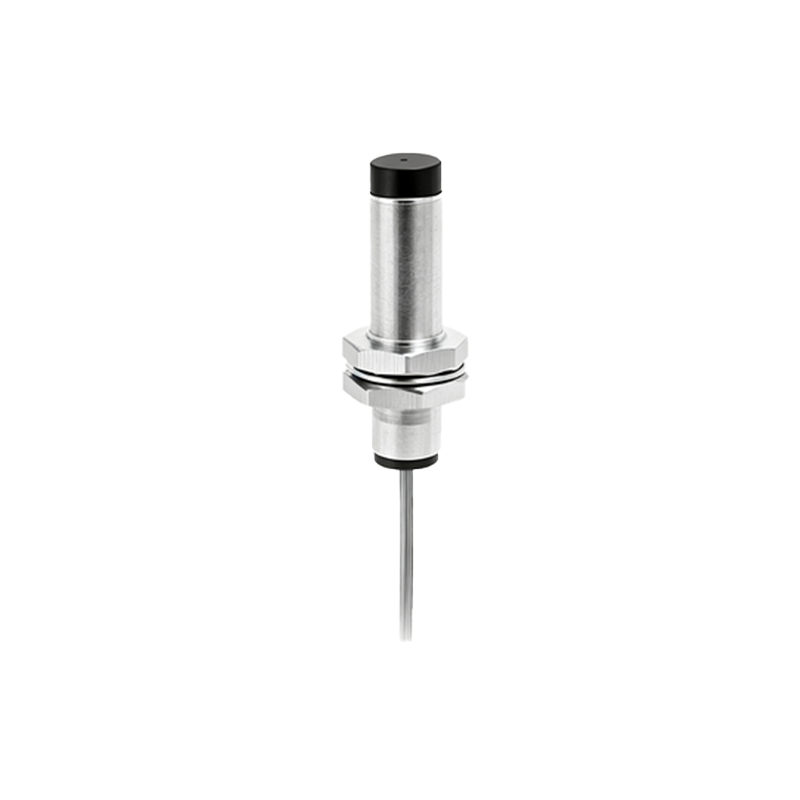
In conclusion, reflective proximity sensors are a fundamental technology for non-contact object detection. Their self-contained design, reliability, and adaptability to diverse materials and environments make them a go-to solution for engineers and designers. By understanding their working principle and carefully matching their specifications to the application's specific demands—target characteristics, environmental conditions, and electrical requirements—one can effectively integrate these sensors to enhance automation, improve safety, and add intelligence to countless systems. As technology advances, these sensors continue to evolve, offering longer ranges, faster response times, and smarter features like integrated diagnostics, solidifying their role as a cornerstone of modern sensing.