1. Introduction: Bridging Digital Twins and Physical Sensing
The metaverse is no longer a concept confined to gaming or social media; it is rapidly transforming industrial sectors. For electrical engineers, the true power of the metaverse lies in its ability to create immersive digital twins of physical systems. At the heart of this transformation are optoelectronic sensors—devices that convert light into electronic signals. These sensors serve as the critical interface between the real world and the virtual replica, enabling real-time data acquisition for machine vision, object detection, and spatial mapping.
2. The Role of Optoelectronic Sensors in Creating Digital Twins
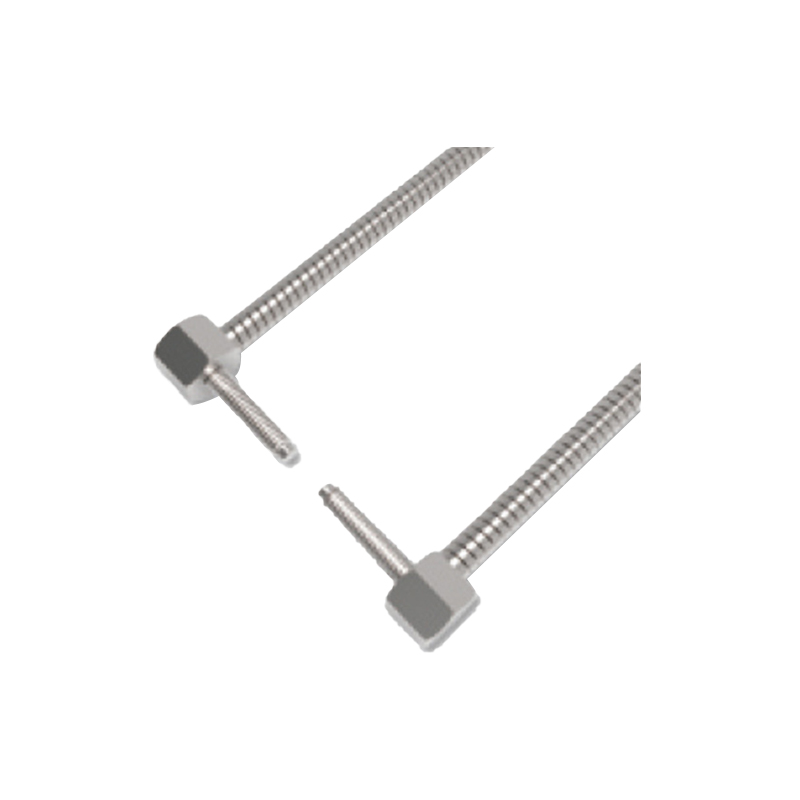
Optoelectronic sensors, such as photodiodes, phototransistors, and laser-based LIDAR units, are essential for capturing high-fidelity environmental data. In a metaverse-driven factory, every physical asset must be mirrored precisely. For instance, a photoelectric sensor measuring conveyor belt speed or a fiber optic sensor detecting temperature fluctuations provides the raw data needed to update the digital twin. This data stream ensures that the virtual model behaves exactly like its physical counterpart, allowing engineers to simulate operational scenarios without risking real equipment.
3. Real-Time Data Fusion for Autonomous Decision-Making
In a smart manufacturing environment, latency is the enemy of efficiency. Optoelectronic sensors offer nanosecond-level response times, making them ideal for real-time data fusion. When combined with edge computing and 5G networks, these sensors feed information directly into the metaverse engine. For example, a photoelectric sensor array can track the position of a robotic arm with sub-millimeter accuracy. The metaverse then processes this data to adjust machine parameters, predict maintenance needs, or reroute AGVs (Automated Guided Vehicles) in response to dynamic floor conditions.
4. Enhancing Human-Machine Interaction through Immersive Feedback
The metaverse also revolutionizes how engineers interact with machinery. Head-mounted displays (HMDs) and haptic gloves are only part of the equation; the underlying sensor layer must be equally advanced. Optoelectronic sensors embedded in wearables can detect hand gestures, eye movements, or even vital signs. When an operator reaches toward a virtual control panel in the metaverse, a corresponding photoelectric sensor in the physical robot arm confirms the action. This closed-loop system reduces human error and accelerates training by allowing workers to practice complex procedures in a risk-free virtual environment.
5. Challenges and Solutions in Sensor-Driven Metaverse Deployments
Despite the promise, integrating optoelectronic sensors with metaverse platforms presents challenges. Environmental factors like dust, ambient light interference, and temperature drift can degrade sensor accuracy. Engineers must select sensors with robust dynamic range and employ advanced signal processing algorithms, such as adaptive thresholding. Additionally, data security is paramount; encrypted communication protocols like TLS 1.3 should be used when transmitting sensor data to the cloud-based metaverse. Standardization of data formats, such as using OPC UA, will also facilitate interoperability between different sensor manufacturers and metaverse providers.
6. Future Outlook: Intelligent Optical Networks and Beyond
The next horizon for optoelectronic sensors in the metaverse involves quantum dot photodetectors and silicon photonics. These technologies will enable sub-picosecond switching speeds and high-density sensor arrays, allowing for hyper-realistic digital twins with billions of data points per second. As AI algorithms become more adept at interpreting optical signals, we can expect sensors to not only capture data but also perform local preprocessing—reducing the bandwidth burden on the metaverse network. Ultimately, the synergy between optics, electronics, and virtual reality will redefine what is possible in industrial automation.
The metaverse is no longer a concept confined to gaming or social media; it is rapidly transforming industrial sectors. For electrical engineers, the true power of the metaverse lies in its ability to create immersive digital twins of physical systems. At the heart of this transformation are optoelectronic sensors—devices that convert light into electronic signals. These sensors serve as the critical interface between the real world and the virtual replica, enabling real-time data acquisition for machine vision, object detection, and spatial mapping.
2. The Role of Optoelectronic Sensors in Creating Digital Twins
Optoelectronic sensors, such as photodiodes, phototransistors, and laser-based LIDAR units, are essential for capturing high-fidelity environmental data. In a metaverse-driven factory, every physical asset must be mirrored precisely. For instance, a photoelectric sensor measuring conveyor belt speed or a fiber optic sensor detecting temperature fluctuations provides the raw data needed to update the digital twin. This data stream ensures that the virtual model behaves exactly like its physical counterpart, allowing engineers to simulate operational scenarios without risking real equipment.
3. Real-Time Data Fusion for Autonomous Decision-Making
In a smart manufacturing environment, latency is the enemy of efficiency. Optoelectronic sensors offer nanosecond-level response times, making them ideal for real-time data fusion. When combined with edge computing and 5G networks, these sensors feed information directly into the metaverse engine. For example, a photoelectric sensor array can track the position of a robotic arm with sub-millimeter accuracy. The metaverse then processes this data to adjust machine parameters, predict maintenance needs, or reroute AGVs (Automated Guided Vehicles) in response to dynamic floor conditions.
4. Enhancing Human-Machine Interaction through Immersive Feedback
The metaverse also revolutionizes how engineers interact with machinery. Head-mounted displays (HMDs) and haptic gloves are only part of the equation; the underlying sensor layer must be equally advanced. Optoelectronic sensors embedded in wearables can detect hand gestures, eye movements, or even vital signs. When an operator reaches toward a virtual control panel in the metaverse, a corresponding photoelectric sensor in the physical robot arm confirms the action. This closed-loop system reduces human error and accelerates training by allowing workers to practice complex procedures in a risk-free virtual environment.
5. Challenges and Solutions in Sensor-Driven Metaverse Deployments
Despite the promise, integrating optoelectronic sensors with metaverse platforms presents challenges. Environmental factors like dust, ambient light interference, and temperature drift can degrade sensor accuracy. Engineers must select sensors with robust dynamic range and employ advanced signal processing algorithms, such as adaptive thresholding. Additionally, data security is paramount; encrypted communication protocols like TLS 1.3 should be used when transmitting sensor data to the cloud-based metaverse. Standardization of data formats, such as using OPC UA, will also facilitate interoperability between different sensor manufacturers and metaverse providers.
6. Future Outlook: Intelligent Optical Networks and Beyond
The next horizon for optoelectronic sensors in the metaverse involves quantum dot photodetectors and silicon photonics. These technologies will enable sub-picosecond switching speeds and high-density sensor arrays, allowing for hyper-realistic digital twins with billions of data points per second. As AI algorithms become more