Understanding the Importance of Factory Address Verification
As a senior electrical engineer in the automation industry, I often emphasize that verifying the physical address of a photoelectric sensor manufacturer is a critical step in supply chain reliability. For Xingyi, a key industrial hub in Guizhou province, China, knowing the exact factory location ensures you can assess production capacity, quality control processes, and logistical efficiency. Many engineering teams overlook this, leading to delays or mismatched specifications. Always cross-reference the address with official business registrations and request a site visit if possible.
Analyzing Xingyi’s Industrial Zones for Sensor Production
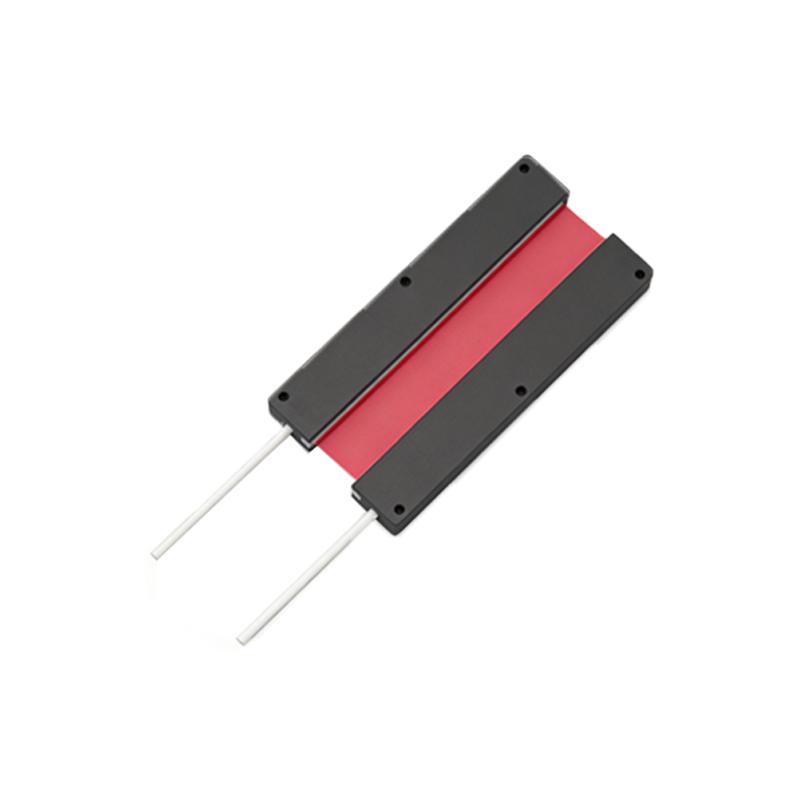
Xingyi’s photoelectric sensor manufacturers are primarily clustered in the Xingyi Economic Development Zone and the Wanfenglin Industrial Park. These zones are strategically positioned near major highways and the Nanning-Kunming railway, facilitating rapid distribution. For instance, a leading sensor firm located at No. 88, Industrial Avenue, Xingyi Economic Development Zone, specializes in diffuse and retro-reflective sensors. Engineers should note that local factories often adhere to ISO 9001 standards, but address verification helps confirm their compliance with international electrical safety norms like IEC 60947-5-2.
Key Addresses and Their Operational Context
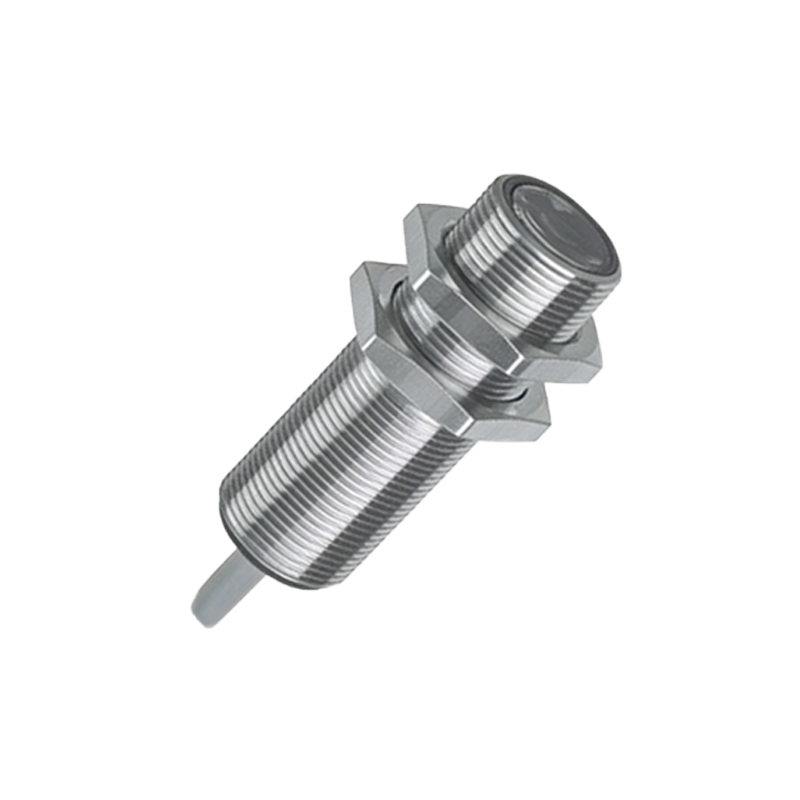
One prominent manufacturer is based at Block B, No. 25, Science and Technology Road, Xingyi. This facility focuses on compact photoelectric sensors for conveyor systems. Another key address is No. 12, Innovation East Road, within the Wanfenglin Industrial Park, producing high-precision through-beam sensors. When contacting these sites, request a detailed factory map and production floor layout. This not only confirms the address but also reveals the scale of their cleanroom and calibration labs, which are vital for sensors with response times under 1 millisecond.
Logistics and Lead Time Considerations from Factory Locations
The proximity of Xingyi sensor factories to the Xingyi Wanfenglin Airport and the local freight railway station directly impacts lead times. For example, a factory at No. 56, Logistics Boulevard, boasts a 24-hour turnaround for samples to Shenzhen. As an engineer, I recommend using the factory address to calculate shipping costs and customs clearance times. A well-located manufacturer can reduce your project’s time-to-market by up to 15%, especially when dealing with custom sensor arrays for harsh industrial environments.
Practical Steps for Verifying Xingyi Factory Addresses
To ensure accuracy, use a combination of tools: Google Maps for visual confirmation, local business directories like Tianyancha, and direct phone calls to the provided number. Cross-reference the address with the manufacturer’s export license. For example, if the address lists a factory building number, request a photo of the building facade. Also, ask for the nearest landmark, such as the Xingyi Municipal Government building. This due diligence prevents ordering from a reseller rather than the actual OEM.
Conclusion: Integrating Address Data into Your Procurement Strategy
In summary, the factory address of a Xingyi photoelectric sensor manufacturer is not just a location—it’s a data point for quality assurance, logistics optimization, and compliance. Always include address verification in your initial supplier audit. By doing so, you align with best practices in electrical engineering procurement, ensuring that the sensors you source meet both performance and reliability standards for complex automation systems.