Understanding the Market for Photoelectric Sensors
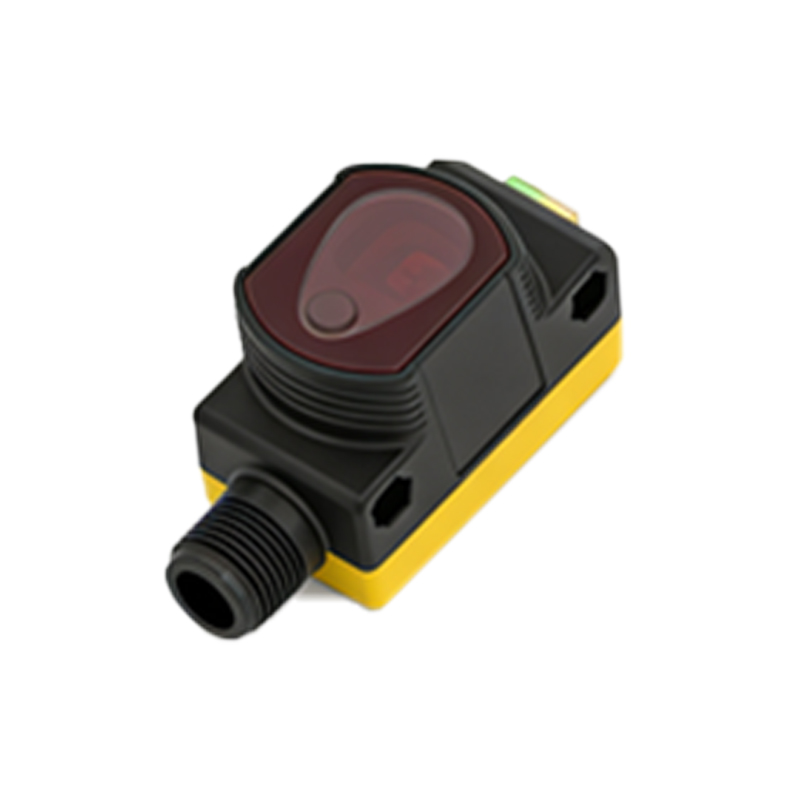
Photoelectric sensors are essential components in modern industrial automation, used for object detection, distance measurement, and quality control. As an electrical engineer with over 15 years of experience, I often get asked: which stores or suppliers can provide reliable photoelectric sensors? The answer depends on your specific needs, including sensor type (through-beam, retro-reflective, or diffuse), output signal (PNP, NPN, analog), and environmental requirements. This guide will help you navigate the key channels for sourcing these devices.
Specialized Industrial Distributors
The most reliable source for photoelectric sensors is specialized industrial distributors like McMaster-Carr, Grainger, and MSC Industrial Supply. These stores offer a vast inventory from top manufacturers such as Banner Engineering, SICK, Omron, and Keyence. Their advantage lies in technical support: you can consult with engineers who understand parameters like sensing range, response time, and IP ratings. For example, McMaster-Carr’s online catalog allows filtering by sensor type, supply voltage, and connection style, ensuring you find the exact model for conveyor systems or packaging lines. These distributors also provide datasheets, CAD models, and quick shipping, making them ideal for urgent repairs or new installations.
Online Electronics Retailers
For smaller quantities or prototyping, online retailers like Digi-Key, Mouser, and Newark offer photoelectric sensors with competitive pricing. These platforms are excellent for engineers who need specific components for R&D. They stock brands like Panasonic, Autonics, and Vishay, and their search tools let you filter by sensing distance, output type, and housing material. However, note that these sellers focus on electronic components, not full automation systems, so you may need to purchase connectors or mounting brackets separately. Shipping is typically fast, but check stock levels, as some specialized sensors may have lead times.
Manufacturer Direct Sales
When you need customized solutions or bulk pricing, buying directly from manufacturers like SICK, Omron, or Balluff is the best approach. These companies have dedicated sales teams that can help design sensor arrays for complex applications, such as high-speed sorting or harsh environments. Direct purchases often include warranties, calibration services, and access to proprietary software for configuration. For large-scale projects, manufacturers may also offer field application engineers to assist with installation. The downside is that minimum order quantities may apply, and lead times can be longer for non-standard products.
Automation Integrators and Local Suppliers
For turnkey solutions, consider automation integrators like Rockwell Automation or regional industrial suppliers. These entities not only sell sensors but also integrate them into PLC-based control systems. They can recommend the most cost-effective photoelectric sensor for your assembly line or warehouse, factoring in ambient light, dust, and vibration. Local electrical supply houses are also valuable; they often stock common models from Allen-Bradley and Schneider Electric, and can provide same-day pickup. Building relationships with these suppliers ensures you get support during installation and troubleshooting.
Online Marketplaces and Auction Sites
For budget-conscious projects, platforms like eBay, Amazon Business, and Alibaba offer used or surplus photoelectric sensors. While prices can be 30-50% lower than retail, caution is needed: verify seller ratings, check for counterfeit products, and ensure the sensor’s specifications match your requirements. Used sensors from reputable brands like Pepperl+Fuchs or IFM can work well for non-critical applications, but avoid these for safety-rated systems. Auction sites like GovDeals also list surplus from industrial liquidations, though condition cannot always be guaranteed.
Key Considerations When Choosing a Supplier
Before purchasing, evaluate the store’s return policy, technical documentation, and availability of spare parts. For example, if you need a photoelectric sensor with a 5-meter sensing range and IO-Link communication, confirm that the supplier stocks that exact model. Also, consider shipping costs and lead times, especially for international orders. As a rule of thumb, use specialized distributors for reliability, online retailers for flexibility, and manufacturers for customization. Always request a datasheet and verify the sensor’s ambient temperature rating and ingress protection level.