In the intricate dance of modern automation and smart technology, there exists a class of components so small, so precise, and so vital that they often go unnoticed. These are micro proximity sensors, the silent sentinels that detect the presence or absence of objects without any physical contact. Their operation is a marvel of engineering, enabling countless applications that define efficiency, safety, and intelligence in today's industrial and consumer landscapes.
At their core, micro proximity sensors function by emitting an electromagnetic field or a beam of radiation, often infrared light. When an object enters this field, it causes a detectable change—a shift in capacitance, a disruption in an inductive field, or a reflection of light. This change is then converted into an electrical signal that triggers a predetermined action. The key advantage is the complete lack of mechanical contact, which translates to virtually no wear and tear, exceptional reliability, and the ability to detect even the most fragile or sensitive objects.
The technological diversity within this category is broad. Inductive sensors are the workhorses for detecting metallic objects, commonly found on factory floors for tasks like counting metal parts or confirming the position of a robotic arm. Capacitive sensors, on the other hand, can detect a wider range of materials, including liquids, plastics, and wood, making them ideal for level detection in tanks or presence sensing on packaging lines. Photoelectric sensors use light beams and are champions of long-range detection, while ultrasonic sensors employ sound waves, excelling in challenging environments with dust, smoke, or varying colors.
The "micro" aspect is where significant innovation thrives. Advancements in micro-electromechanical systems (MEMS) and semiconductor fabrication have led to sensors that are incredibly small, power-efficient, and cost-effective. This miniaturization allows for their integration into spaces previously deemed impossible. Imagine them embedded within the slim bezels of smartphones to disable the touchscreen when held to the ear, or nestled inside compact medical devices to ensure precise dosage delivery. In advanced robotics, these tiny sensors provide the essential feedback for delicate manipulation, allowing a robotic gripper to "feel" an object's presence and adjust its force accordingly.
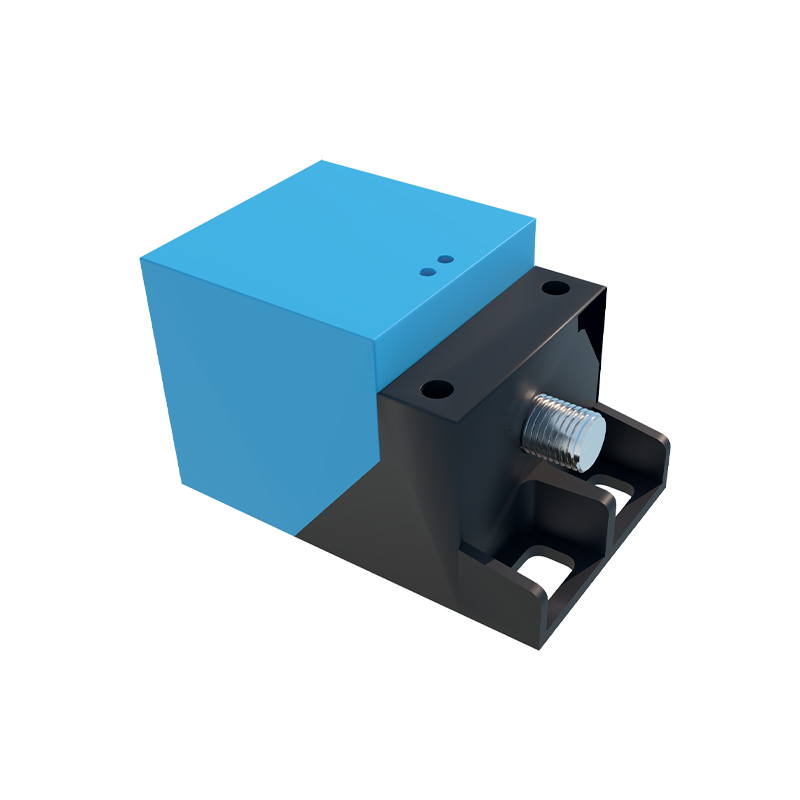
The application spectrum is vast and growing. In industrial automation, they are indispensable for position verification, end-of-travel detection, and jam prevention on high-speed assembly lines. The automotive industry relies on them for seat occupancy detection, gear position sensing, and in safety systems. Consumer electronics use them for touchless interfaces, screen management, and battery conservation. Even the burgeoning field of the Internet of Things (IoT) leverages micro proximity sensors to add a layer of contextual awareness to devices, enabling smarter, more responsive environments.
Selecting the right micro proximity sensor requires careful consideration of several factors. The sensing range, typically from a few millimeters to several centimeters, must match the application. The target material dictates the sensor type—inductive for metals, capacitive or photoelectric for non-metals. Environmental conditions like temperature extremes, moisture, or chemical exposure demand sensors with appropriate ingress protection (IP) ratings. Furthermore, output configuration (digital or analog) and housing design are critical for seamless integration into existing control systems.
Looking ahead, the trajectory for micro proximity sensors points toward even greater intelligence and integration. The convergence of sensing and computing is leading to "smart sensors" with built-in diagnostics, IO-Link communication for parameterization and data exchange, and enhanced resistance to electromagnetic interference. As industries push for more miniaturized and interconnected systems, these sensors will continue to evolve, becoming even more adaptive and energy-aware.
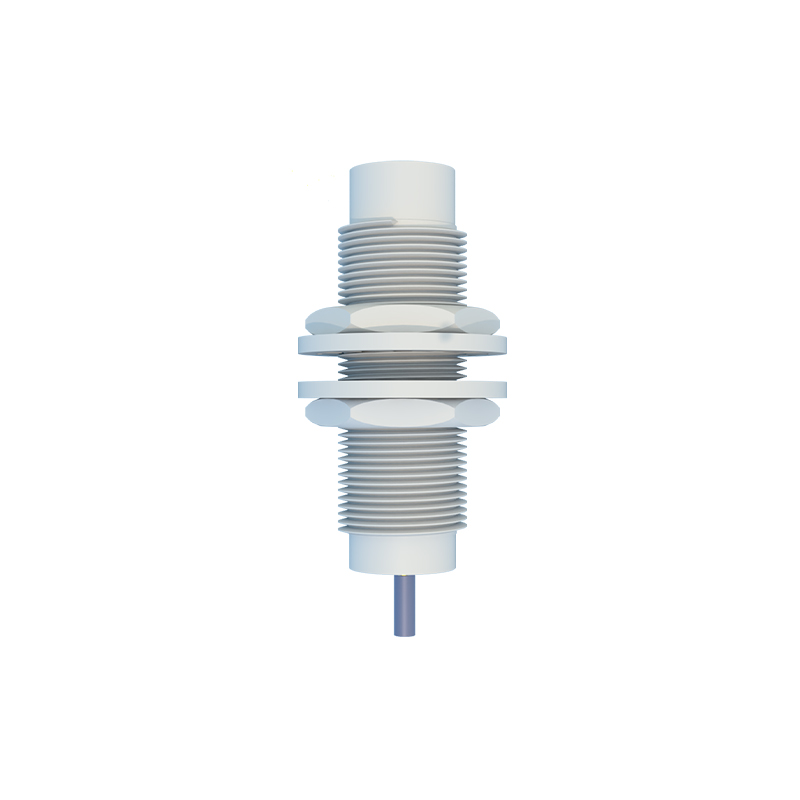
In conclusion, micro proximity sensors are far more than simple switches. They are fundamental enabling technologies that provide the essential data points for automated systems to interact with the physical world intelligently and safely. Their unseen vigilance ensures precision in manufacturing, enhances safety in vehicles, and enables intuitive interactions with our personal devices. As technology marches toward greater autonomy and connectivity, these miniature guardians will undoubtedly remain at the forefront, their silent watch enabling the visible progress of innovation.