Understanding the Repairability of Photoelectric Sensors
As an experienced electrical engineer in the automation industry, I often receive questions about whether photoelectric sensors can be repaired. The short answer is yes, but with significant caveats. Photoelectric sensors are precision devices that detect objects using light beams, typically employing LEDs or laser diodes, photodetectors, and signal processing electronics. While minor issues like dirty lenses or loose connections are field-repairable, major internal failures often require factory-level intervention. For cost-sensitive applications, understanding the failure mode is crucial before deciding to repair or replace.
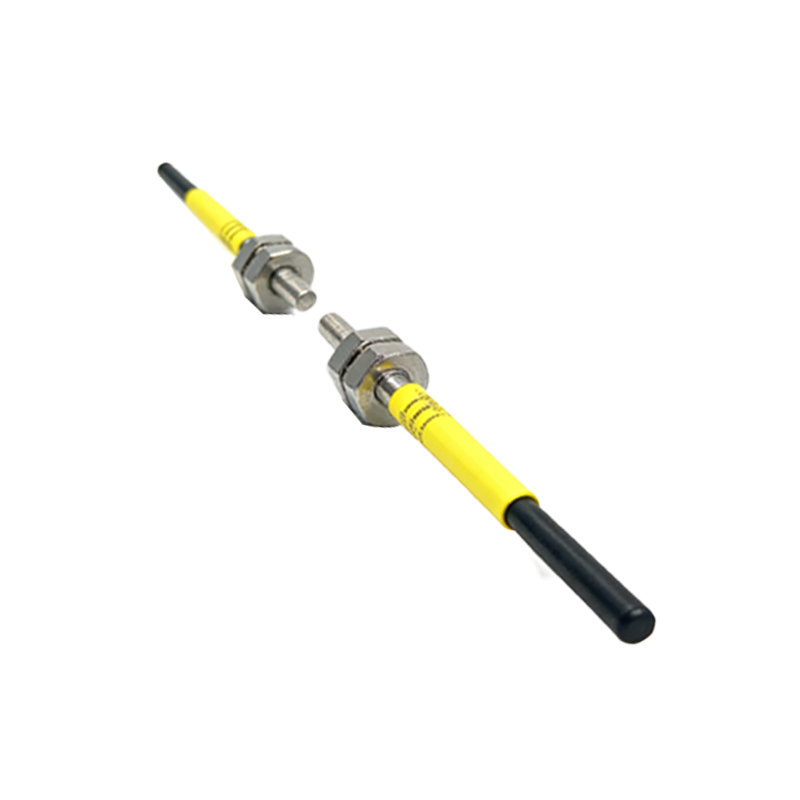
Common Failure Modes and Field Repair Options
Field repairs are feasible for several common problems. First, if the sensor fails due to environmental contaminants like dust, oil, or moisture on the lens, cleaning with isopropyl alcohol and a lint-free cloth can restore functionality. Second, check the cable and connector for physical damage or corrosion; replacing a damaged cable or re-terminating wires is a straightforward fix. Third, verify power supply and wiring. Many false failures stem from voltage drops or loose terminals. However, if the internal electronics are damaged, such as a blown transistor or failed photodiode, field repair is rarely practical due to component miniaturization and potting compounds.
When Repair Is Not Recommended
In most industrial settings, replacing a faulty photoelectric sensor is more economical than repairing it. Modern sensors are often encapsulated in epoxy or resin, making internal component access impossible without destroying the housing. Furthermore, the cost of diagnostics, specialized tools, and replacement parts can exceed the price of a new sensor. For high-precision or safety-rated sensors (e.g., Type 4 safety light curtains), any repair voids certifications and introduces liability risks. Always consult the manufacturer’s guidelines before attempting repairs on critical systems.
Professional Repair Services and Considerations
Some manufacturers, like SICK, Banner, and Omron, offer certified repair programs for expensive or specialized sensors. These services include recalibration, component replacement, and full testing. The process typically involves shipping the sensor to a service center, with turnaround times of 2-4 weeks. This is viable for sensors costing $200+ or those with custom configurations. However, for standard models under $100, replacement is almost always the recommended path. When considering professional repair, evaluate the sensor’s age, availability of spare modules, and the impact on production downtime.
Preventive Maintenance to Extend Sensor Life
To minimize the need for repairs, implement a robust preventive maintenance schedule. Regularly inspect sensor alignment, clean optics with approved solvents, and check for vibration or thermal stress. Use protective housings, such as stainless steel shields or air purge collars, in harsh environments. Monitor current draw and output signals through a PLC to detect early degradation. Many modern sensors also feature diagnostic LEDs or IO-Link communication for proactive fault alerts. By investing in maintenance, you can extend sensor life by 30-50% and reduce unplanned downtime.
Final Recommendations for Engineers
In summary, while photoelectric sensors can be repaired in limited cases, the decision hinges on cost, time, and criticality. For minor issues like contamination or wiring faults, a quick field fix is acceptable. For internal failures, consider professional repair only for high-value units. For all other scenarios, sourcing a replacement from a reliable supplier is the most efficient strategy. Always stock common sensor models in your inventory to minimize production interruptions. As engineers, we must balance technical feasibility with practical economics.