Defining Photoelectric Sensor Conversion Cables
Photoelectric sensor conversion cables are specialized interconnect solutions designed to bridge the gap between sensors and control systems in industrial environments. These cables facilitate the transmission of electrical signals, power, and data, ensuring that photoelectric sensors operate reliably. Unlike standard wiring, conversion cables often feature customized connectors, shielding, and wire gauges to match specific sensor outputs and PLC inputs. Their primary function is to convert signal types or adapt physical interfaces, enabling seamless integration across different automation generations from leading manufacturers like Sick, Banner, and Omron.
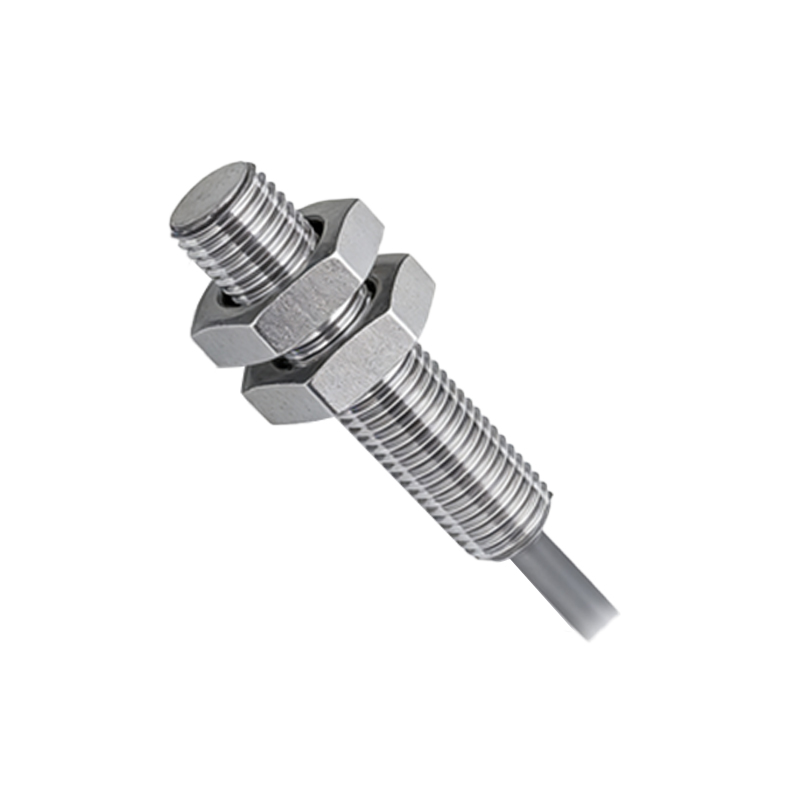
Key Technical Functions and Signal Integrity
The foremost role of these cables is to maintain signal integrity over long distances or in electrically noisy environments. Photoelectric sensors generate analog or digital output signals, including PNP, NPN, or IO-Link protocols. Conversion cables are engineered with twisted-pair conductors and metallic foil shielding to minimize electromagnetic interference (EMI) from motors, drives, or welding equipment. This shielding prevents false triggering or signal attenuation, which is critical for precise object detection, counting, and positioning in high-speed packaging lines or conveyor systems. Without proper conversion cables, signal degradation can lead to production downtime and safety risks.
Interface Adaptation and System Compatibility
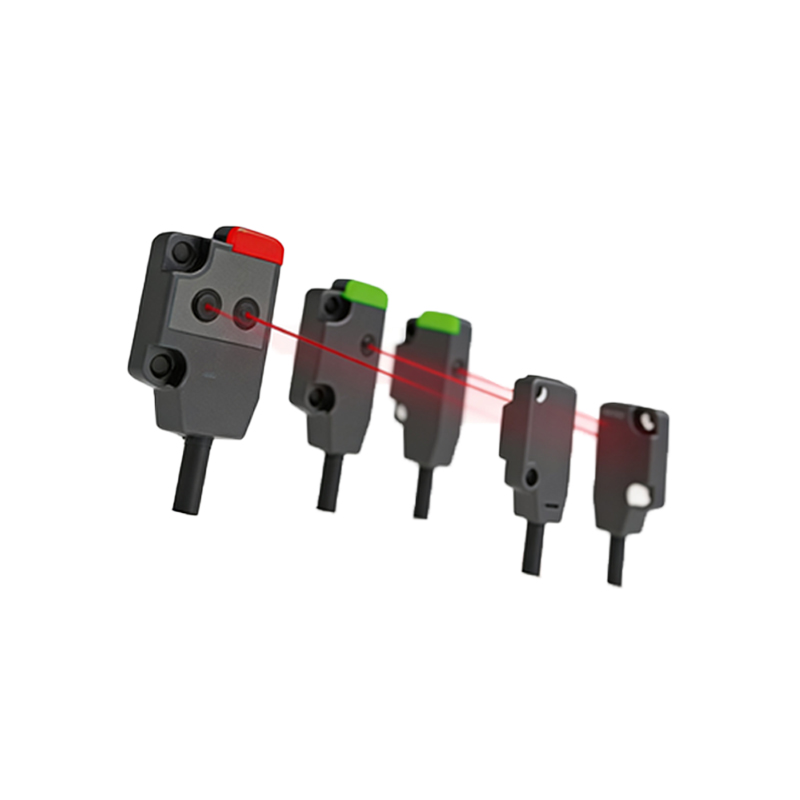
Industrial facilities often have legacy control systems mixed with modern sensors, creating compatibility challenges. Conversion cables solve this by adapting connector types such as M8, M12, or D-sub connectors to match controller ports. Additionally, they can convert voltage levels, for instance, stepping down 24V DC sensor outputs to 5V logic for older PLCs. Some advanced cables incorporate built-in circuit boards for protocol translation, such as converting an analog signal to Modbus RTU. This adaptability reduces the need for complete system overhauls, saving capital expenditure while extending the lifecycle of installed equipment.
Environmental Durability and Safety Compliance
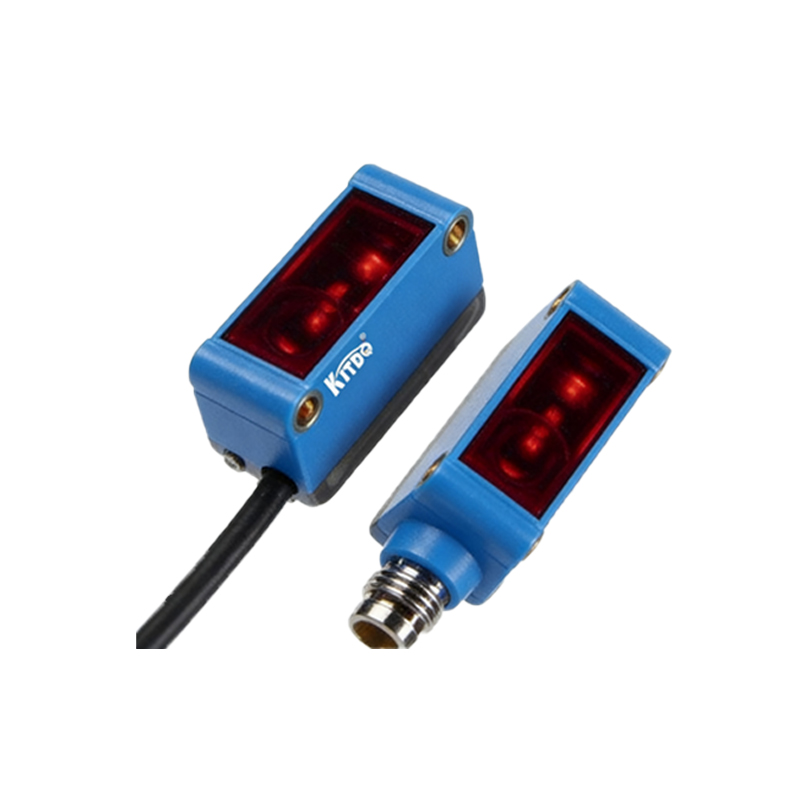
In harsh manufacturing settings, conversion cables must withstand extreme temperatures, moisture, chemical exposure, and mechanical stress. They are typically jacketed with polyurethane (PUR) or PVC and rated IP67 or IP68 for dust and water ingress protection. Strain relief features at connector joints prevent breakage during cable flexing or vibration. Furthermore, these cables comply with UL, CE, and RoHS standards, ensuring fire resistance and low toxicity. By using sensor conversion cables designed for washdown zones or cold storage areas, engineers maintain operational continuity and meet occupational safety regulations.
Installation Best Practices and Troubleshooting
Proper installation of conversion cables is vital for optimal sensor performance. Engineers should verify pin assignments before connection, as miswiring can damage sensors or controllers. Using pre-assembled cables with color-coded leads or labeled connectors simplifies setup. For troubleshooting, a cable tester can check for continuity, short circuits, or insulation breakdown. It is also recommended to avoid routing conversion cables parallel to high-voltage power lines without sufficient separation. When signal issues arise, swapping cables with known good ones can isolate problems quickly, minimizing diagnostic time.
Future Trends and Smart Sensor Integration
As Industry 4.0 advances, conversion cables are evolving to support smart sensor features like self-diagnostics and predictive maintenance data. Newer cables incorporate Ethernet-based protocols such as EtherNet/IP or PROFINET, enabling direct connection to cloud-based monitoring systems. Hybrid cables now combine power and data in a single assembly, reducing wiring complexity. Engineers should anticipate these trends when designing new lines, as investing in modular, future-proof conversion cables will facilitate upgrades without rewiring entire networks. This strategic approach enhances data collection accuracy and overall equipment effectiveness (OEE).