Photoelectric sensors, also known as photo eyes or optical sensors, are critical components in modern automatic door systems. These devices use light beams to detect the presence of objects or people, triggering door opening or closing mechanisms. Unlike mechanical switches or pressure mats, photoelectric sensors offer non-contact detection, ensuring reliability and longevity in high-traffic environments such as airports, hospitals, and retail stores. For electrical engineers, understanding the operational principles and installation requirements of these sensors is essential to optimize system performance.
Operating Principles: Through-Beam vs. Retro-Reflective vs. Diffuse
Three primary types of photoelectric sensors are used in automatic door applications. Through-beam sensors consist of a separate emitter and receiver, providing the longest detection range (up to 30 meters) but requiring precise alignment. Retro-reflective sensors combine emitter and receiver in one housing, using a reflector to bounce the light beam back, offering moderate range (up to 10 meters) and easier installation. Diffuse sensors detect light reflected directly from the target, ideal for short-range applications (under 2 meters) where object color and reflectivity vary. Engineers must select the appropriate type based on door width, environmental conditions, and safety requirements.
Key Technical Specifications for Door Applications
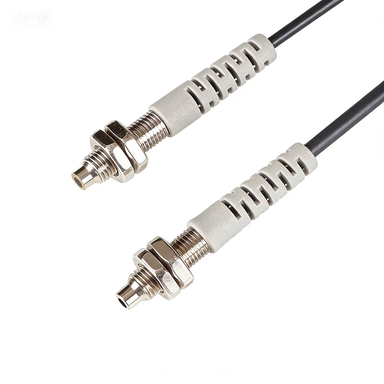
When specifying photoelectric sensors for automatic doors, several parameters are critical. Response time should be below 50 milliseconds to ensure immediate door activation for fast-moving pedestrians. Operating temperature range must cover -20°C to +60°C for outdoor installations. IP67 or higher ingress protection is mandatory for dust and moisture resistance in industrial or outdoor doors. Additionally, sensors must feature adjustable sensitivity to avoid false triggers from rain, snow, or small debris. Engineers should also consider supply voltage compatibility, typically 10-30 VDC, and output type (NPN or PNP) for integration with door controllers.
Installation Best Practices for Reliable Detection
Proper sensor positioning is vital for automatic door performance. For sliding doors, mount sensors at a height of 1.0 to 1.2 meters above the floor to detect both standing and seated individuals. Ensure the detection zone covers the entire door opening width, with a safety margin of 15 cm on each side. Avoid placing sensors near reflective surfaces like glass or polished metal, which can cause false reflections. For through-beam configurations, use vibration-dampening mounts to maintain alignment in windy conditions. Always test sensor alignment with a calibration tool during commissioning to achieve optimal beam intensity.
Safety Standards and Compliance Considerations
Automatic door systems must comply with international safety standards such as EN 16005 (Europe) and ANSI/BHMA A156.10 (North America). Photoelectric sensors used in these systems should have redundant detection zones and fail-safe operation: if a sensor malfunctions or loses power, the door should remain open or close at reduced speed. Engineers must integrate sensors with door controllers that support safety lockout circuits. Additionally, sensors mounted at the door trailing edge require anti-pinch logic to prevent injury. Regular maintenance, including cleaning lens covers and verifying beam intensity, is mandatory every 6 months.
Troubleshooting Common Sensor Issues
Common problems in photoelectric sensor systems include intermittent door activation, which often stems from dirty lenses or misaligned beams. Use a clean microfiber cloth and isopropyl alcohol to remove residue. If the sensor triggers unexpectedly, check for nearby infrared interference from heating systems or other sensors. For retro-reflective models, ensure the reflector surface is not cracked or discolored. Engineers should also verify voltage levels at the sensor terminals: a drop below 10 VDC can cause erratic behavior. Finally, review the controller software for false trigger filtering settings, which may need adjustment in high-glare environments.
Introduction to Photoelectric Sensors in Automatic Doors
Photoelectric sensors, also known as photo eyes or optical sensors, are critical components in modern automatic door systems. These devices use light beams to detect the presence of objects or people, triggering door opening or closing mechanisms. Unlike mechanical switches or pressure mats, photoelectric sensors offer non-contact detection, ensuring reliability and longevity in high-traffic environments such as airports, hospitals, and retail stores. For electrical engineers, understanding the operational principles and installation requirements of these sensors is essential to optimize system performance.
Operating Principles: Through-Beam vs. Retro-Reflective vs. Diffuse
Three primary types of photoelectric sensors are used in automatic door applications. Through-beam sensors consist of a separate emitter and receiver, providing the longest detection range (up to 30 meters) but requiring precise alignment. Retro-reflective sensors combine emitter and receiver in one housing, using a reflector to bounce the light beam back, offering moderate range (up to 10 meters) and easier installation. Diffuse sensors detect light reflected directly from the target, ideal for short-range applications (under 2 meters) where object color and reflectivity vary. Engineers must select the appropriate type based on door width, environmental conditions, and safety requirements.
Key Technical Specifications for Door Applications
When specifying photoelectric sensors for automatic doors, several parameters are critical. Response time should be below 50 milliseconds to ensure immediate door activation for fast-moving pedestrians. Operating temperature range must cover -20°C to +60°C for outdoor installations. IP67 or higher ingress protection is mandatory for dust and moisture resistance in industrial or outdoor doors. Additionally, sensors must feature adjustable sensitivity to avoid false triggers from rain, snow, or small debris. Engineers should also consider supply voltage compatibility, typically 10-30 VDC, and output type (NPN or PNP) for integration with door controllers.
Installation Best Practices for Reliable Detection
Proper sensor positioning is vital for automatic door performance. For sliding doors, mount sensors at a height of 1.0 to 1.2 meters above the floor to detect both standing and seated individuals. Ensure the detection zone covers the entire door opening width, with a safety margin of 15 cm on each side. Avoid placing sensors near reflective surfaces like glass or polished metal, which can cause false reflections. For through-beam configurations, use vibration-dampening mounts to maintain alignment in windy conditions. Always test sensor alignment with a calibration tool during commissioning to achieve optimal beam intensity.
Safety Standards and Compliance Considerations
Automatic door systems must comply with international safety standards such as EN 16005 (Europe) and ANSI/BHMA A156.10 (North America). Photoelectric sensors used in these systems should have redundant detection zones and fail-safe operation: if a sensor malfunctions or loses power, the door should remain open or close at reduced speed. Engineers must integrate sensors with door controllers that support safety lockout circuits. Additionally, sensors mounted at the door trailing edge require anti-pinch logic to prevent injury. Regular maintenance, including cleaning lens covers and verifying beam intensity, is mandatory every 6 months.