In the realm of industrial automation and smart device design, the square proximity sensor has emerged as a fundamental component, prized for its reliability and versatility. Unlike their cylindrical counterparts, these sensors offer a distinct geometric advantage, enabling efficient use of space on printed circuit boards (PCBs) and within compact machinery housings. Their flat, square form factor allows for closer mounting and more flexible integration into modern electronic assemblies.
At its core, a square proximity sensor is a non-contact electronic device that detects the presence or absence of an object within its sensing range. It operates on various principles, with inductive and capacitive being the most prevalent. Inductive square sensors are predominantly used for detecting metallic objects. They generate an electromagnetic field; when a metal target enters this field, it causes a change in the field's oscillation, which the sensor's circuitry detects, triggering an output signal. These are workhorses in manufacturing, used for tasks like counting metal parts, verifying the position of a machine component, or as safety interlocks.
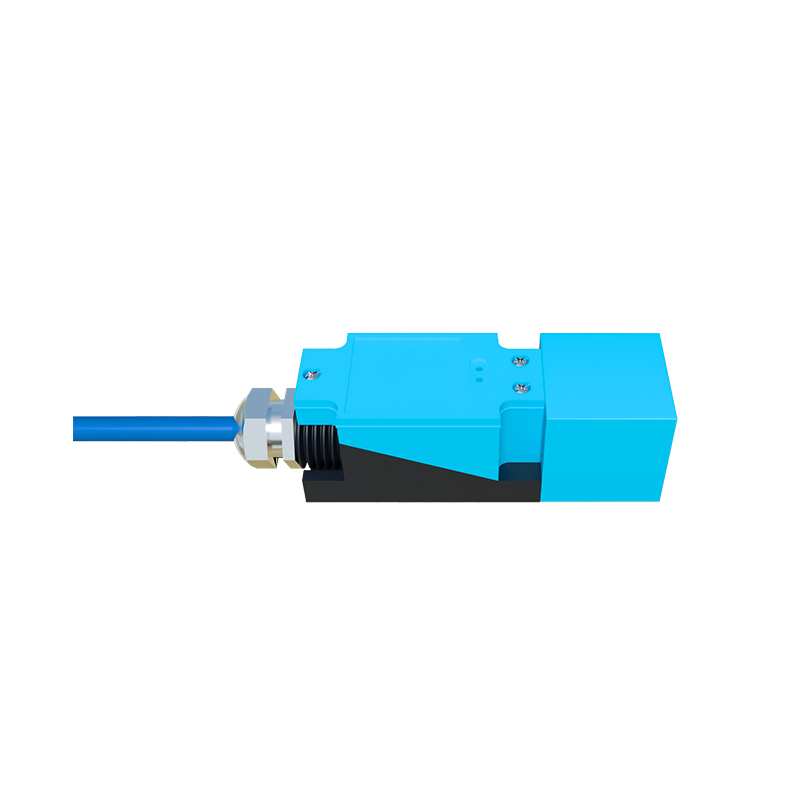
Capacitive square sensors, on the other hand, can detect a wider range of materials, including liquids, plastics, wood, and granular substances. They function by measuring changes in capacitance. The sensor face and the target act as two plates of a capacitor. As the target approaches, the capacitance increases, and once it surpasses a predefined threshold, the sensor activates. This makes them ideal for level detection in tanks, material handling, and touch-sensitive control panels.
The square design is not merely an aesthetic choice. It provides a larger and more uniform sensing surface area compared to a cylindrical sensor of similar volume. This can lead to a more consistent detection field, which is crucial for applications requiring high precision. Furthermore, the flat sides facilitate easier mounting, often using standard brackets or direct PCB soldering, reducing installation time and complexity. Many models feature built-in mounting holes or flanges, enhancing their mechanical stability in high-vibration environments commonly found in industrial settings.
Modern square proximity sensors are engineered for durability. They are typically housed in robust materials like PBT or stainless steel, offering high degrees of ingress protection (IP ratings such as IP67 or IP69K). This makes them resistant to dust, water jets, and even temporary immersion, ensuring reliable operation in harsh conditions—from automotive assembly lines to food and beverage processing plants. Their solid-state design, with no moving mechanical parts, translates to a long operational life with minimal maintenance.
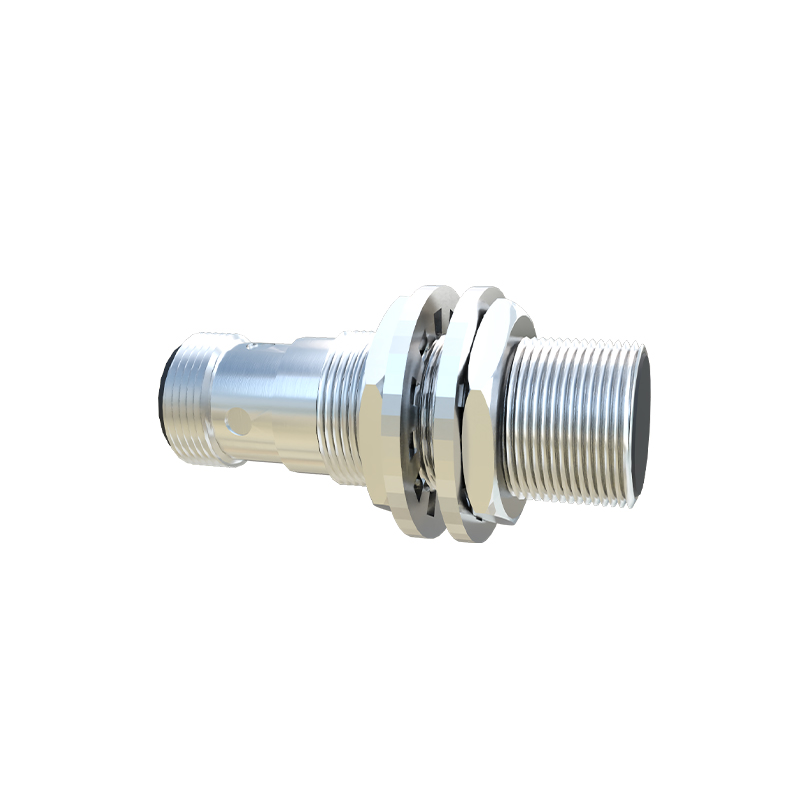
The output signals from these sensors are typically digital, either as a PNP (sourcing) or NPN (sinking) transistor switch, or in more advanced versions, as analog (4-20 mA or 0-10V) or IO-Link digital communication signals. The analog and IO-Link variants provide more than just an on/off state; they can convey information about the distance to the target, allowing for precise positioning control and integration into sophisticated Industry 4.0 data collection systems.
Applications for square proximity sensors are vast and varied. In packaging machinery, they ensure products are correctly positioned for labeling or boxing. In robotics, they provide critical feedback for arm positioning and object detection. Within consumer electronics, miniaturized versions are embedded in devices for features like automatic screen on/off or cover detection. Their square shape is particularly beneficial in tight, linear arrangements, such as in multi-axis positioning systems or along conveyor edges.
When selecting a square proximity sensor, key parameters must be considered: the sensing distance (nominal range), the type of material to be detected, the required output type, the supply voltage, and the environmental conditions (temperature, potential chemical exposure). It is also crucial to account for installation factors; embedding the sensor in metal (for inductive types) or the presence of other sensors nearby can influence its effective sensing range and must be planned for during design.
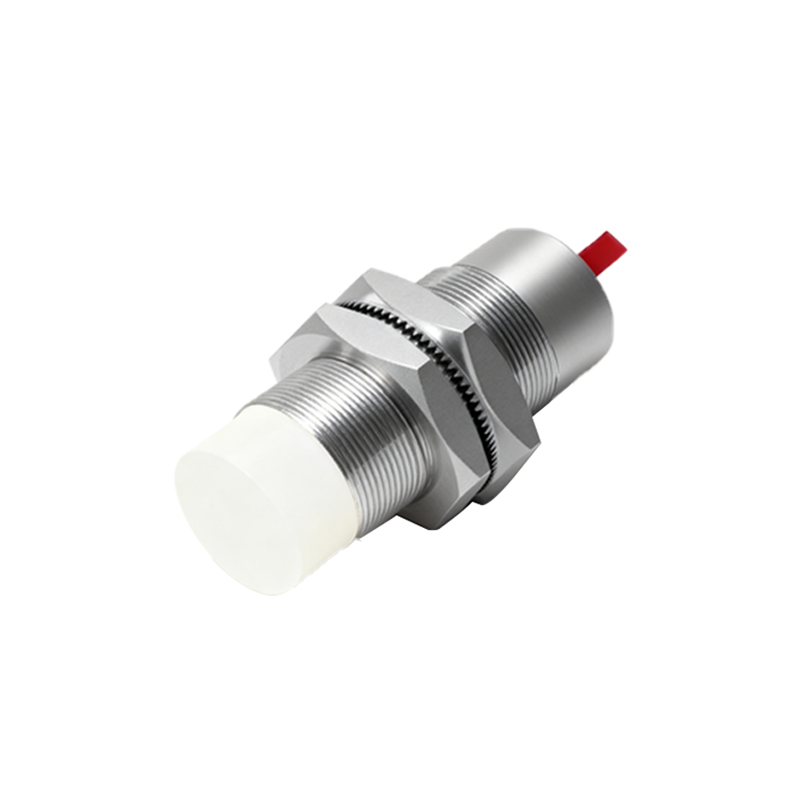
In conclusion, the square proximity sensor represents a perfect fusion of practical design and advanced sensing technology. Its geometric efficiency, combined with robust construction and adaptable functionality, makes it an indispensable tool for engineers seeking to add reliable, non-contact detection to their systems. As automation continues to evolve towards smarter, more connected, and more compact solutions, the role of the versatile square proximity sensor is set to become even more prominent, quietly enabling efficiency and innovation across countless industries.