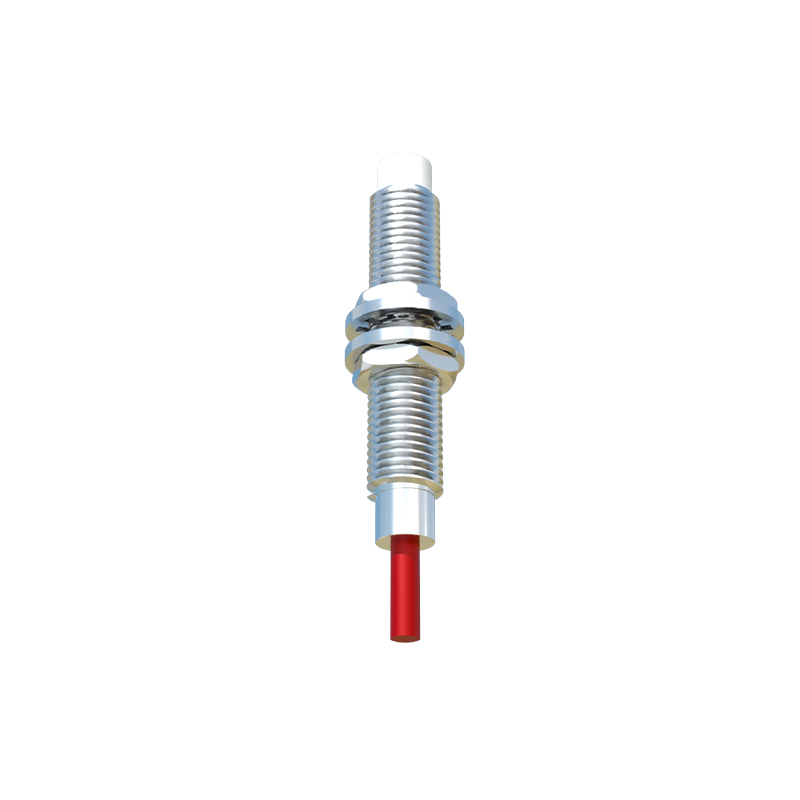
Proximity sensors are fundamental components in modern automation, robotics, and smart systems. A project involving these sensors can range from a simple object detection circuit to a complex industrial automation setup. This guide provides essential information for anyone embarking on a proximity sensor project, covering types, applications, key considerations, and implementation steps.
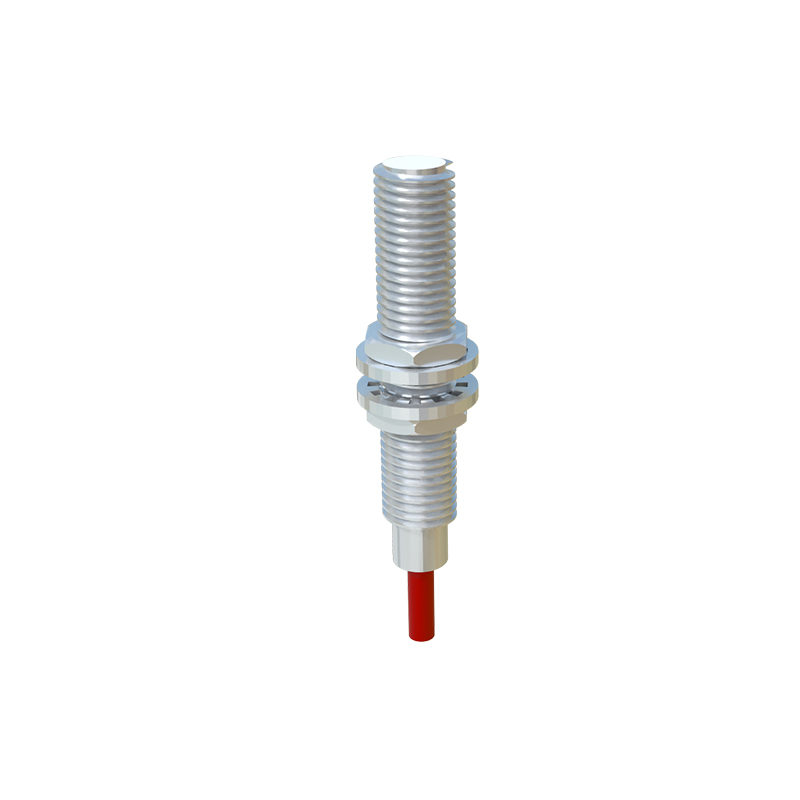
Understanding the core technology is the first step. Proximity sensors detect the presence or absence of an object within a specific range without physical contact. They achieve this by emitting an electromagnetic field, beam, or radiation and looking for changes in the field or return signal. The primary types include Inductive, Capacitive, Ultrasonic, and Optical (Infrared) sensors. Inductive sensors detect metallic objects, making them ideal for manufacturing and automotive applications. Capacitive sensors can detect both metallic and non-metallic materials like liquids, plastics, and wood, useful in level detection and material handling. Ultrasonic sensors use sound waves to measure distance to an object, excellent for harsh environments with dust or moisture. Optical sensors, often using infrared light, are common in consumer electronics and obstacle detection for robots.
Defining the project's objective is crucial. Are you building a touchless faucet, a security alarm, an inventory counter, or an automated guided vehicle (AGV)? The application dictates the sensor choice. For instance, a capacitive sensor is perfect for a liquid level controller, while an inductive sensor is necessary for counting metal parts on a conveyor belt. Key performance parameters must be evaluated: sensing distance (nominal and effective), response time, output type (digital NPN/PNP or analog), and environmental factors like temperature, humidity, and potential interference.
The implementation phase involves hardware integration and signal processing. Typically, a proximity sensor module has three or four wires: power (Vcc), ground (GND), and output signal. Some include a separate wire for analog output or configuration. Connecting these to a microcontroller like an Arduino, Raspberry Pi, or an industrial PLC is standard practice. The digital output provides a simple HIGH/LOW signal indicating object presence. For analog or more complex sensors like ultrasonic types, reading the signal requires specific coding to interpret pulse width or serial data. Reliable wiring and proper shielding are essential to prevent electrical noise from causing false triggers.
Programming forms the brain of the project. For a basic detection system, the code monitors the sensor's output pin. When the state changes, it can trigger an action—activating a relay, turning on an LED, sending a network alert, or incrementing a counter. More advanced projects involve data fusion from multiple sensors, creating safety zones, or implementing logic for complex machinery. Always include debouncing routines in your code to ensure stable readings.
Testing and calibration are non-negotiable steps. Test the sensor with the actual target material at various distances and under different environmental conditions. Calibrate the sensitivity potentiometer (if available) to avoid detecting background objects. For distance-measuring sensors, establish a baseline and map the sensor readings to actual distance units. Document all findings, as this data is invaluable for troubleshooting and optimization.
Finally, consider power management, enclosure design for physical protection, and compliance with any relevant safety or electromagnetic compatibility (EMC) standards, especially for commercial or industrial projects. A well-planned proximity sensor project is reliable, efficient, and serves as a robust building block for larger automated systems. Start with a clear goal, select the appropriate sensor, prototype rigorously, and refine your design through iterative testing.