In industrial automation and machinery design, proximity switch sensors play a critical role in enabling non-contact detection, enhancing safety, and improving operational efficiency. Among the diverse range of products available, the NK series of proximity sensors has garnered significant attention for its reliability and versatility. This guide delves into the core aspects of proximity switch sensors, with a focus on the characteristics and considerations relevant to the NK series, providing a practical resource for engineers and procurement specialists.
Proximity sensors, fundamentally, are devices that detect the presence or absence of an object without physical contact. They achieve this by emitting an electromagnetic field or a beam of electromagnetic radiation and monitoring for changes in the field or return signal. The primary advantages are clear: no mechanical wear on the sensor or target, high switching speeds, and reliable operation in harsh environments involving dust, oil, or moisture. Common types include inductive sensors (for detecting metals), capacitive sensors (for detecting both metals and non-metals like liquids or plastics), and photoelectric sensors.
When evaluating a series like the NK, several technical parameters demand careful scrutiny. Sensing distance, often specified as the nominal range, is paramount. It determines how far from the sensor a target can be reliably detected. Factors like target material, size, and shape can influence the effective sensing range, especially for inductive types. The housing material and design of the NK sensor are equally crucial, as they determine its ingress protection (IP) rating against dust and water, and its resistance to chemicals or mechanical impact. Common materials include nickel-plated brass, stainless steel, or robust plastics like PBT.
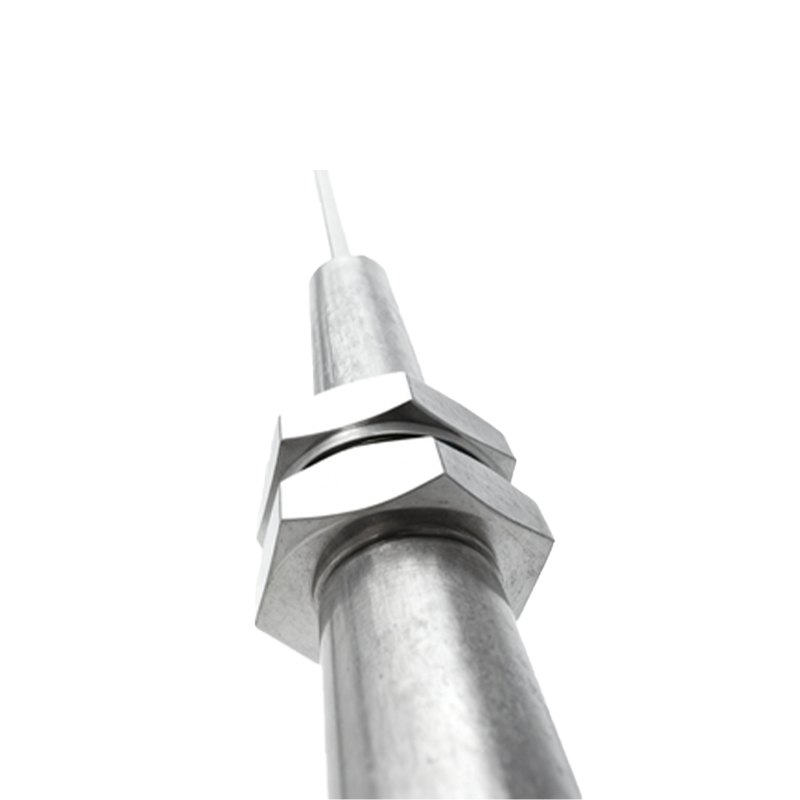
Electrical characteristics form another critical selection block. The operating voltage range (e.g., 10-30V DC) must be compatible with the control system. The output type is a key decision point: NPN (sinking) or PNP (sourcing) transistor outputs are standard for DC sensors, with the choice dependent on the PLC or controller input card configuration. Some NK models may also offer analog outputs (4-20mA, 0-10V) for distance-proportional measurement, or even IO-Link capability for advanced diagnostics and parameterization. The output current rating must be sufficient to drive the connected load, such as a relay coil or PLC input.
Installation and environmental considerations are where practical application knowledge is essential. Many NK series sensors are designed for flush or non-flush mounting. Flush-mountable sensors can be installed embedded in metal without affecting their sensing range, whereas non-flush types offer longer ranges but require clearance around the sensing face. Temperature ratings, both for operation and storage, must align with the application environment, from freezing cold storage to hot manufacturing cells. Resistance to vibration and shock is vital in mobile equipment or high-machinery areas.
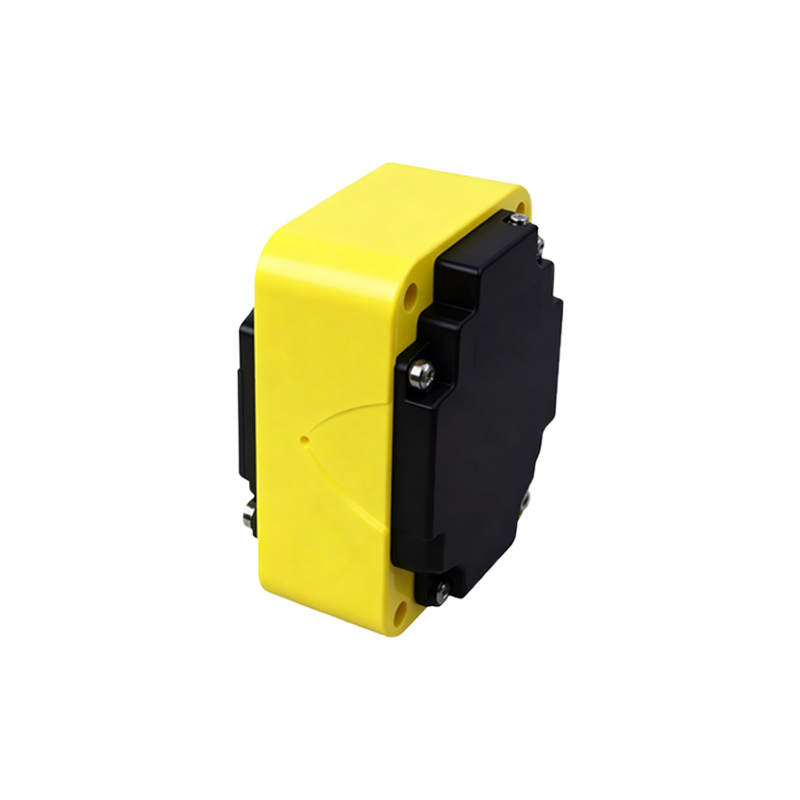
The application spectrum for robust proximity sensors like the NK series is vast. In material handling, they are used for position detection on conveyors, palletizing systems, and automated guided vehicles (AGVs). In machine tools, they serve as limit switches, spindle orientation sensors, or tool presence detectors. Packaging machinery utilizes them for counting, bottle cap detection, and fill level control. In the automotive industry, they are ubiquitous in robotic welding cells, assembly line positioning, and safety door monitoring.
Troubleshooting common issues often involves a methodical approach. If a sensor fails to detect, verify the power supply, check the sensing distance and target alignment, and ensure the target material and size are appropriate for the sensor type. Electrical noise can sometimes cause erratic switching; using shielded cables and ensuring proper grounding can mitigate this. For sensors with LED indicators, the status light provides immediate diagnostic clues about power, output state, and sometimes error conditions.
Looking at trends, the integration of smart features into standard sensor housings is accelerating. An NK series sensor with IO-Link functionality, for instance, can communicate detailed status information—like operating hours, temperature warnings, or signal strength—to a higher-level control system, enabling predictive maintenance. This moves the sensor from a simple switch to a data point in the Industrial Internet of Things (IIoT) ecosystem.
Selecting the right proximity switch sensor, such as a model from the NK series, is not merely a component choice but a decision impacting machine performance, uptime, and safety. By systematically analyzing the application requirements against the sensor's specifications for sensing principle, range, construction, electrical interface, and environmental robustness, engineers can ensure optimal and reliable integration. The continued evolution towards smarter, more connected devices promises to further enhance the value these components deliver across all facets of modern industry.