Selecting the right proximity sensor is a critical decision that impacts the efficiency, reliability, and cost-effectiveness of countless industrial automation, consumer electronics, and automotive applications. With a vast array of technologies and specifications available, navigating the selection process can be daunting. This guide provides a structured approach to proximity sensor selection, focusing on key performance factors and offering practical recommendations for common use cases.
The first and most fundamental step is defining the application requirements. What object needs to be detected? The sensor's performance varies dramatically based on the target material. Inductive proximity sensors are the undisputed choice for detecting all types of metals. Their operation relies on generating an electromagnetic field; the presence of a metallic object within this field induces eddy currents, causing a detectable change. For non-metallic targets—such as plastic, wood, glass, or liquids—capacitive sensors are required. These sensors detect changes in capacitance caused by the presence of any material that alters the dielectric constant near the sensing face. For precise distance measurement or detection of very small objects, photoelectric sensors, which use a light beam, often provide a superior solution.
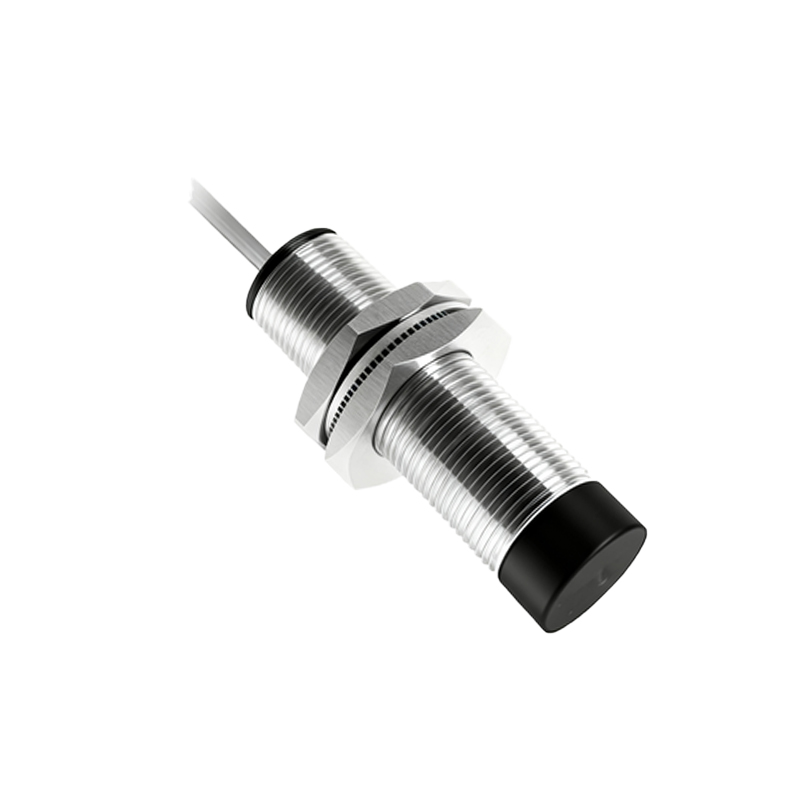
Once the target material dictates the sensor type, the required sensing distance becomes the next crucial parameter. The rated operating distance, or "sn," is specified under ideal conditions (typically a standard mild steel target for inductive sensors). In real-world applications, factors like target size, shape, and material composition affect the actual usable range. A critical rule is to derate the nominal sensing distance. For reliable operation, ensure the target will approach within 70-80% of the sensor's published "sn" value. This safety margin accounts for temperature fluctuations, voltage variations, and manufacturing tolerances. For applications requiring very long ranges, ultrasonic sensors or specialized long-range photoelectric sensors should be considered.
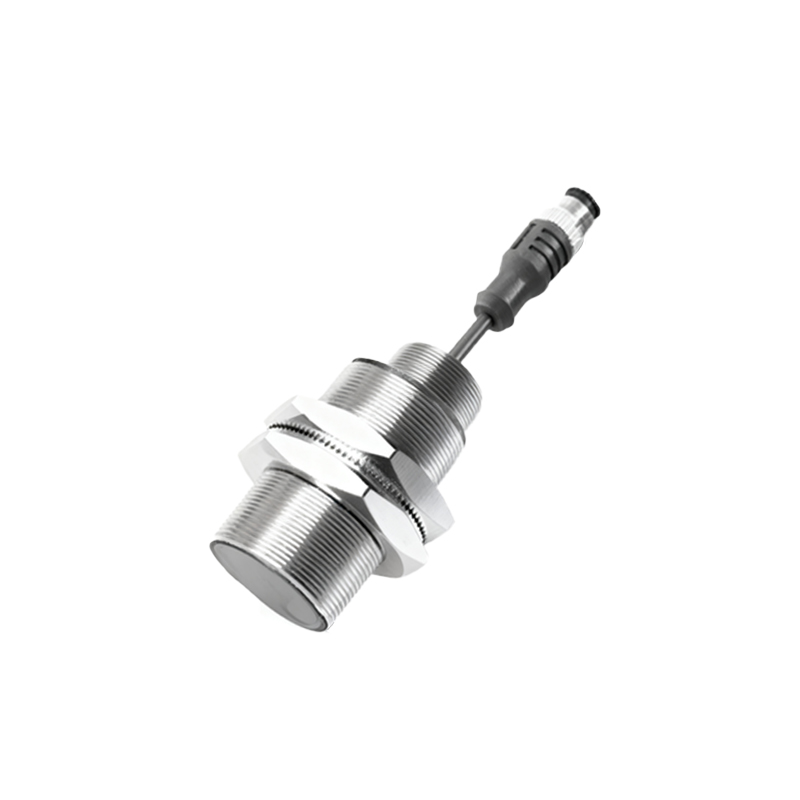
The physical and environmental constraints of the installation site cannot be overlooked. Sensor size and housing style are paramount. Cylindrical threaded barrels (e.g., M8, M12, M18, M30) are common for easy mounting in drilled holes. Rectangular or block-style housings offer flexibility for tight spaces. The housing material, typically nickel-plated brass, stainless steel, or PBT plastic, must be chosen to withstand the environment. Will the sensor face exposure to coolants, oils, or chemical washdowns? An IP67 or IP69K rating is essential for harsh, wet environments. High-temperature applications near ovens or welding stations require sensors specifically rated for continuous exposure to elevated temperatures.
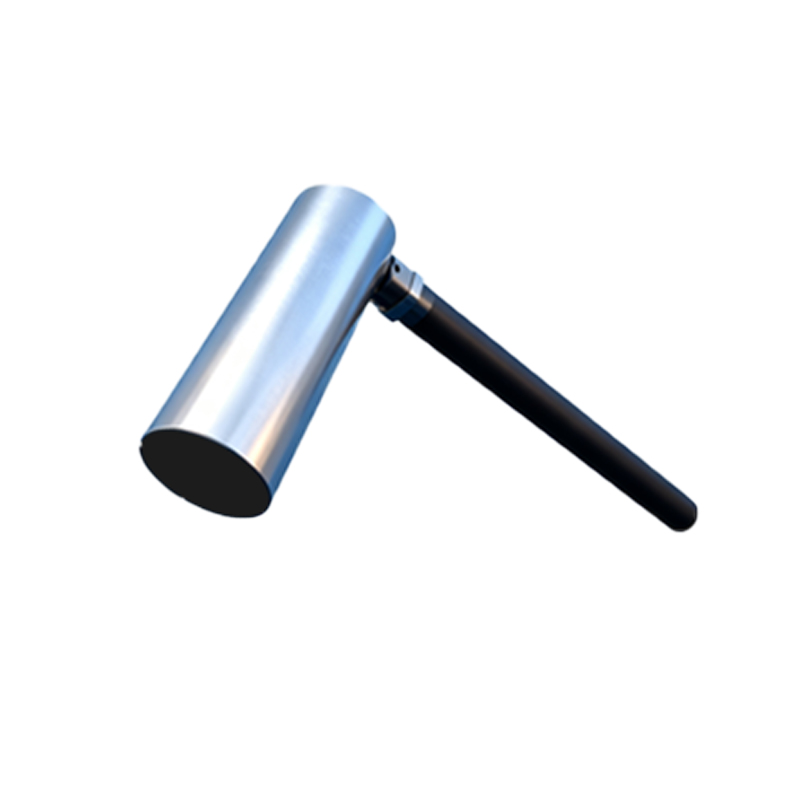
Electrical characteristics must match the control system. The two primary output types are NPN (sinking) and PNP (sourcing). PNP sensors are more common in Europe and many modern PLC systems, providing a positive voltage output when activated. NPN sensors sink current to ground and are prevalent in some regions and older systems. Always verify the controller's input requirements. The output configuration can be normally open (NO) or normally closed (NC). Furthermore, consider if a discrete on/off output is sufficient, or if an analog output (4-20 mA or 0-10 V) is needed for proportional distance measurement. The operating voltage range (commonly 10-30 V DC) must be compatible with the plant's power supply.
For demanding high-speed applications, such as counting gear teeth or detecting parts on a fast conveyor, the sensor's switching frequency is vital. This spec, measured in Hertz (Hz), indicates how many on/off cycles the sensor can handle per second. A standard sensor may switch at 100 Hz, while high-speed models can exceed 5 kHz. Response time, the delay between target detection and output change, is equally important for precision timing.
Finally, consider special features that enhance functionality. Many sensors now incorporate IO-Link communication, a digital point-to-point connection that transmits detailed device data (like operating hours, temperature, or signal strength) to the controller, enabling predictive maintenance and simplified parameter setting. Sensors with built-in short-circuit and overload protection offer increased durability and reduce downtime.
Recommendation Summary:
Detecting Metal Objects in Machinery: A shielded, inductive proximity sensor in an M12 or M18 stainless steel housing with IP67 rating and PNP NO output is a versatile, robust workhorse.
Level Detection of Non-Metallic Materials (Granules, Liquids): A capacitive sensor with adjustable sensitivity is ideal. A flat or rectangular housing aids mounting on bin walls.
Precise Detection of Small Components or Clear Objects: A diffuse-reflective photoelectric sensor with a focused beam provides excellent accuracy for these challenging targets.
Harsh Environments (Food & Beverage, Chemical): Prioritize sensors with full stainless steel housings (316L grade), high IP ratings (IP69K), and polished surfaces for easy cleaning.
By methodically analyzing the