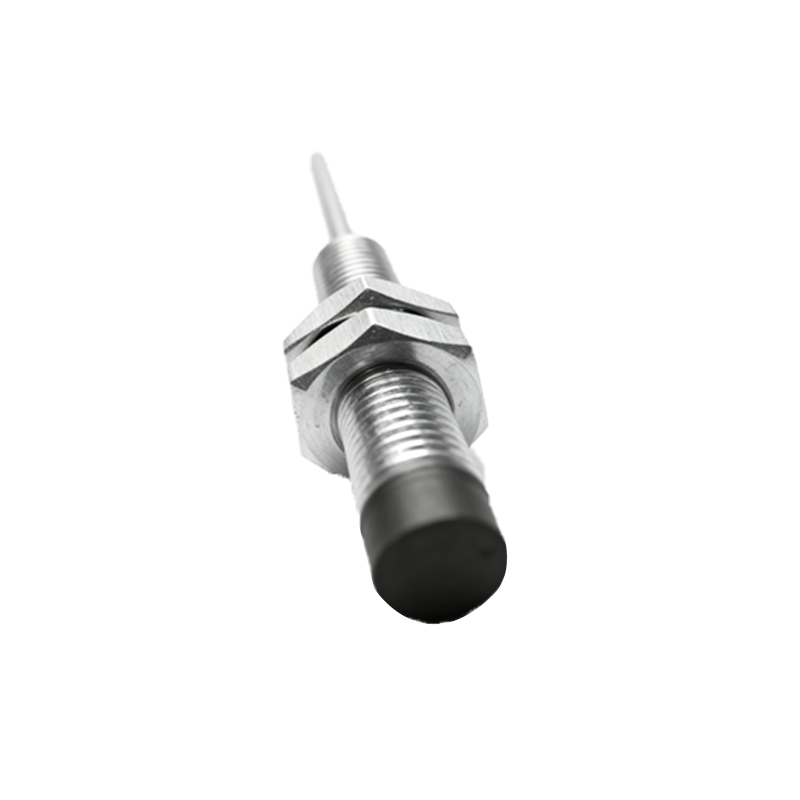
In the world of industrial automation and safety systems, the ability to detect the presence or position of an object without physical contact is paramount. Among the various technologies enabling this, magnetic proximity switches stand out for their reliability, simplicity, and durability. These devices, often referred to as reed switches or magnetic sensors, operate on a fundamental principle of magnetism to provide a clean, contactless switching signal.
At its core, a magnetic proximity switch consists of two primary components: a sensor (or switch unit) and an actuator (a permanent magnet). The sensor typically contains a hermetically sealed glass capsule housing two ferromagnetic reeds. These reed contacts are normally open. When a magnetic field of sufficient strength from the actuator approaches the sensor, the reeds become magnetically attracted to each other, flex, and make contact, thus closing the electrical circuit. When the magnet moves away, the magnetic force diminishes, the reeds spring back to their original position, and the circuit opens. This binary action—open or closed—provides a clear signal for control systems.
The advantages of this technology are significant. First is their non-contact operation, which eliminates mechanical wear and tear, leading to an exceptionally long operational life, often in the range of billions of cycles. They are immune to dust, dirt, oil, and moisture (given proper IP ratings), making them ideal for harsh environments where optical sensors might fail. They require no external power for the basic switching action, though their signal is often integrated with powered control circuits. Their design is typically simple, robust, and cost-effective for many applications.
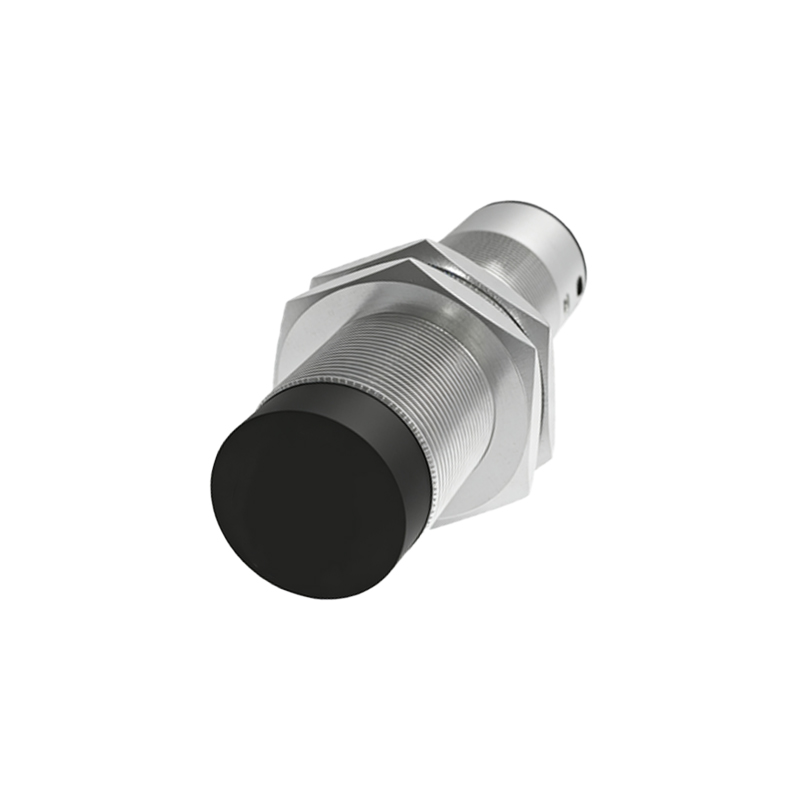
Magnetic proximity switches find utility across a diverse spectrum of industries. A common example is in door and window security systems, where a magnet on the door and a sensor on the frame detect openings. In the automotive sector, they are used to sense the position of brake pedals, gear selectors, and seat belts. Within industrial machinery, they serve as limit switches to detect the end-of-travel position of cylinders, slides, or guards, ensuring machine safety and sequence control. They are also prevalent in consumer electronics, such as in laptops to detect lid closure or in washing machines to monitor door status.
When selecting a magnetic proximity switch for a project, several key parameters must be considered. The operating distance, or sensing range, is critical and depends on the magnet's strength and the sensor's sensitivity. Designers must account for this range with a safety margin. The switch's electrical ratings—voltage, current (AC or DC), and switching capacity—must match the control circuit requirements. Physical characteristics like housing material (often plastic, brass, or stainless steel), size, shape, and Ingress Protection (IP) rating are chosen based on the environmental conditions. The type of electrical output is also crucial; while basic models offer simple Normally Open (NO) contacts, others may provide Normally Closed (NC) or changeover (SPDT) configurations. For more advanced feedback, amplified sensors with transistor (PNP/NPN) or analog outputs are available.
Installation and alignment are straightforward but vital for consistent operation. The sensor and actuator must be mounted securely and aligned correctly within the specified sensing window. Factors like lateral shift, temperature fluctuations (which can affect magnet strength), and the presence of other ferrous metals or strong external magnetic fields must be considered during design to avoid false triggering.
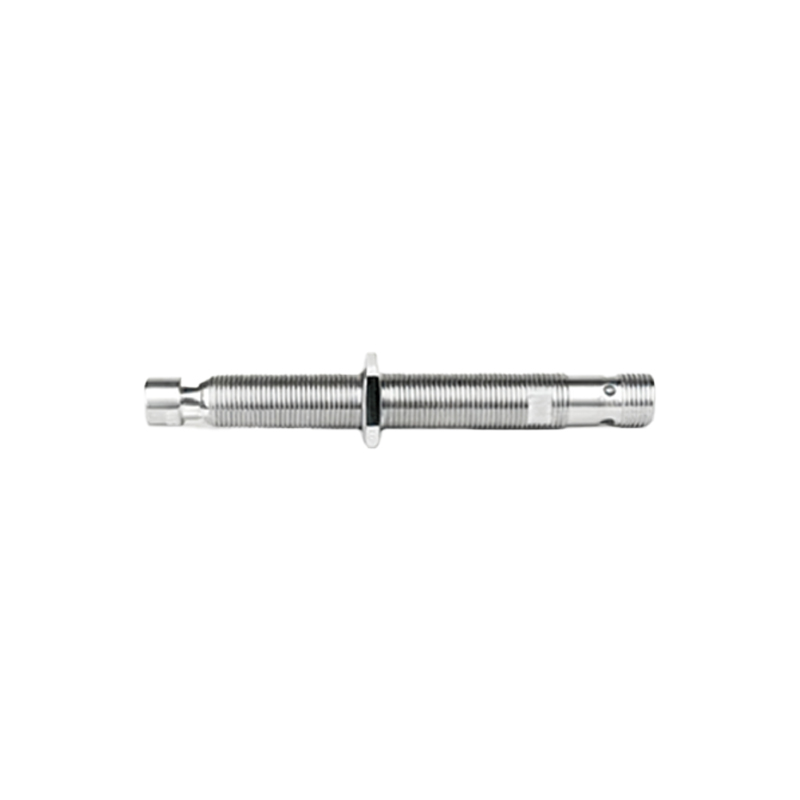
In comparison to other sensing technologies like inductive, capacitive, or optical proximity sensors, magnetic switches have a distinct niche. Inductive sensors detect metals but have a shorter range and require a metal target. Capacitive sensors detect various materials but can be sensitive to environmental changes. Optical sensors offer long range but are susceptible to contamination. The magnetic switch's strength lies in its specific, reliable detection of a magnetic field, making it the preferred choice for applications involving position detection of moving parts with an attached magnet, especially where environmental robustness is needed.
In conclusion, magnetic proximity switches are a mature, highly reliable, and versatile component in the automation toolkit. Their principle of operation is elegantly simple, translating magnetic presence into an electrical signal. By carefully considering factors such as operating distance, environmental rating, electrical load, and output type, engineers and technicians can effectively implement these switches to enhance safety, enable automation, and provide reliable position feedback in countless machines and systems. Their continued evolution, including the integration with digital buses and smarter diagnostics, ensures they will remain a fundamental element in industrial design for the foreseeable future.