In the intricate world of modern electronics, proximity and light sensors are the silent, intelligent sentinels enabling countless functionalities. From the smartphone that dims its screen when held to your ear to the industrial machine that halts when an object gets too close, these components are fundamental. For engineers designing the next generation of devices and procurement specialists sourcing reliable components, understanding the ecosystem of proximity and light sensor manufacturers is crucial. This landscape is diverse, populated by global giants, specialized innovators, and a range of suppliers catering to different market needs.
The market is broadly segmented into several tiers. At the top tier are vertically integrated semiconductor powerhouses. Companies like ams OSRAM, STMicroelectronics, Broadcom Inc., and Vishay Intertechnology dominate with extensive R&D resources, offering highly integrated, high-performance sensor solutions. These manufacturers provide comprehensive product portfolios, including ambient light sensors (ALS), proximity sensors, and combined sensor modules that often incorporate infrared (IR) emitters. Their strengths lie in miniaturization, low power consumption, and advanced features like flicker detection for camera systems. Sourcing from these leaders typically ensures cutting-edge technology, robust supply chains, and extensive application support, which is vital for high-volume consumer electronics like smartphones, tablets, and laptops.
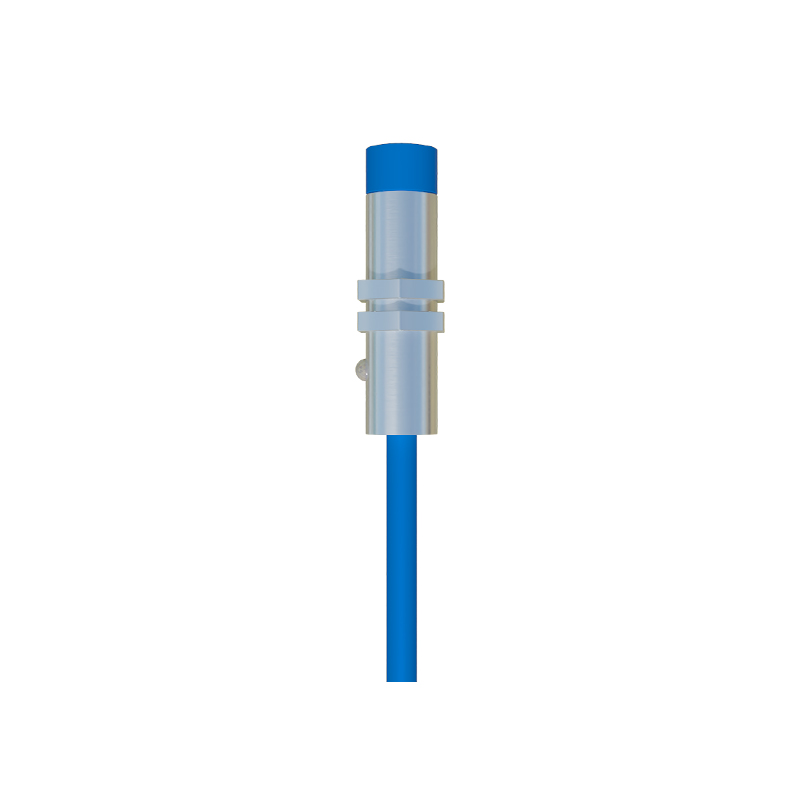
A second tier consists of highly focused sensor specialists. Firms such as Silicon Labs, ROHM Semiconductor, and Everlight Electronics compete by offering optimized solutions for specific applications or by excelling in particular performance parameters like ultra-high sensitivity or exceptional signal-to-noise ratio. These manufacturers might cater to automotive interior sensing, wearable health devices, or smart home automation, where specific environmental conditions or form factors are paramount. Engaging with these specialists can yield more tailored support and innovative solutions for niche applications that might not be the primary focus of the larger conglomerates.
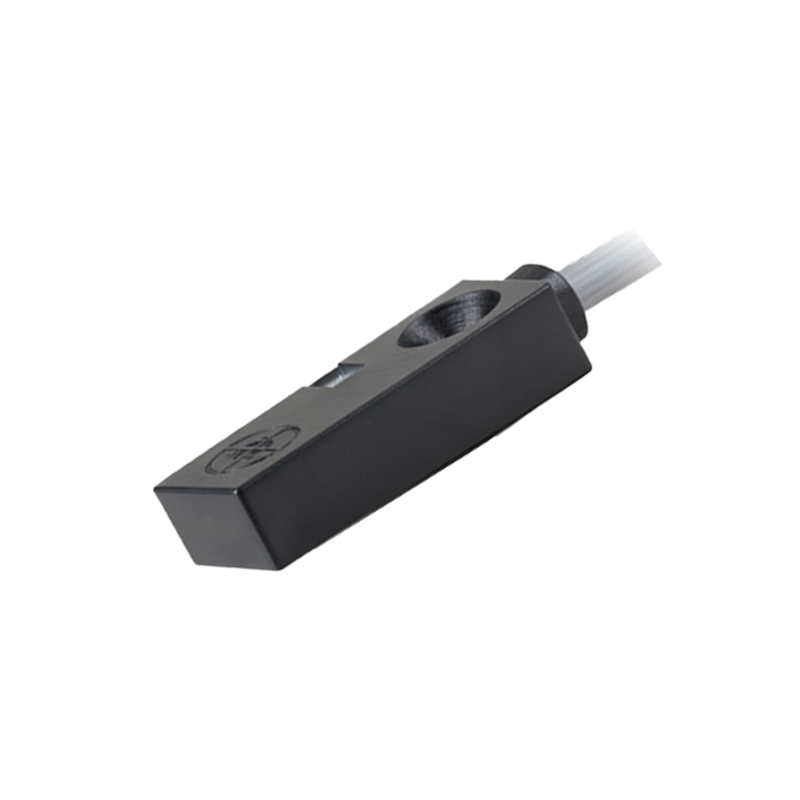
Beyond the component manufacturers themselves, the distribution network plays a pivotal role. Authorized distributors like Digi-Key, Mouser Electronics, and Arrow Electronics provide essential access to inventory, technical data, and sample units from a multitude of manufacturers. For prototyping or low-to-medium volume production, these distributors are indispensable. Furthermore, the rise of module makers and system integrators should not be overlooked. Some companies purchase sensor dies or basic components from the aforementioned manufacturers and package them into ready-to-use modules with calibrated optics, lenses, and simplified digital interfaces (e.g., I2C). This can significantly reduce development time for OEMs.
When evaluating a proximity or light sensor manufacturer, several technical and commercial factors must be weighed. Technically, key specifications include detection range and accuracy for proximity sensors, and spectral response and lux range for light sensors. The integration level is also critical—does the solution require an external IR LED, or is it a fully self-contained module? Power consumption, package size, and interface compatibility (analog, digital I2C/SPI) are equally important. Commercially, factors like cost per unit, minimum order quantities (MOQs), lead times, and the quality of technical documentation and design support (e.g., evaluation kits, application notes) are decisive. For mission-critical applications in automotive or medical fields, the manufacturer's quality management certifications (IATF 16949, ISO 13485) are non-negotiable.
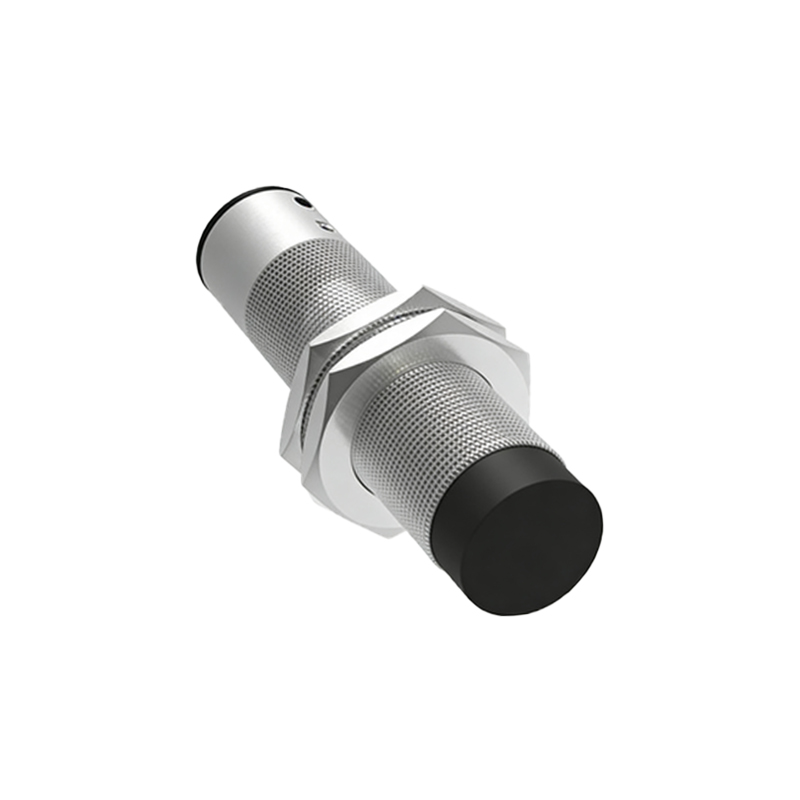
The industry is continuously evolving. Current trends pushing manufacturers to innovate include the demand for sensors with improved performance under sunlight (sunlight immunity), the integration of multiple sensing modalities (e.g., color sensing, gesture recognition), and the drive towards smaller footprints for bezel-less displays. The automotive sector, with its shift towards autonomous driving and enhanced user interfaces, is a major growth driver, requiring sensors that operate reliably across extreme temperatures and lighting conditions.
Therefore, navigating this vendor landscape requires a strategic approach. Begin by meticulously defining your application requirements. Then, research manufacturers whose product roadmaps align with those needs. Utilize distributor websites for parametric searches and to obtain samples. Attend industry webinars and review technical white papers to gauge a company's expertise. Ultimately, building a relationship with a manufacturer or distributor that offers not just a component, but reliable partnership and support, is key to successfully integrating these essential electronic senses into your product.