Laser cutting technology is a cornerstone of modern manufacturing, enabling precise and efficient fabrication across industries from automotive to aerospace. At the heart of this precision lies a network of sophisticated sensors. These components monitor everything from beam power and focus position to gas pressure and motion control. When these sensors function correctly, the process is a symphony of accuracy. However, the occurrence of a laser cutting sensor anomaly can bring production to a grinding halt, leading to costly downtime, material waste, and compromised product quality. Understanding the root causes, effective diagnostic procedures, and reliable solutions is paramount for maintaining operational efficiency.
Sensor anomalies manifest in various ways, often through indirect symptoms on the cut material or direct error codes on the machine's human-machine interface (HMI). Common indicators include inconsistent cut edges, such as excessive dross, irregular kerf width, or unexpected striations. You might observe piercing failures, where the laser cannot initiate a clean cut, or a noticeable decline in cutting speed to maintain quality. The machine itself may generate alarms related to "low beam power," "focus error," "capacitive sensing fault," or "gas pressure deviation." These warnings are the system's first line of defense, signaling that a sensor is providing data outside its predefined operational window.
The causes of these anomalies are typically categorized into environmental, mechanical/electrical, and procedural factors. Environment is a primary culprit. Accumulation of dust, smoke, and spatter from the cutting process can coat sensor lenses or optical windows, particularly those for beam monitoring or capacitive height sensing. This contamination scatters or blocks signals, leading to false readings. Similarly, excessive ambient temperature or humidity fluctuations can affect the electronic stability of sensor circuits. Vibrations transmitted from the machine frame or external sources can loosen connections or damage sensitive internal components of sensors like encoders or interferometers.
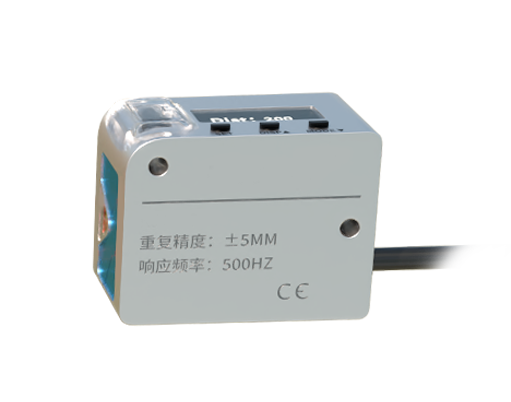
Mechanical and electrical failures constitute another major category. Physical damage to sensor probes or cables is common in the busy workshop environment. Wear and tear over time degrade performance; for instance, the lens of a coaxial capacitive sensor can become scratched. Electrical issues include poor grounding, which creates signal noise, or voltage spikes that damage sensitive electronics. Connectors can oxidize or work loose, resulting in intermittent signal loss. Furthermore, the sensors themselves have a finite lifespan, and their calibration can drift over thousands of operating hours, leading to a gradual decline in measurement accuracy.
Diagnosing a sensor anomaly requires a systematic approach. The first step is always to consult the machine's error log and diagnostic menu, which can pinpoint the specific sensor triggering the fault. A visual inspection is next: check for obvious contamination, physical damage to cables or the sensor head, and ensure all connections are secure. For optical sensors, cleaning the protective window with appropriate materials (like lint-free wipes and isopropyl alcohol) is a simple yet often effective fix. Basic electrical checks with a multimeter can verify power supply and signal continuity.
For more complex issues, diagnostic tools are essential. An oscilloscope can analyze the signal waveform from an analog sensor to identify noise or instability. Manufacturers often provide service software to run diagnostic routines that test sensor response in real-time. A process of isolation is also valuable. If a height control issue is suspected, temporarily switching to a manual, fixed height setting can determine if the problem lies with the capacitive sensor or elsewhere in the motion system. Comparing sensor feedback values against known good benchmarks or a secondary measurement tool is a definitive check.
Resolving these anomalies ranges from simple maintenance to component replacement. Regular, preventive maintenance is the most powerful solution. Establishing a schedule for cleaning optical components, checking cable integrity, and verifying connector tightness can prevent most issues. Adherence to the manufacturer's recommended calibration intervals is non-negotiable for maintaining precision. This often involves using certified calibration fixtures or having a technician perform a laser beam analysis.
When a sensor is faulty beyond calibration, replacement is necessary. It is critical to use OEM (Original Equipment Manufacturer) or high-quality compatible parts to ensure performance and communication compatibility with the machine's controller. After replacement, full calibration and test cuts on sample material are mandatory. Furthermore, reviewing and optimizing cutting parameters for the specific material and thickness can reduce the sensor's operational burden. For instance, optimizing gas pressure and cutting speed can minimize spatter, thereby reducing lens contamination.

In conclusion, laser cutting sensor anomalies are an inevitable challenge in high-precision manufacturing, but they are not insurmountable. They serve as critical indicators of the machine's health. A proactive strategy centered on understanding common failure modes, implementing rigorous preventive maintenance, and following structured diagnostic protocols minimizes disruption. By treating sensor data as a vital health metric and responding to anomalies with informed actions, operators can ensure their laser cutting systems continue to deliver the reliability, precision, and productivity that modern industry demands. The goal is not just to fix problems, but to create an operational environment where they are less likely to occur.