Introduction to Photoelectric Water Level Sensors
Photoelectric sensors are widely used in industrial water level detection due to their high accuracy, non-contact operation, and resistance to corrosion. Unlike traditional float or conductivity-based methods, these sensors rely on light refraction and reflection to determine the presence or absence of liquid. This article explores the working principle, key components, and practical applications in electrical engineering.
Operating Principle: Light Emission and Reception
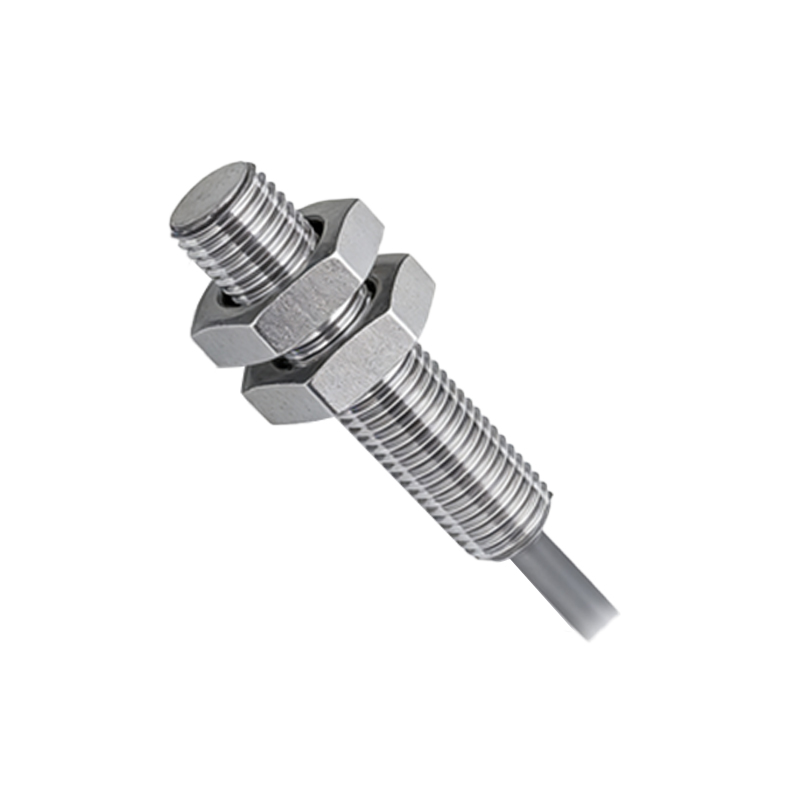
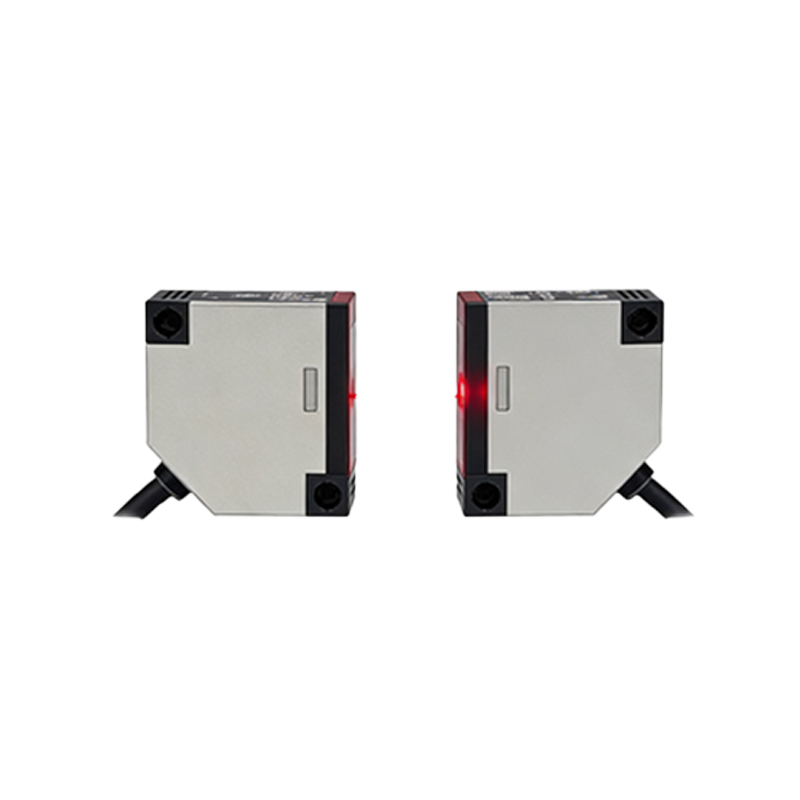
A typical photoelectric water level sensor consists of an infrared LED and a phototransistor. The LED emits a beam of light that passes through a prism or transparent lens at the sensor tip. When the tip is in air, the light is reflected internally back to the phototransistor, creating a high signal. When the tip is submerged in water, the light refracts into the liquid, reducing the reflected signal and triggering a low output. This binary state change allows precise detection of water presence without mechanical moving parts.
Key Technical Specifications for Engineers
For effective implementation, engineers must consider parameters such as operating voltage (typically 5-24V DC), output type (NPN or PNP open collector), sensing distance (up to 10mm through tank walls), and response time (often under 1ms). The sensor's IP rating, usually IP67 or higher, ensures protection against dust and water immersion. Additionally, the material of the sensing head (e.g., polycarbonate or glass-reinforced plastic) must match the chemical compatibility with the detected liquid.
Installation Considerations in Industrial Systems
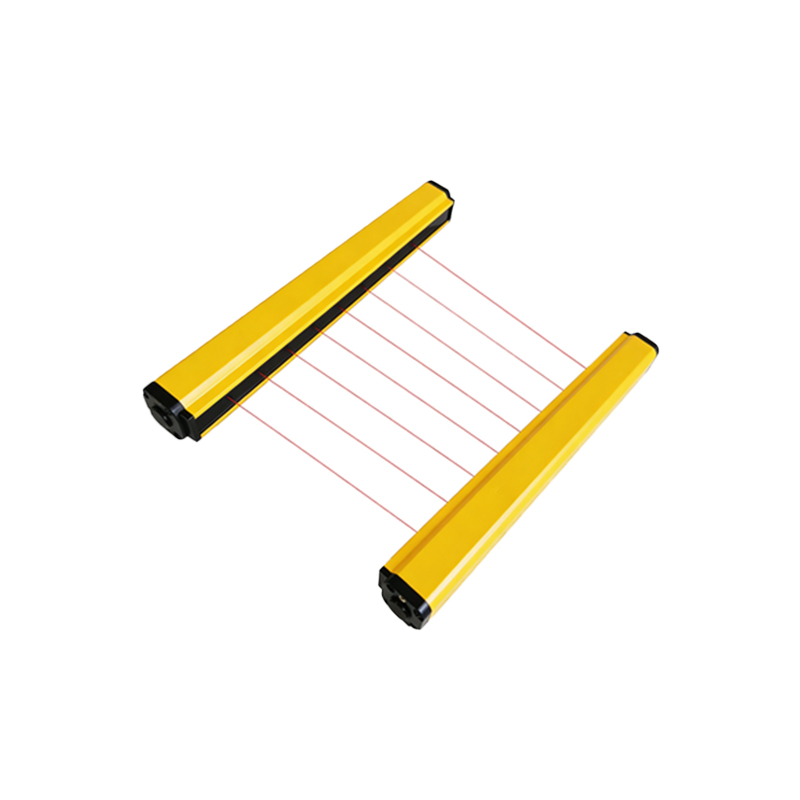
Proper mounting is critical for reliable performance. The sensor should be installed at a 15-30 degree angle from vertical to prevent air bubble accumulation on the lens. In pressurized tanks, a specialized mounting boss or threaded adapter is required to maintain seal integrity. For multiple-point level monitoring, sensors are spaced at predetermined heights along a probe or external sight glass. Electrical connections must be shielded from electromagnetic interference (EMI) from nearby motors or variable frequency drives (VFDs).
Advantages Over Conventional Methods
Compared to float switches, photoelectric sensors offer no hysteresis, eliminating false triggering from wave motion. They are immune to foam, viscosity changes, and conductive deposits that plague conductivity probes. Their solid-state design guarantees a lifespan exceeding 100,000 operating cycles, significantly reducing maintenance costs in wastewater treatment, chemical processing, and food & beverage industries.
Troubleshooting Common Issues
If a sensor fails to detect water, first clean the lens with a soft cloth and isopropyl alcohol to remove oil or scale. Verify that the supply voltage is within spec and that the output wiring is not reversed. In dark liquids or those with suspended solids, consider using a sensor with a modulated light frequency to reject ambient light noise. For extreme temperatures (above 85°C), a fiber-optic extension may be required to separate the electronics from the heat source.