Proximity sensors are indispensable components in modern automation, manufacturing, and consumer electronics, providing non-contact detection of objects. However, their performance is not immune to environmental factors, with temperature being one of the most significant and often overlooked influences. Understanding how temperature affects proximity sensors is crucial for ensuring system reliability, accuracy, and longevity.
All proximity sensors, whether inductive, capacitive, ultrasonic, or photoelectric, rely on physical principles that are inherently temperature-sensitive. The core functionality involves generating a field (electromagnetic, acoustic, or light) and detecting changes caused by a target object. Temperature variations can alter the properties of materials within the sensor, the medium through which the signal travels (usually air), and the electronic components processing the signal.
For inductive sensors, which detect metallic objects, temperature changes impact the electrical properties of the sensor's coil and oscillator circuit. The inductance and resistance of the copper windings change with temperature. Typically, as temperature increases, the coil's resistance increases, which can dampen the oscillation and reduce the sensor's magnetic field strength. This often results in a decrease in the nominal sensing range. A sensor rated for a 10mm range at room temperature (25°C) might only detect an object at 8mm when the ambient temperature rises to 70°C. Conversely, at very low temperatures, the increased conductivity might slightly extend the range, but can also make the sensor more susceptible to electrical noise.
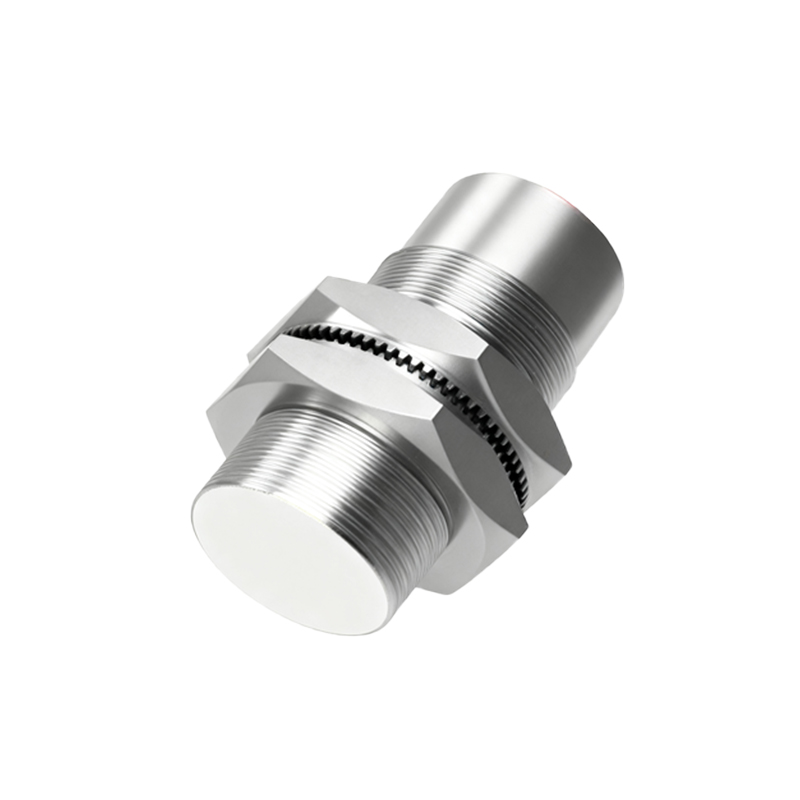
Capacitive sensors, used for detecting both metallic and non-metallic materials, face similar challenges. The dielectric constant of both the sensor's internal materials and the target material changes with temperature. Air, the typical dielectric medium, also has temperature-dependent properties. These changes can lead to signal drift, causing false triggering or failure to detect. For instance, in a liquid level detection application, a change in the temperature of the liquid can significantly alter its capacitance, leading to inaccurate readings if not compensated.
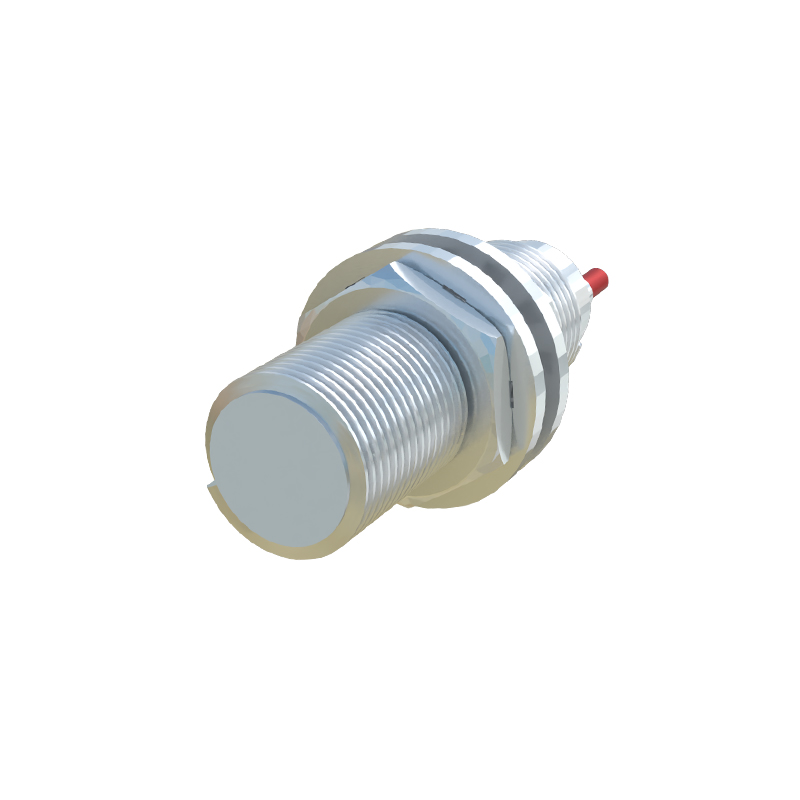
Photoelectric sensors are highly susceptible to temperature effects on their light sources (LEDs or lasers) and receivers. The wavelength and intensity of light emitted by an LED shift with temperature. The sensitivity of the photodiode or phototransistor receiver also varies. In dusty or foggy environments, temperature affects the density and behavior of airborne particles, scattering the light beam and reducing effective range. Condensation forming on the lens due to rapid temperature changes can completely blind the sensor.
The electronic components within any proximity sensor, including amplifiers, comparators, and signal processors, exhibit parametric drift with temperature. This can alter switching points, hysteresis, and response time. Solid-state outputs may experience changes in saturation voltage.
Mitigating these effects requires a multi-faceted approach. The first line of defense is proper sensor selection. Manufacturers specify operating temperature ranges (e.g., -25°C to +70°C) and often provide derating curves that show how the sensing distance decreases as temperature increases. Selecting a sensor with a temperature range exceeding the application's expected extremes is essential.
For critical applications, sensors with built-in temperature compensation are available. These incorporate temperature sensors and microcontrollers that dynamically adjust the sensor's operating parameters to counteract drift, maintaining a consistent sensing point across the temperature range. While more expensive, they are vital for high-precision tasks.
Physical installation plays a key role. Avoid mounting sensors near heat sources like motors, heaters, or ovens. Using thermal barriers or heat sinks can protect the sensor. Ensuring good airflow around the sensor prevents heat buildup. For photoelectric sensors, using lenses made of materials with low thermal expansion and keeping them clean from condensation is important.
Regular maintenance and calibration are necessary, especially in environments with wide temperature swings. Establishing a calibration schedule that accounts for seasonal temperature changes can prevent unexpected downtime. System design should incorporate tolerances for potential sensing range reduction at temperature extremes. Using sensors with a wider nominal range than strictly required provides a safety margin.
In conclusion, temperature is a pervasive factor influencing the performance of all proximity sensor technologies. Ignoring its effects can lead to measurement errors, false operations, and system failures. By understanding the specific thermal sensitivities of the chosen sensor technology, selecting appropriate hardware, and implementing thoughtful design and maintenance practices, engineers can ensure that proximity sensing systems deliver robust and reliable performance across their intended operational envelope.