Magnetic proximity sensors are fundamental components in modern industrial automation and consumer electronics. Unlike optical or ultrasonic sensors, they detect the presence or absence of a magnetic field, typically generated by a permanent magnet. This operating principle grants them unique advantages, making them indispensable in environments where reliability, durability, and cost-effectiveness are paramount.
The core technology behind these sensors is based on the Hall effect or magnetoresistive principles. A Hall effect sensor generates a voltage difference (the Hall voltage) across an electrical conductor when a magnetic field is applied perpendicular to the current flow. This voltage signal is then processed by integrated electronics to provide a clean, digital on/off output or an analog signal proportional to the field strength. Magnetoresistive sensors, on the other hand, change their electrical resistance in the presence of a magnetic field. Both technologies enable contactless detection, meaning the sensor and the target magnet never physically touch, thereby eliminating mechanical wear and tear.
This non-contact operation is the primary source of their robustness. Magnetic proximity sensors are inherently resistant to contamination from dust, oil, moisture, and other environmental factors that commonly plague optical sensors. They can be completely sealed, making them ideal for harsh industrial settings like machine tools, agricultural equipment, and automotive applications. Their longevity is exceptional, often rated for tens of millions of switching cycles, as there are no moving parts to fail.
The applications are vast and varied. In factory automation, they are ubiquitous for position sensing—detecting whether a cylinder is extended or retracted, verifying the open/closed status of doors or guards, and counting revolutions or linear movements via a geared magnet. The automotive industry relies on them for wheel speed sensing in anti-lock braking systems (ABS), detecting gear position in transmissions, and monitoring seat belt latches. In consumer devices, they provide the familiar "flip to mute" function in smartphones by detecting a magnet in a cover, or serve as reed switches in security systems to monitor windows and doors.
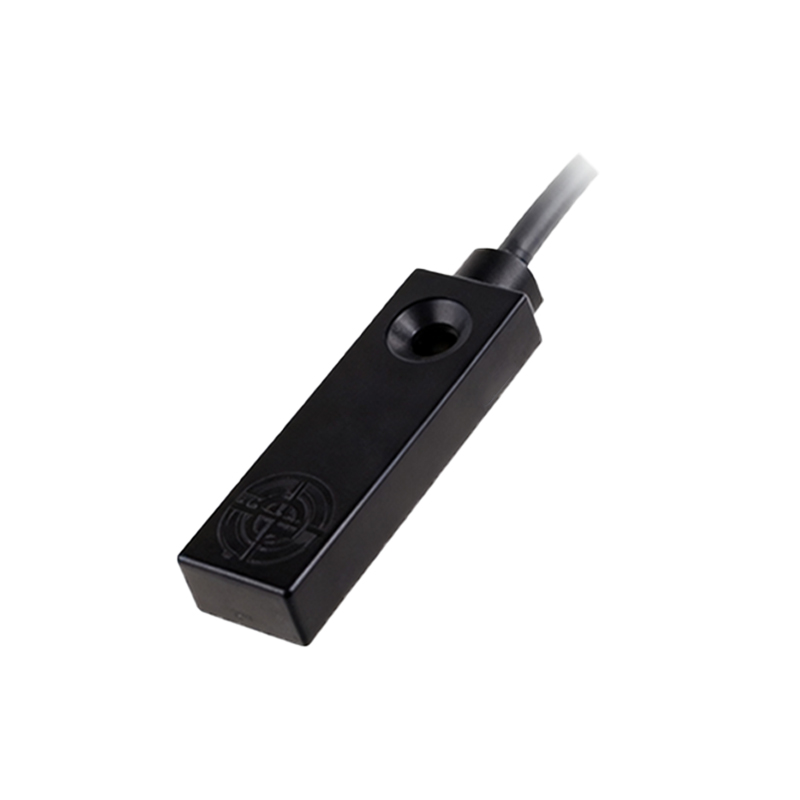
Selecting the right magnetic proximity sensor requires careful consideration of several key parameters. First is the sensing distance, which is typically short-range, from a few millimeters up to about 60 mm for specialized models. The specified operating distance must account for the strength of the target magnet. Second is the output type. Digital outputs (PNP/NPN) are standard for simple presence detection, while analog outputs provide continuous position feedback. Third is the electrical connection, with choices ranging from pre-wired cables to quick-disconnect plugs. The housing material is critical for the environment; stainless steel offers high chemical and mechanical resistance, while plastic or brass housings may suffice for lighter duties. Finally, one must consider the switching frequency—how fast the sensor can respond—and its protection rating (IP or NEMA) against solids and liquids.
Installation and alignment are straightforward but crucial. The sensor must be mounted securely to prevent vibration from altering the critical air gap between it and the magnet. The orientation of the magnet's poles relative to the sensor's active face is also vital; manufacturers provide precise diagrams for optimal alignment. Shielding from stray magnetic fields from motors or transformers may be necessary in electrically noisy environments.
Looking ahead, advancements in miniaturization and integration continue. Modern sensors pack more intelligence, with features like programmable switching points, diagnostics via IO-Link communication, and increased resistance to electromagnetic interference. These developments are expanding their use into more precise and connected applications within the framework of Industry 4.0 and the Internet of Things.
In summary, magnetic proximity sensors offer a reliable, durable, and cost-efficient solution for non-contact detection tasks. Their immunity to harsh conditions and simple interface make them a first-choice component for engineers designing systems where maintenance-free operation and long-term reliability are non-negotiable requirements. Understanding their principles and specifications is key to leveraging their full potential across countless industrial and commercial applications.