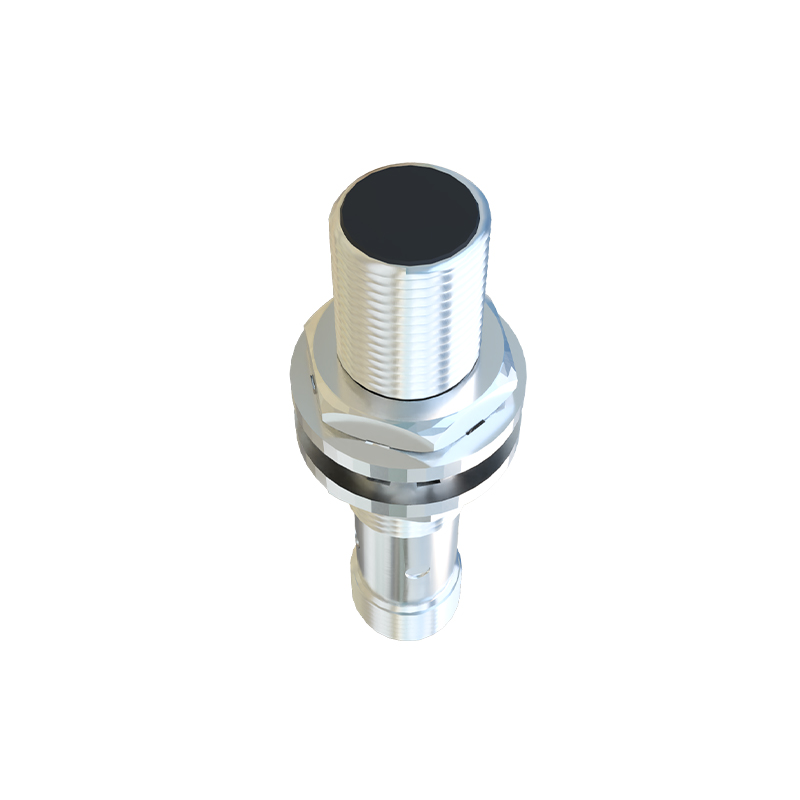
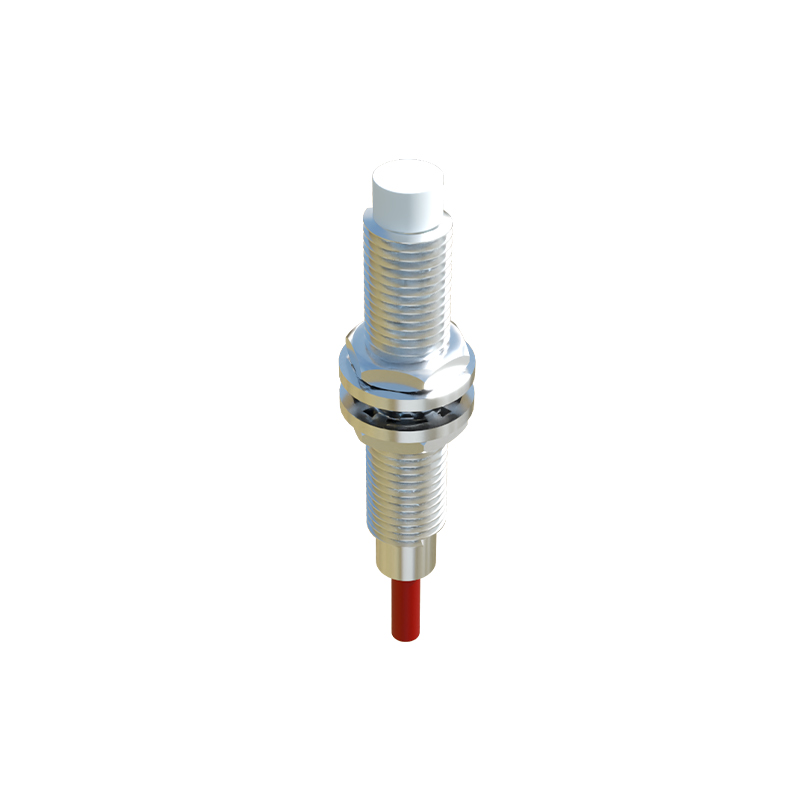
Water level proximity sensors are essential devices in modern industrial and environmental monitoring systems. These sensors detect the presence or absence of water at specific points, providing critical data for automation, safety, and resource management. Unlike traditional float switches or pressure-based sensors, proximity sensors often operate without direct contact with the water, reducing maintenance needs and improving reliability in harsh conditions.
The working principle of water level proximity sensors varies based on technology. Capacitive sensors, for example, detect changes in capacitance when water approaches the sensing area. As water has a higher dielectric constant than air, the sensor can identify the shift and trigger an output signal. Inductive sensors, though less common for water, may be used with conductive liquids by detecting changes in magnetic fields. Ultrasonic sensors emit sound waves and measure the time taken for echoes to return, calculating distance to the water surface. Each type offers distinct advantages: capacitive sensors are ideal for small-scale or container-based applications, while ultrasonic sensors excel in large tanks or open bodies of water.
Applications of these sensors span numerous industries. In wastewater treatment plants, they monitor tank levels to optimize pumping cycles and prevent overflow. Agricultural irrigation systems rely on them to automate water distribution, conserving resources and ensuring crop health. Industrial boilers and cooling towers use proximity sensors to maintain safe water levels, avoiding equipment damage. In smart homes, they integrate with leak detection systems, alerting residents to potential floods. Even automotive and aerospace sectors employ them for fluid management in engines or hydraulic systems.
Selecting the right water level proximity sensor depends on factors like accuracy, environment, and cost. For corrosive liquids, sensors with chemically resistant materials (e.g., PTFE or stainless steel) are necessary. In outdoor settings, weatherproof designs with high IP ratings ensure durability. Modern sensors often include digital interfaces (e.g., IO-Link or Modbus) for seamless integration with IoT platforms, enabling real-time monitoring and predictive maintenance.
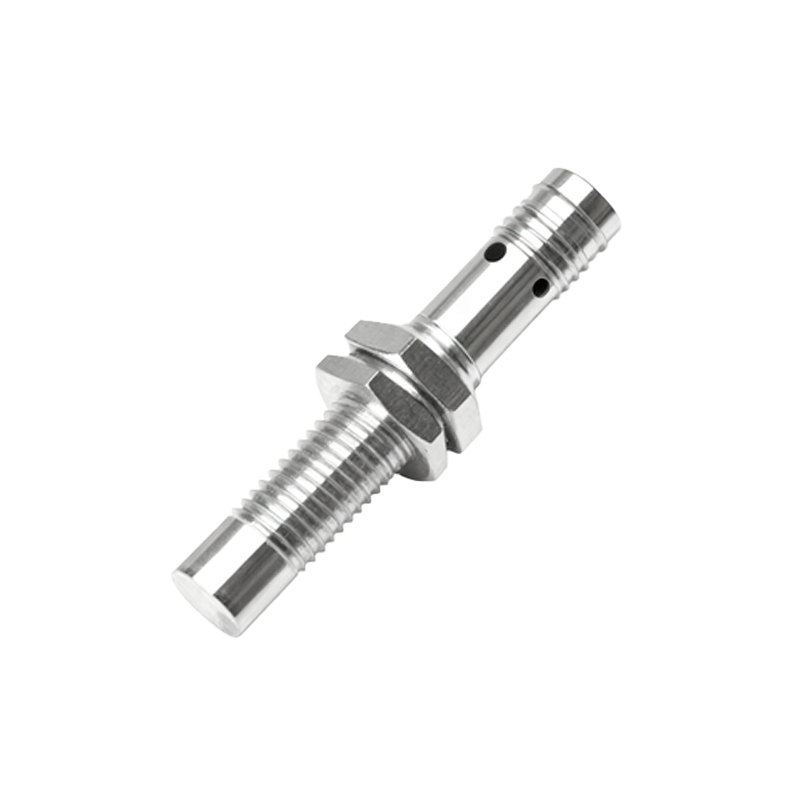
Despite their benefits, challenges exist. Foam, vapor, or debris can interfere with readings, requiring careful installation and calibration. Regular testing is recommended to maintain accuracy. As technology advances, innovations like AI-enhanced sensors and low-power wireless models are expanding possibilities, making water level monitoring more efficient and accessible globally.
In summary, water level proximity sensors are versatile tools that enhance safety, efficiency, and sustainability. By understanding their mechanisms and applications, industries can implement effective solutions for fluid management, contributing to smarter resource use and operational resilience.