Introduction to Photoelectric Sensors
Photoelectric sensors are essential components in modern industrial automation, providing non-contact detection of objects, materials, and surfaces. These devices use light beams to sense presence, position, and distance, offering high reliability in harsh environments. As an electrical engineer, selecting the correct model is critical for optimizing system performance. This article introduces key photoelectric sensor models, their specifications, and applications, based on industry standards and practical experience.
Key Photoelectric Sensor Types and Their Models
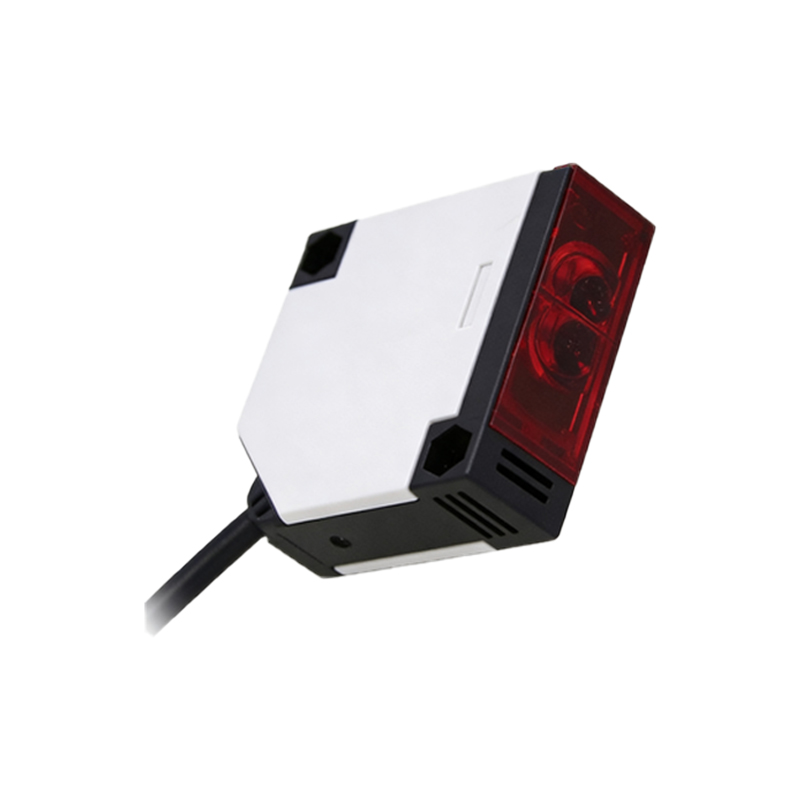
The most common sensor types include through-beam, retro-reflective, and diffuse reflective sensors. Through-beam models, such as the Banner QS30 series and SICK WL12-3P2431, offer long sensing ranges up to 30 meters, ideal for conveyor belts and warehouse gates. Retro-reflective sensors, like the Omron E3Z-R61, use a reflector and sense objects up to 10 meters, suitable for packaging lines. Diffuse reflective models, including the Keyence FU-35TZ, detect changes in reflected light for short-range tasks like part counting. Each model is designed with specific output types, such as NPN or PNP, and connection options like M12 connectors.
Selecting the Right Model for Your Application
For dusty or wet environments, choose models with IP67 or IP69K ratings, like the Balluff BOS018K. For high-speed detection, select sensors with response times under 1 ms, such as the Pepperl+Fuchs ML100-55. Adjustable sensitivity is crucial for varying surface colors; the Autonics BEN series provides a simple potentiometer. Always verify power supply requirements, typically 10-30 VDC, and consider background suppression features from models like the Sick WTB4-3P2161 to avoid false triggers.
Installation and Calibration Best Practices
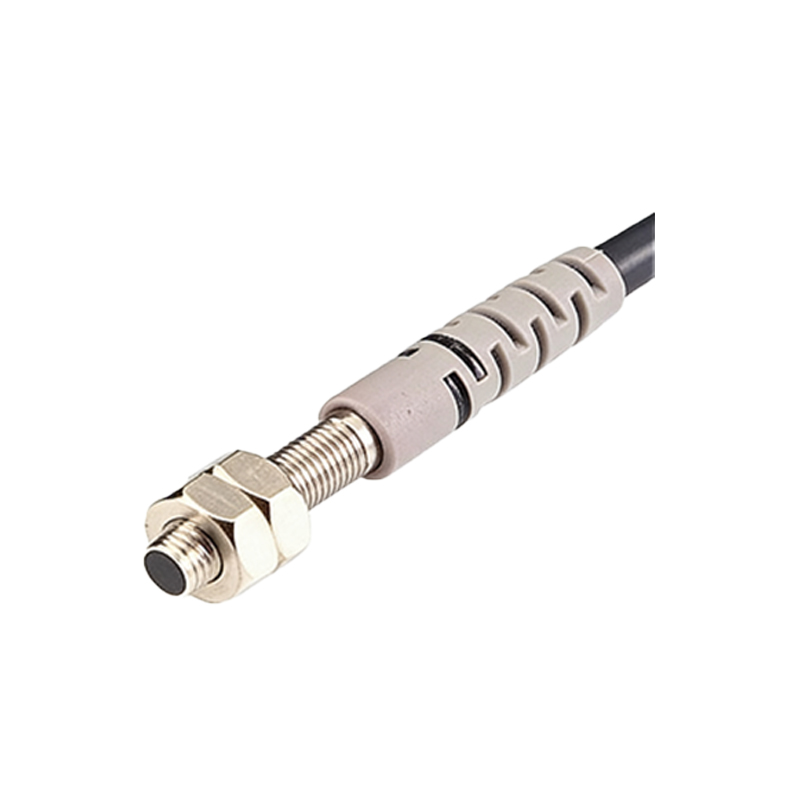
Mount sensors with proper alignment to the target and reflector, avoiding direct sunlight or stray light. Use the teach-in function on models like the Omron E3Z-LS66 to set detection thresholds. For through-beam pairs, ensure the emitter and receiver are parallel. Calibrate using the indicator LED: stable red indicates correct operation, while flashing suggests misalignment. Document settings for maintenance.
Common Troubleshooting and Maintenance Tips
If a sensor fails, first check for dirty lenses, which can reduce range by up to 50%. Clean with lint-free cloths and isopropyl alcohol. Verify wiring for continuity and voltage drops. For erratic behavior, use a shielded cable to avoid electromagnetic interference from motors. Replace aging models with newer versions, such as the Banner QS18 series, which offer diagnostic feedback via IO-Link.
Conclusion and Future Trends
Understanding photoelectric sensor models empowers engineers to design robust automation systems. Emerging trends include smart sensors with built-in diagnostics, smaller form factors, and integration with Industry 4.0 protocols. For further details, consult manufacturer datasheets or attend specialized training. Proper selection ensures efficiency, safety, and cost savings in production.