In the ever-evolving landscape of industrial automation, consumer electronics, and smart infrastructure, the demand for sensors that can perform reliably under challenging conditions has never been higher. Among these, the water resistant proximity sensor stands out as a critical component, enabling functionality where moisture, splashes, or even temporary submersion would render conventional sensors useless. This technology is not merely an incremental improvement but a fundamental shift, opening new frontiers for design and application.
At its core, a proximity sensor detects the presence or absence of an object within a specific range without physical contact. Traditional models, however, are often vulnerable to environmental factors. Condensation, rain, washdowns in food processing plants, or simply high humidity can lead to false readings, corrosion, and eventual failure. A water resistant proximity sensor is engineered to withstand these threats. This is achieved through a combination of robust housing materials like stainless steel or specialized polymers, advanced sealing techniques such as laser welding or high-grade epoxy resins, and often, an ingress protection (IP) rating that certifies its resilience.

The significance of this resilience cannot be overstated. In manufacturing, particularly in sectors like automotive or beverage production, equipment undergoes frequent cleaning with high-pressure water and chemicals. A water resistant sensor ensures that production lines can be sanitized without downtime or sensor damage, maintaining hygiene and operational efficiency. Similarly, in outdoor applications—from automated parking gates and agricultural machinery to maritime equipment—these sensors provide consistent performance regardless of weather, resisting rain, snow, and dust.
Beyond industrial settings, water resistant proximity sensors are becoming integral to the consumer experience. Modern smartphones utilize them to disable the touchscreen when the device is held to the ear during a call. A water resistant version ensures this feature works flawlessly even if the phone is exposed to rain or accidental spills. In smart home devices, such as touchless faucets or soap dispensers installed in bathrooms and kitchens, reliability in damp conditions is paramount. These sensors enable hygienic, hands-free operation while enduring a moist environment day after day.
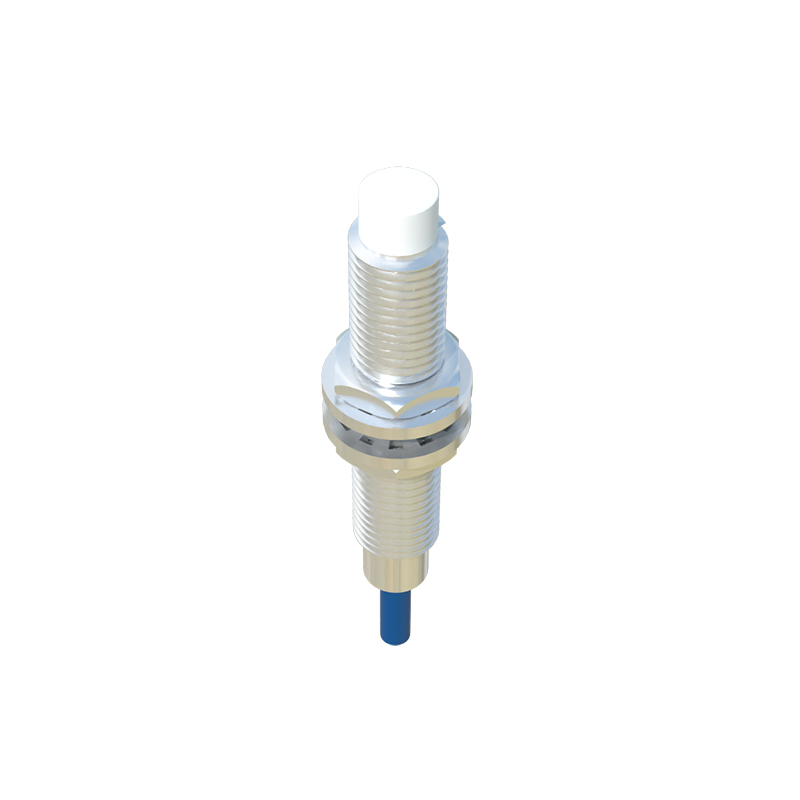
The technology behind these sensors varies. Inductive sensors, which detect metallic objects, are commonly housed in metal casings for water resistance. Capacitive sensors, capable of detecting both metallic and non-metallic materials, also benefit from sealed designs for use in liquid-level detection or damp environments. Ultrasonic sensors, which use sound waves, require specially designed membranes that can transmit signals while keeping internal components dry. Each type leverages specific sealing methodologies to achieve its IP rating, commonly reaching levels like IP67 (protected against temporary immersion) or IP69K (protected against high-pressure, high-temperature jet sprays).
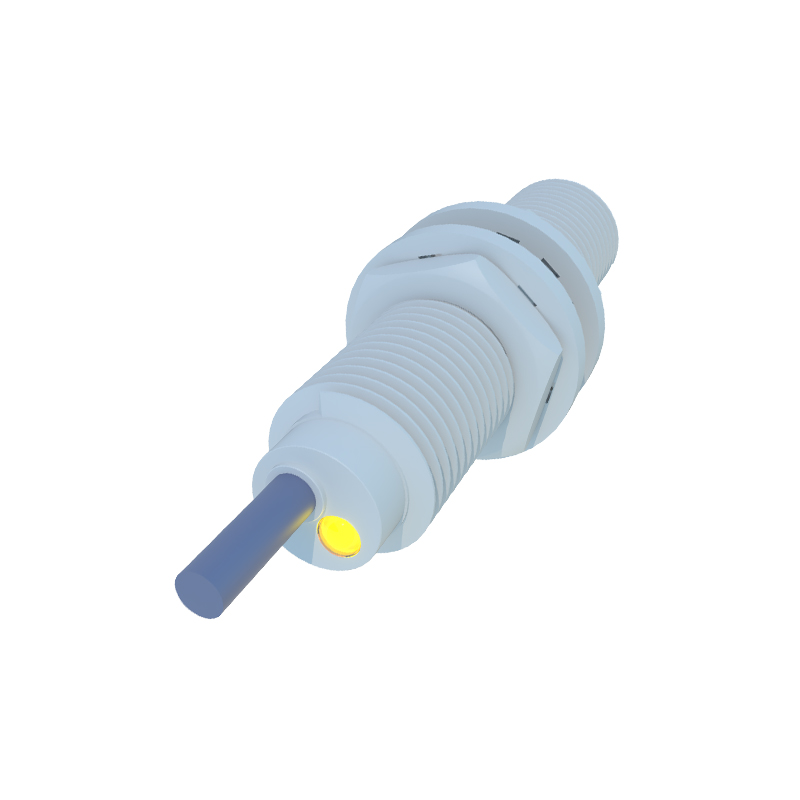
For engineers and designers, selecting the right water resistant proximity sensor involves careful consideration. The required IP rating must match the actual environmental exposure. The sensing range, response time, and output type (e.g., digital or analog) must align with the application's needs. Furthermore, factors like chemical resistance may be crucial if the sensor will be exposed to oils, solvents, or cleaning agents. It is a balance between durability, precision, and cost.
Looking ahead, the integration of water resistant technology with other advancements like IoT connectivity and miniaturization is paving the way for smarter, more versatile systems. Imagine sensors embedded in urban infrastructure for flood monitoring, or within medical devices that require regular sterilization. The ability to resist water expands the possible, pushing the boundaries of where automated sensing can be applied.
In conclusion, the water resistant proximity sensor is more than a protective variant; it is an enabler of robustness and reliability. By ensuring accurate, continuous operation in the presence of water and moisture, it supports innovation across industries, enhances product longevity, and reduces maintenance costs. As our world becomes more automated and interconnected, the role of such resilient components will only grow in importance, forming the durable sensory backbone of our wet, demanding, and dynamic environments.