Photoelectric sensors are indispensable in modern paper cup machines, providing reliable, non-contact detection that enhances automation efficiency. By understanding their operating principles—from light emission to signal processing—engineers can select, install, and maintain these components to optimize production. As electrical engineers, we must also consider environmental factors and PLC integration to achieve robust performance. With proper implementation, these sensors reduce downtime, improve product quality, and support the high-speed demands of the packaging industry.
Introduction to Photoelectric Sensors in Paper Cup Manufacturing
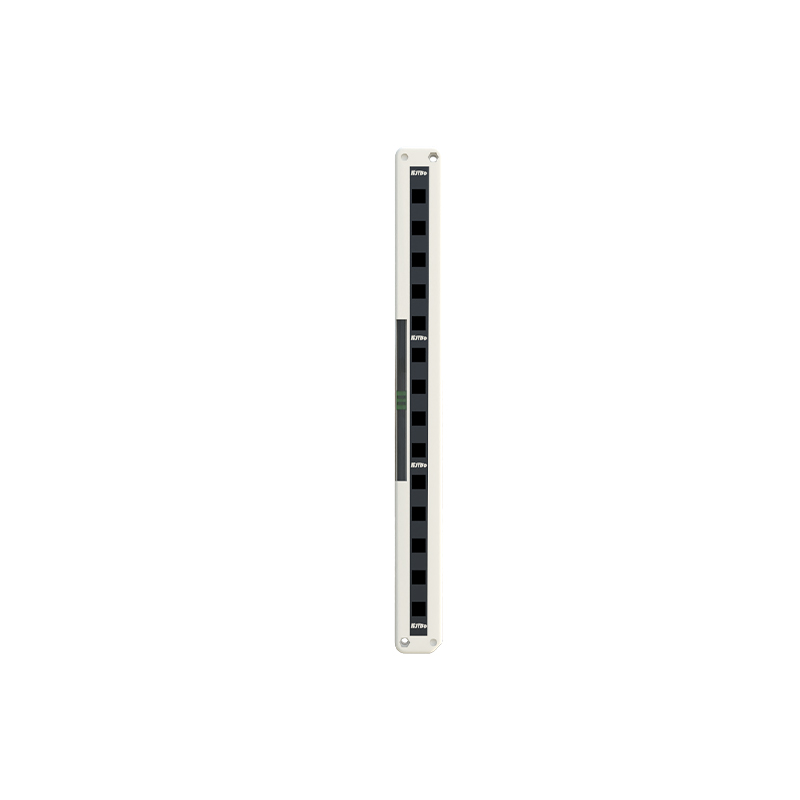
In modern paper cup production lines, precision and speed are paramount. As an electrical engineer specializing in industrial automation, I have observed that photoelectric sensors play a critical role in ensuring consistent output and minimizing waste. These sensors detect the presence, position, or absence of paper cup components—such as paper rolls, pre-cut blanks, and finished cups—without physical contact. By leveraging the principles of light modulation and reflection, they enable real-time feedback to programmable logic controllers (PLCs), which adjust actuators and conveyors accordingly. This non-contact detection method is essential for handling delicate paper materials and maintaining high throughput rates, often exceeding 100 cups per minute.
Basic Operating Principle: Light Emission and Reception
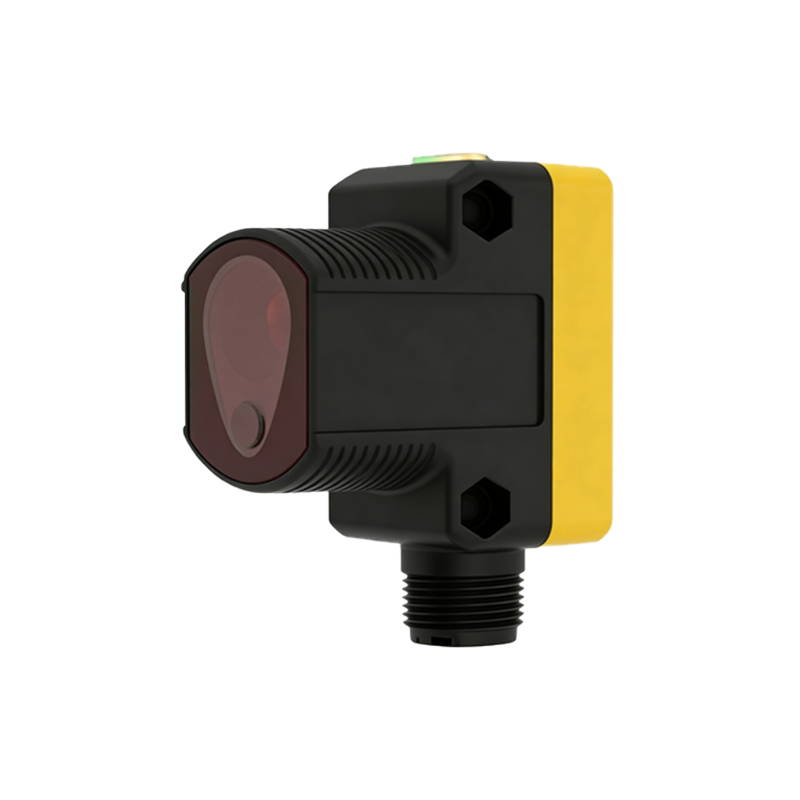
The core of a photoelectric sensor lies in its ability to emit a beam of light, typically from an infrared or visible red LED, and detect changes in that beam caused by an object. In paper cup machines, I commonly use three types: through-beam, retro-reflective, and diffuse reflective sensors. Through-beam sensors consist of a separate emitter and receiver; when a paper cup blank interrupts the light path, the receiver signal drops, triggering a response. Retro-reflective sensors use a reflector to bounce light back to the receiver, and any object passing between them disrupts the beam. Diffuse sensors rely on the target itself to reflect light back, which is useful for detecting uneven paper surfaces. The key electrical parameter here is the photocurrent generated in the receiver, which is amplified and compared to a threshold to produce a binary output.
Critical Components and Circuitry in Paper Cup Applications
From an engineering standpoint, the sensor's internal circuitry includes a light source driver, a photodetector (such as a phototransistor or photodiode), and a signal processing unit. In paper cup machines, I often select sensors with adjustable sensitivity to accommodate varying paper colors, textures, and ambient light conditions. For instance, white paper blanks may require lower sensitivity to avoid false triggering, while recycled paper with darker shades needs higher amplification. The output stage is typically a solid-state relay or NPN/PNP transistor, providing a clean digital signal to the PLC. I also recommend using sensors with built-in background suppression to ignore dust or vibration, which are common in high-speed cup forming stations.
Implementation in Paper Cup Machine Stations
Practical deployment involves mounting sensors at strategic points: at the paper roll unwinding section to detect web breaks, at the blank feeding station to confirm proper alignment, and at the cup ejection chute to count finished products. In my designs, I use through-beam sensors for edge detection of paper rolls due to their long range and immunity to surface reflectivity. For cup presence detection inside the forming mold, diffuse sensors with narrow beam angles are preferred to avoid interference from metal parts. Each sensor is wired to a PLC input module, and I always include a short time delay (typically 5-10 ms) in the PLC logic to filter out transient signals from mechanical vibrations.
Troubleshooting and Maintenance Considerations
As an engineer, I emphasize regular calibration to maintain sensor accuracy. Common issues include lens contamination from paper dust, which reduces light transmission, and misalignment due to machine vibration. I advise using sensors with IP67 ratings for washdown environments and incorporating auto-diagnostic features, such as LED indicators for output status. When a sensor fails, the PLC often enters a safe stop mode, preventing material jams. In my experience, replacing sensors with the same model ensures consistent response times, which is vital for synchronizing with servo-driven cup forming stations.