Introduction to Photoelectric Sensors in Foil Stamping
Photoelectric sensors are critical components in modern foil stamping machines, ensuring precise registration and material handling. These sensors detect the presence, position, and movement of foil or substrate using light beams. High-definition imaging of these sensors is essential for engineers to inspect alignment, contamination, or wear. In this overview, we focus on the technical aspects of capturing and analyzing HD images for maintenance and optimization.
Key Features of Photoelectric Sensors for Foil Stamping
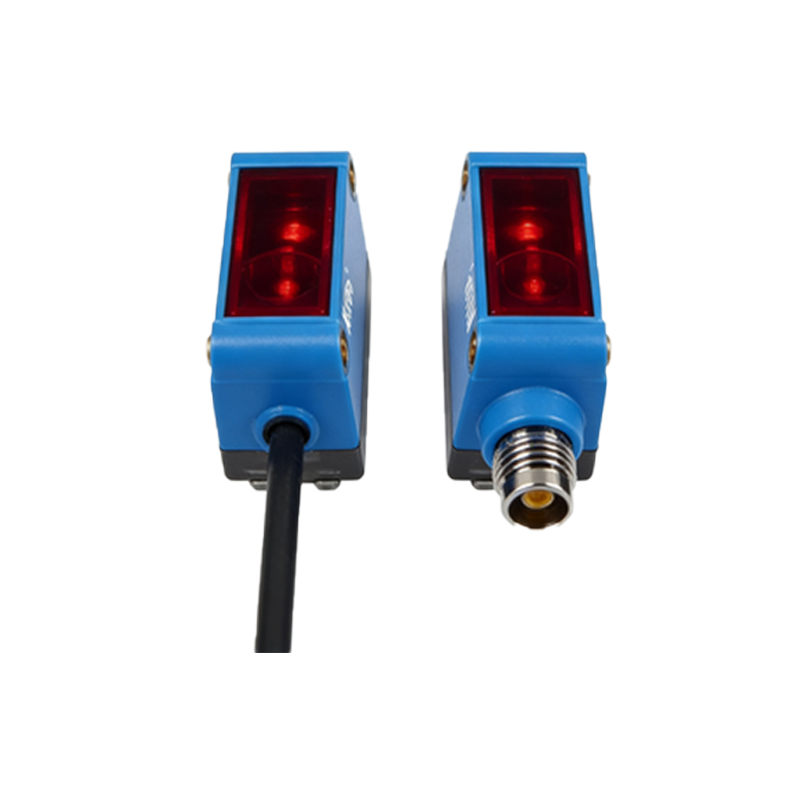
Typical photoelectric sensors in foil stamping include through-beam, retro-reflective, and diffuse types. HD images highlight the emitter and receiver modules, lens condition, and mounting brackets. For instance, a through-beam sensor’s alignment is critical; HD photos reveal micro-deviations that affect accuracy. Engineers use these images to assess lens cleanliness, cable integrity, and housing sealing against dust and heat, common in foil stamping environments.
Capturing High-Definition Images for Diagnostics
To obtain HD images, use a macro lens with 10x magnification and controlled lighting to avoid glare. Position the camera perpendicular to the sensor’s active surface. Focus on the lens area, cable connections, and indicator LEDs. For example, a clean lens shows a sharp, uniform red spot, while contamination appears as fuzzy or dim areas. These details are vital for predictive maintenance, reducing downtime in high-speed stamping operations.
Analyzing Sensor Performance from HD Images
HD images allow engineers to measure sensor response time and beam path obstruction. Compare the captured image with a reference standard to detect anomalies. For instance, a misaligned retro-reflective sensor shows a shifted beam spot in the image, indicating potential false triggers. Use image processing software to quantify contrast and intensity, correlating with sensor output signals. This analysis improves machine reliability.
Best Practices for Documentation and Training
Store HD images in a centralized database with metadata like sensor model, installation date, and environmental conditions. Use these images for training new technicians, showing real-world examples of sensor wear or failure. For example, a series of images over time reveals gradual lens degradation due to foil dust. This proactive approach enhances troubleshooting efficiency and extends sensor lifespan.