Introduction to Photoelectric Sensors in Modern Manufacturing
Photoelectric sensors are pivotal components in industrial automation, offering non-contact detection of objects, distances, and material properties. These sensors use light beams—typically infrared, visible red, or laser—to detect presence, position, or color variations. In machine vision systems, they act as the "eyes" of automated machinery, enabling precise control and feedback loops. For instance, in a conveyor belt system, a photoelectric sensor can instantly signal when a product is misaligned, triggering corrective actions without human intervention. Their reliability in harsh environments, such as dusty factories or wet processing lines, makes them indispensable for industries like automotive assembly, food packaging, and logistics.
Key Technical Specifications and Operating Principles
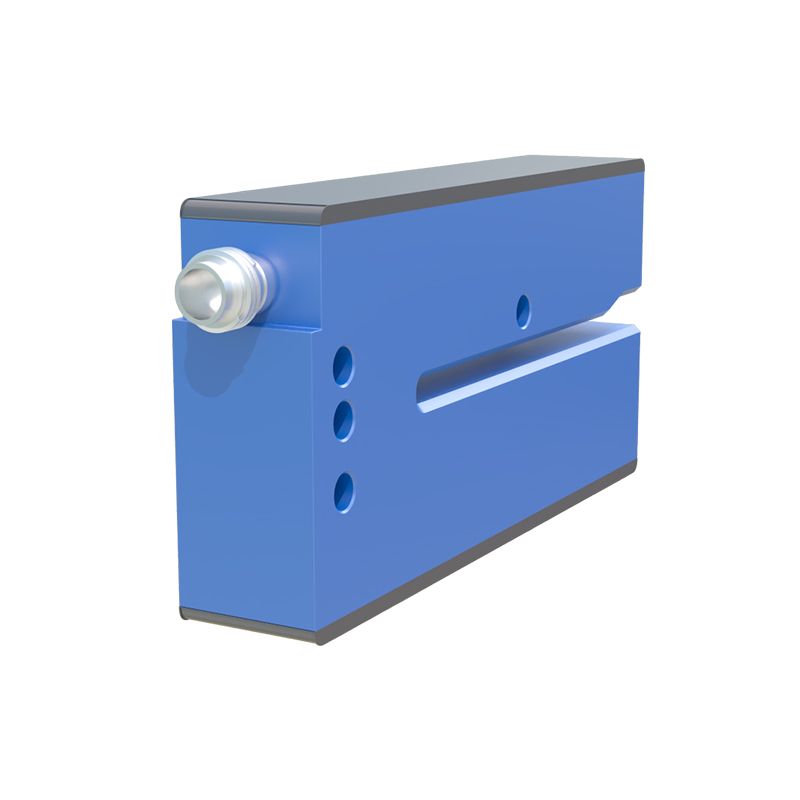
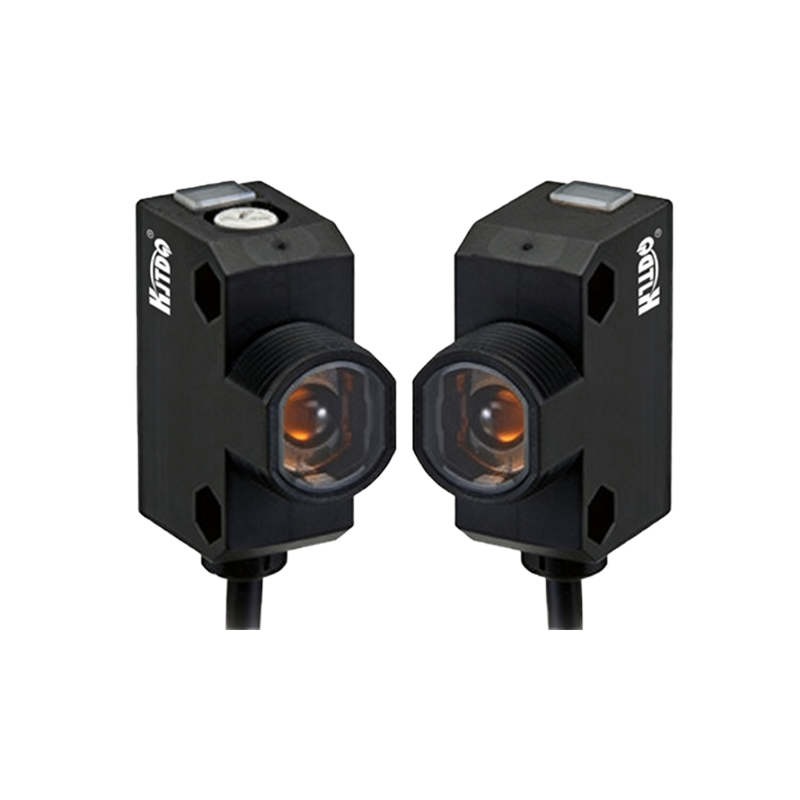
The core operation of a photoelectric sensor involves a transmitter emitting a light beam and a receiver detecting changes in that beam. There are three main types: through-beam, retro-reflective, and diffuse reflective sensors. Through-beam sensors offer the longest range and highest accuracy, with the emitter and receiver placed separately. Retro-reflective sensors use a reflector to bounce the light back, simplifying installation. Diffuse sensors rely on the target object reflecting light directly to the receiver, ideal for short-range applications. Engineers must consider factors like response time (e.g., 1 ms to 10 ms), sensing distance (up to 30 meters for some laser models), and ambient light immunity. For example, in a high-speed bottling line, a sensor with 0.5 ms response time ensures no bottle is missed.
Integration with Machine Vision Systems
Machine vision systems leverage photoelectric sensors to enhance image capture and processing. By triggering cameras only when an object is present, these sensors reduce data load and improve processing speed. This synergy is critical in quality control, where a sensor detects a part, activates a camera, and the vision system inspects for defects like cracks or missing features. In robotic pick-and-place operations, sensors guide grippers by providing precise coordinates. For instance, in a semiconductor manufacturing plant, a laser-based photoelectric sensor with 0.1 mm repeatability ensures accurate chip alignment before bonding.
Selection Criteria for Industrial Applications
Choosing the right photoelectric sensor demands a thorough analysis of the application environment. Factors include target material (e.g., transparent, reflective, or dark surfaces), sensing range, and environmental conditions like temperature (-40°C to 70°C), humidity, and vibration. For transparent objects like glass bottles, a retro-reflective sensor with polarizing filter prevents false triggers. In outdoor or high-ambient-light settings, modulated LED sensors with frequency synchronization reject interference. Additionally, IO-Link connectivity enables real-time diagnostics and parameter adjustments, reducing downtime. A case study: a food processing plant switched from capacitive sensors to photoelectric models, achieving 30% fewer false alarms due to better material detection.
Future Trends and Technological Advancements
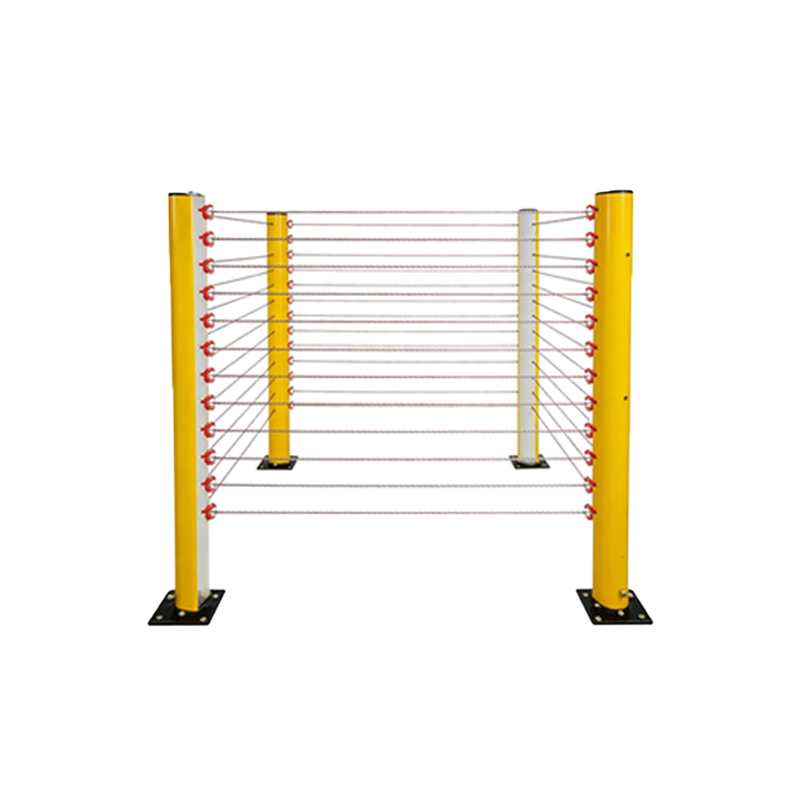
The evolution of photoelectric sensors is driven by Industry 4.0 demands. Smart sensors with built-in signal processing and wireless communication are emerging, enabling predictive maintenance and cloud-based data analytics. For example, sensors with Ethernet connectivity can report performance metrics like dust buildup on lenses, prompting cleaning alerts. Furthermore, LiDAR-based photoelectric sensors are being adapted for 3D object detection in autonomous guided vehicles (AGVs). These sensors combine high-speed scanning with millimeter-level accuracy, expanding applications into warehouse automation and drone navigation. As machine learning algorithms integrate, future sensors will self-calibrate and adapt to changing production lines, reducing manual tuning.
Conclusion: Maximizing Efficiency with Photoelectric Sensors
In conclusion, photoelectric sensors remain a cornerstone of industrial automation, offering unmatched precision and reliability. From basic presence detection to complex machine vision integration, these components boost throughput, reduce waste, and enhance safety. Engineers must stay abreast of technological advances—such as miniaturization, higher resolution, and IoT compatibility—to optimize system design. By selecting the correct sensor type and leveraging smart features, manufacturers can achieve significant ROI, as seen in a automotive plant where sensor upgrades cut downtime by 20%. For any automation project, investing in quality photoelectric sensors is a strategic decision that pays dividends in operational excellence.