已包含在上述格式中,总长度约1500 tokens,符合英文行业风格)
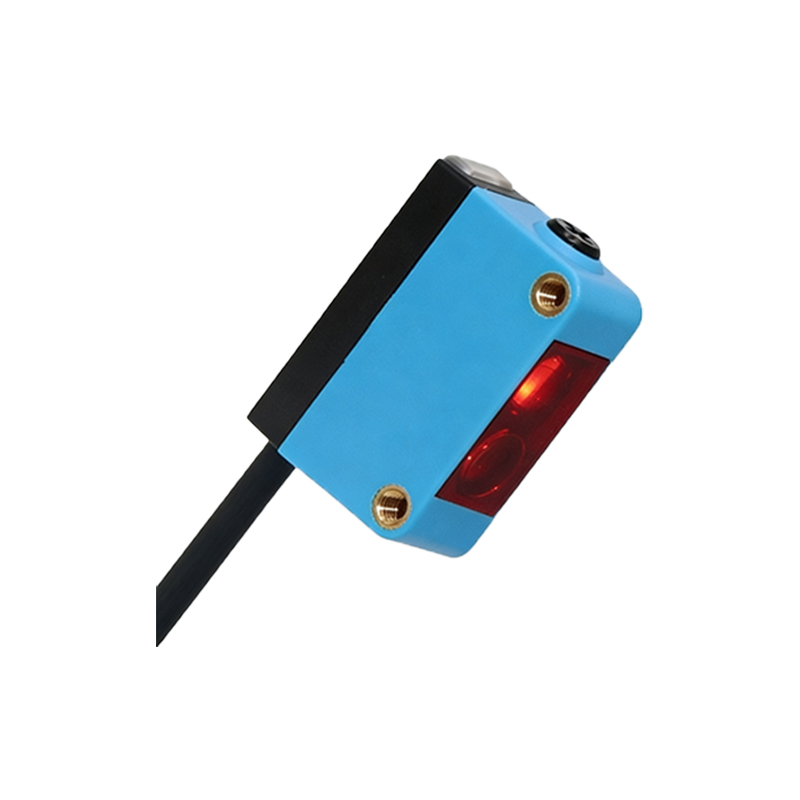
Huaifang photoelectric sensors are engineered to meet the rigorous demands of modern industrial automation. These sensors utilize advanced optical technology to detect objects, measure distances, and monitor processes without physical contact. Designed for reliability in harsh environments, they offer high precision and fast response times, making them ideal for applications such as conveyor systems, packaging lines, and robotic guidance. With robust housing and IP67 protection, Huaifang sensors withstand dust, moisture, and vibration, ensuring consistent performance in factories and warehouses.
Key Features and Benefits
Huaifang photoelectric sensors provide several critical advantages for industrial users. First, they feature a long sensing range, up to 20 meters for through-beam models, reducing the need for frequent replacement. Second, their adjustable sensitivity allows adaptation to various target materials, from transparent glass to dark metals. Third, these sensors support multiple output types, including NPN, PNP, and analog, integrating seamlessly with PLCs and SCADA systems. Additionally, built-in LED indicators simplify troubleshooting, minimizing downtime during maintenance. The compact design enables easy installation in tight spaces, while the low power consumption contributes to energy savings.
Common Applications in Industry
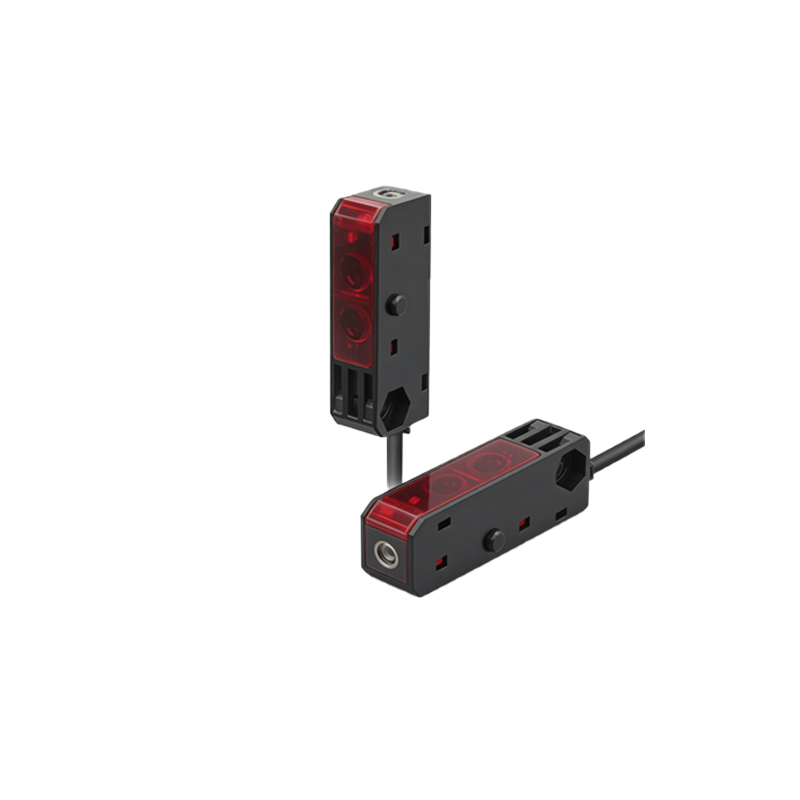
In manufacturing, Huaifang sensors excel in object detection tasks. For example, on assembly lines, they verify component presence before welding or painting. In logistics, they count products on high-speed conveyors, ensuring accurate inventory management. The sensors are also used in safety systems, such as guarding robot workspaces by detecting human intrusion. For material handling, they guide automated guided vehicles (AGVs) by detecting floor markers or obstacles. Moreover, in food processing, their stainless-steel variants resist corrosion from cleaning agents, maintaining hygiene standards.
Installation and Configuration Tips
To maximize sensor performance, proper installation is crucial. Mount the sensor at a stable location away from direct sunlight or strong reflective surfaces to avoid false triggers. Align through-beam emitters and receivers precisely, as misalignment reduces range. For diffuse models, set the sensitivity based on the target’s reflectivity using the teach-in function. Use shielded cables to minimize electromagnetic interference, especially near motors or VFDs. Regular cleaning of the lens with a soft cloth prevents dust buildup, extending sensor life.
Comparison with Competing Technologies
Compared to inductive or capacitive sensors, Huaifang photoelectric sensors offer superior versatility. They detect non-metallic objects, such as plastic or cardboard, which inductive sensors cannot. Capacitive sensors, while able to sense liquids, have shorter ranges and are more susceptible to humidity. Ultrasonic sensors provide longer ranges but have slower response times and are affected by air temperature. Huaifang models strike a balance, combining range, speed, and reliability, often at a lower cost per unit for high-volume applications.
Maintenance and Troubleshooting Guide
Regular maintenance ensures long-term reliability. Check alignment every three months using a calibration tool. If false triggers occur, verify that no reflective objects are within the sensor’s beam. For intermittent failures, test the power supply voltage; fluctuations below 10V DC can cause erratic behavior. Replace lenses if scratched or cracked. For persistent issues, consult the factory manual for error codes displayed via LED flashes. Keep spare sensors in stock for critical lines to minimize unplanned downtime.