Understanding the Three-Wire Photoelectric Sensor
Three-wire photoelectric sensors are essential components in industrial automation, used for detecting objects, distances, and material presence. Unlike two-wire sensors, they require a separate power supply line (typically 10-30V DC), a ground wire, and a signal output wire. The third wire provides distinct advantages, including higher output current capacity (up to 200mA), faster switching frequencies (up to 1kHz), and compatibility with most PLC inputs. Common output types include PNP (sourcing) and NPN (sinking), which must match your controller's input configuration. For example, if your PLC uses sinking inputs, choose an NPN sensor. Always verify the sensor's operating voltage range and current consumption to avoid overloading the power supply.
Key Selection Parameters for Industrial Environments
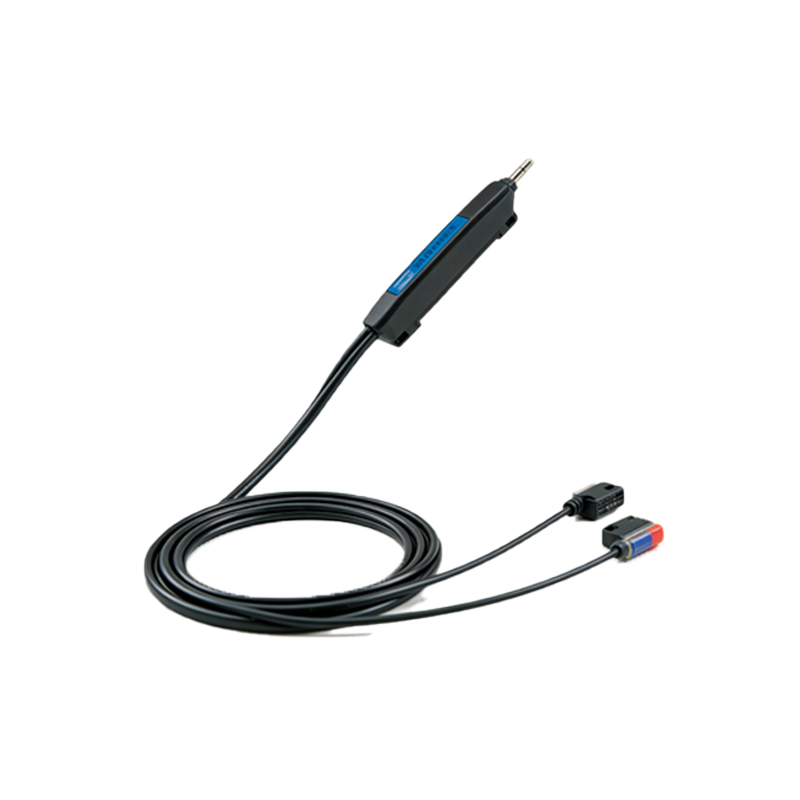
When engineering a sensor selection, prioritize several critical parameters. First, consider sensing distance and detection range. Through-beam sensors offer the longest range (up to 30 meters) but require separate emitter and receiver units. Retro-reflective sensors work for medium ranges (up to 10 meters) and are easier to install. Diffuse sensors are best for short-range applications (up to 1 meter) with consistent background conditions. Second, evaluate the target material and color. Photoelectric sensors can detect metals, plastics, wood, or liquids, but dark or transparent objects may require specialized models, such as those using polarized light or background suppression. For example, a clear bottle detection application often needs a sensor with a coaxial optical system to minimize false triggers.
Environmental and Mechanical Considerations
Industrial settings pose challenges like dust, moisture, vibration, and extreme temperatures. For wet or washdown environments, select sensors with IP67 or IP69K protection ratings. In dusty areas, through-beam sensors are more reliable than diffuse types because they avoid light beam contamination. For high-vibration machinery, choose sensors with robust mounting brackets or vibration-dampening housings. Temperature ratings should exceed your ambient conditions by at least 10°C to avoid failure. Additionally, consider cable length and connector types (e.g., M12 connectors) to simplify installation and maintenance. If the environment has strong electromagnetic interference (EMI), opt for shielded cables or sensors with built-in noise filtering.
Output Logic and Interface Compatibility
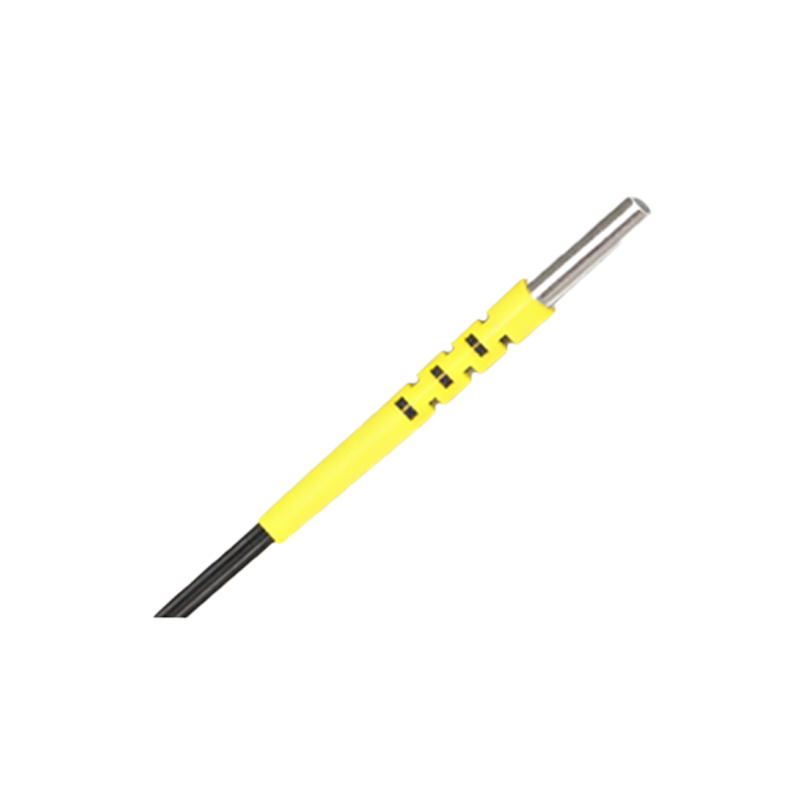
The output signal type directly impacts system integration. Three-wire sensors typically offer NO (normally open) or NC (normally closed) configurations. NO outputs are safer for fail-safe designs, as they indicate no detection when power is lost. NC outputs are useful for detecting sensor faults. For applications requiring precise timing, check the sensor's response time (e.g., 1ms or less for fast-moving objects). If connecting to a PLC, ensure the output voltage level matches the controller's input threshold (usually 24V DC). Some sensors feature additional functions like adjustable sensitivity, time delays, or LED indicators for troubleshooting. For example, a sensor with a teach-in button can simplify calibration in production lines.
Cost-Effectiveness and Long-Term Reliability
While initial cost matters, factor in total cost of ownership. Premium sensors from brands like SICK, Omron, or Banner often feature longer lifespans, better warranties, and easier replacements. For critical applications, avoid generic sensors that may drift over time or fail under stress. Conduct a risk assessment: if a sensor failure could cause a production halt or safety hazard, invest in redundant detection systems or sensors with diagnostic outputs. Also, consider the availability of accessories, like reflectors or mounting kits, to avoid compatibility issues. Finally, test the sensor under real conditions—observe its performance with actual materials, speeds, and ambient light before finalizing the selection.