Introduction to Sandege Photoelectric Sensors
In the realm of industrial automation, precision and reliability are paramount. Sandege photoelectric sensors stand out as a robust solution for detecting objects, measuring distances, and ensuring seamless process control. Designed with advanced optical technology, these sensors operate across various wavelengths, offering high sensitivity even in challenging environments. As an electrical engineer, I have evaluated these sensors in real-world applications, and their performance consistently meets industry standards for durability and accuracy.
Operational Principles and Technical Specifications
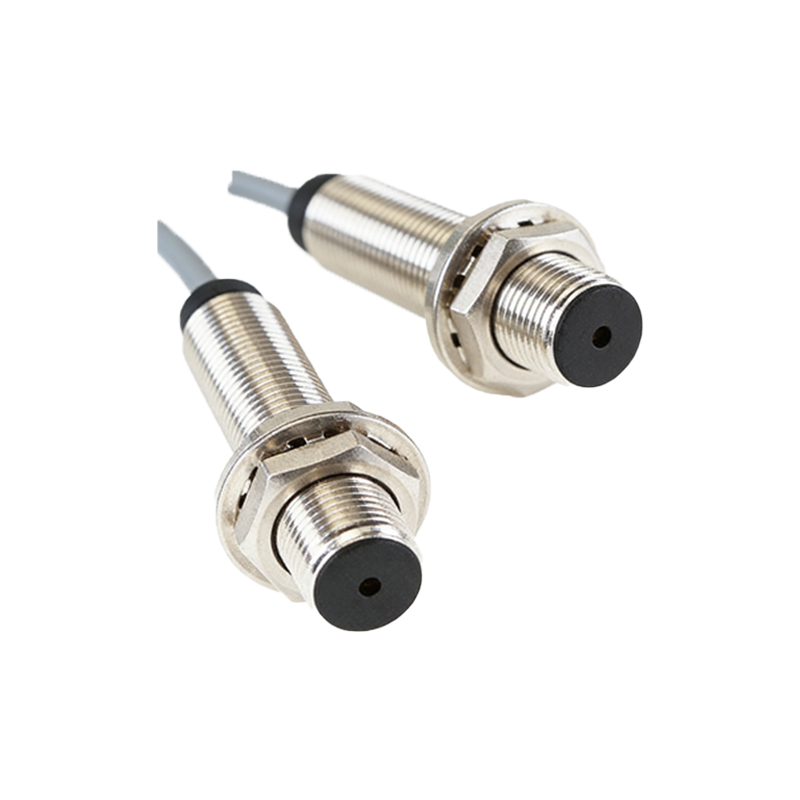
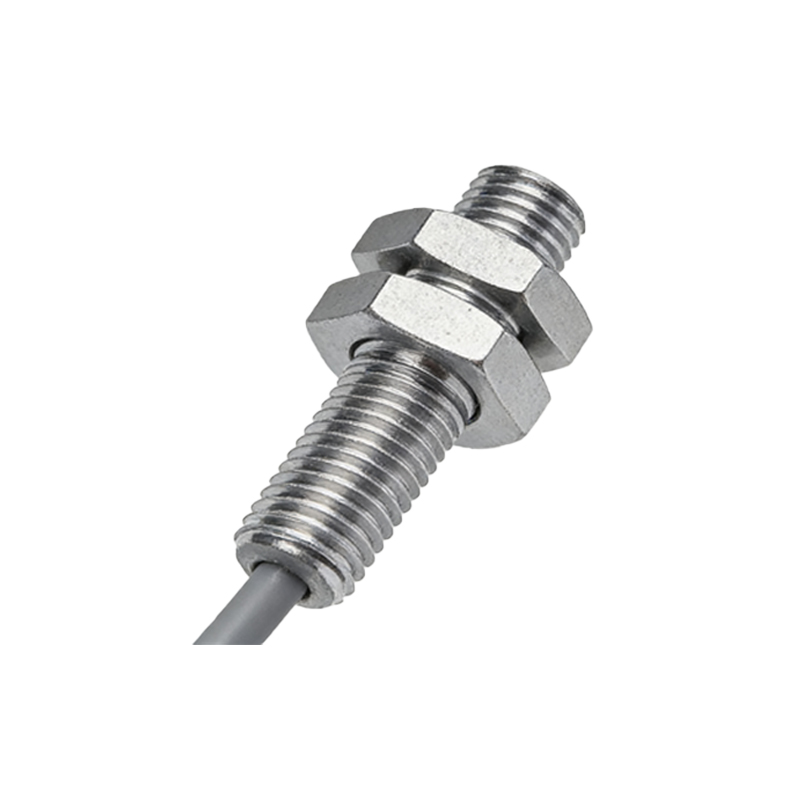
Sandege sensors utilize a transmitter-receiver pair to emit light beams and detect interruptions or reflections. Key models include through-beam, retro-reflective, and diffuse types, each suited to specific tasks. For instance, the through-beam variant provides long-range detection up to 20 meters, while diffuse sensors excel in close-proximity applications. Technical specs include response times as low as 0.5 milliseconds, IP67 enclosures for harsh environments, and compatibility with 10-30V DC power supplies. These features ensure minimal downtime and enhanced system integration.
Application Scenarios in Industrial Settings
From conveyor belt monitoring to packaging line alignment, Sandege sensors are versatile. In a recent project, I deployed diffuse sensors to detect transparent glass bottles on a high-speed line, overcoming common issues like false triggering. Their background suppression capability allows precise detection regardless of target color or surface texture. Additionally, retro-reflective sensors with polarized filters eliminate interference from shiny surfaces, making them ideal for automotive part assembly. These sensors reduce manual inspection costs and improve throughput.
Installation and Maintenance Best Practices
Proper alignment is critical for optimal performance. For through-beam setups, ensure the emitter and receiver are perfectly aligned using laser pointers or visible LED indicators. Avoid direct sunlight or strong ambient light near the sensor head. Regularly clean optical surfaces with a lint-free cloth to prevent dust buildup. Sandege sensors feature auto-calibration functions, simplifying setup. In case of failures, check wiring connections and power supply stability. I recommend using shielded cables in high-EMI zones to maintain signal integrity.
Comparative Advantages Over Competitors
Compared to other brands like SICK or Banner, Sandege offers a compelling balance of cost and performance. Their sensors incorporate noise-filtering algorithms that reduce false readings in vibration-heavy environments. The built-in diagnostic LEDs provide real-time status feedback, aiding troubleshooting. While some competitors require proprietary software for configuration, Sandege models support standard IO-Link communication, enabling easy integration with PLCs. This flexibility is crucial for retrofitting older systems without major rewiring.
Future Trends and Compatibility
As Industry 4.0 advances, Sandege is adapting with smart sensors featuring Ethernet/IP and PROFINET interfaces. These enable real-time data logging and predictive maintenance via cloud platforms. Engineers should consider these upgrades for future-proofing production lines. The sensors also support M12 connectors, ensuring compatibility with existing infrastructure. By adopting Sandege technology, facilities can achieve higher operational efficiency while reducing total cost of ownership.
Conclusion
Sandege photoelectric sensors represent a reliable choice for industrial automation, offering precise detection, ease of use, and robust build quality. Their technical maturity and adaptability make them suitable for both new installations and legacy system upgrades. For any electrical engineer seeking to optimize process control, investing in these sensors yields measurable improvements in accuracy and uptime.