Capacitive proximity sensors are revolutionizing the way we detect and manage rainwater, offering a non-contact, reliable, and highly sensitive alternative to traditional mechanical methods. Unlike mechanical rain gauges or conductive sensors, which rely on physical contact or water bridging a gap, capacitive sensors detect changes in an electrical field. This fundamental principle allows for innovative applications in weather monitoring, smart agriculture, automotive systems, and building automation.
At its core, a capacitive proximity sensor generates an electrostatic field. When a target object—in this case, water droplets or a film of rainwater—enters this field, it alters the sensor's capacitance. Water has a high dielectric constant, meaning it significantly disturbs the electric field, causing a measurable change in the sensor's oscillation or frequency. This change is processed by the sensor's electronics to trigger an output signal. The key advantage is that the sensor does not need to physically touch the water; it can detect it through non-conductive materials like glass, plastic, or protective housings, making it ideal for sealed, maintenance-free systems.
The application of this technology in rainwater harvesting systems is particularly impactful. Sensors can be integrated into tank lids or inlet pipes to monitor water levels without any moving parts submerged in the water. This prevents issues like mechanical float switch jamming or corrosion associated with conductive probes. A capacitive sensor can provide continuous level data, enabling precise control of pumps and valves to optimize storage and usage. Furthermore, by placing a sensor on the outer surface of a gutter or downspout, it can detect the onset and intensity of rainfall by sensing the buildup of water film, triggering the opening of diversion valves to direct initial, potentially contaminated "first flush" water away from the storage tank.
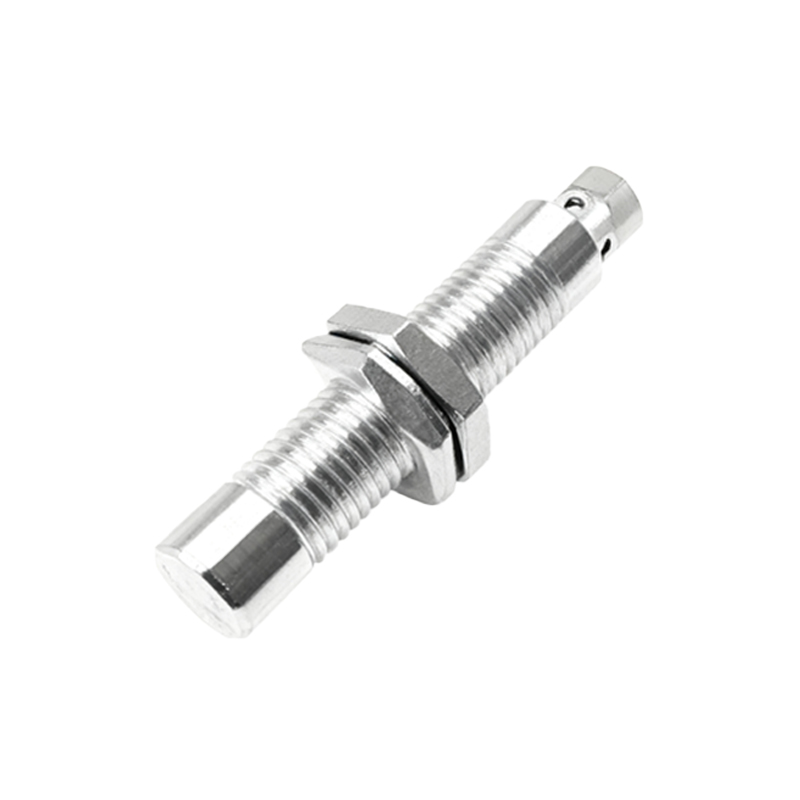
In the automotive industry, capacitive rain sensors have become standard for automatic windshield wiper systems. A sensor patch is attached to the interior of the windshield, emitting an invisible field. When raindrops hit the glass, they change the field's capacitance. The sensor's control unit analyzes the rate and magnitude of these changes to determine rainfall intensity and automatically adjusts wiper speed accordingly. This enhances driver convenience and safety by eliminating manual adjustments during variable rain conditions. The same principle is being explored for detecting water on camera lenses and other critical external sensors in autonomous vehicles.
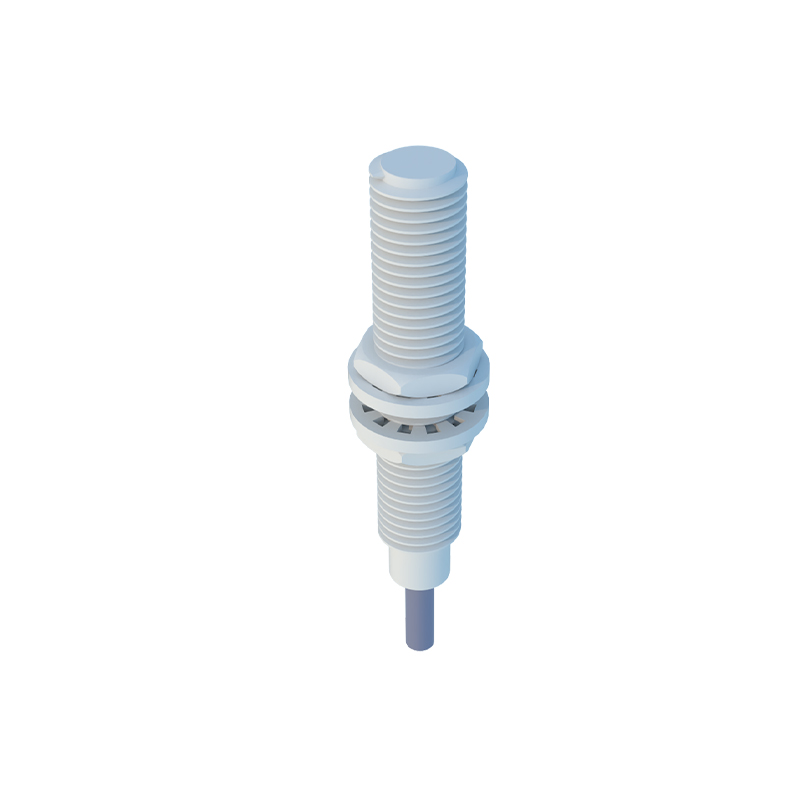
For precision agriculture and smart gardening, capacitive soil moisture sensors are widely used. However, capacitive rain sensors placed above ground complement this data. They can differentiate between light dew, drizzle, and heavy rain, providing crucial information for irrigation controllers. This prevents unnecessary watering during or after rainfall, conserving water and promoting healthier plant growth. Integrated into weather stations, these sensors offer more durable and responsive rainfall detection compared to traditional tipping-bucket gauges, which can underestimate light rain or require regular cleaning.
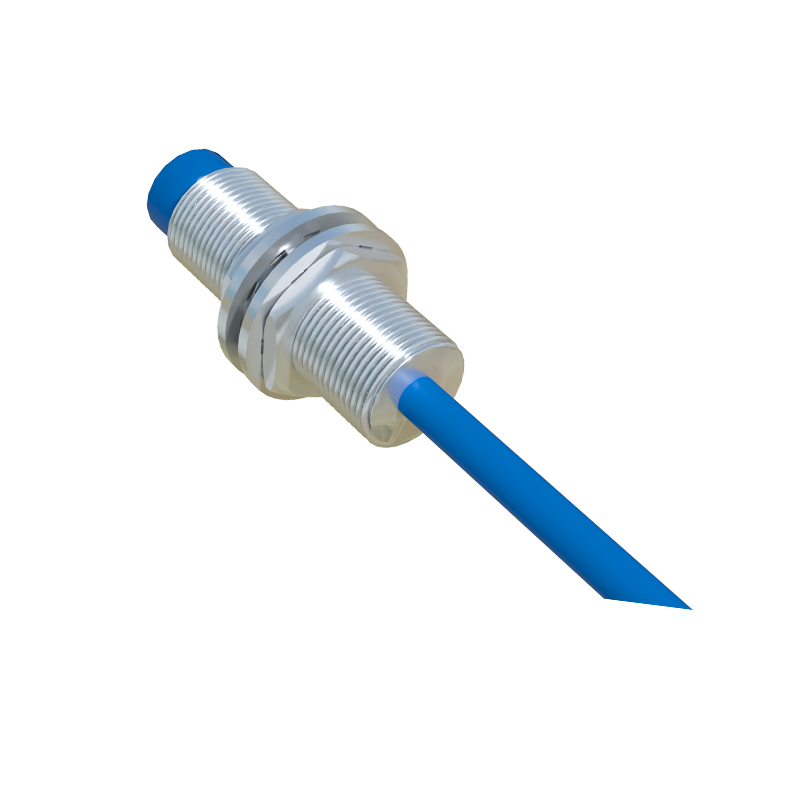
The benefits of using capacitive sensors for rainwater detection are numerous. Their non-contact nature ensures long-term reliability and reduces maintenance, as there are no parts exposed to wear or corrosion from water. They are highly sensitive, capable of detecting even a few droplets or a thin film of water. Their ability to sense through barriers allows for completely sealed and waterproof designs, crucial for harsh outdoor environments. Additionally, they are immune to the color or optical properties of water, unlike some optical sensors that can be fooled by condensation or dirt.
Design considerations are important for optimal performance. The sensor's electrode design and the dielectric properties of the protective cover material directly influence sensitivity and range. Calibration is essential to distinguish between rainwater and other environmental changes like humidity or temperature shifts. Shielding the sensor from unintended electromagnetic interference is also critical to ensure stable readings. When integrated into IoT systems, these sensors can wirelessly transmit data to cloud platforms, enabling real-time monitoring, historical analysis, and automated responses across entire smart city drainage or water management networks.
In conclusion, capacitive proximity sensing provides a sophisticated, robust, and versatile method for detecting and responding to rainwater. From enabling smarter water conservation in homes and farms to increasing safety and automation in vehicles and cities, this technology represents a significant step forward. As the Internet of Things continues to expand and the need for efficient resource management grows, the role of capacitive sensors in intelligent rainwater detection and management will only become more central and transformative.