Introduction to Slot Type Infrared Photoelectric Sensors
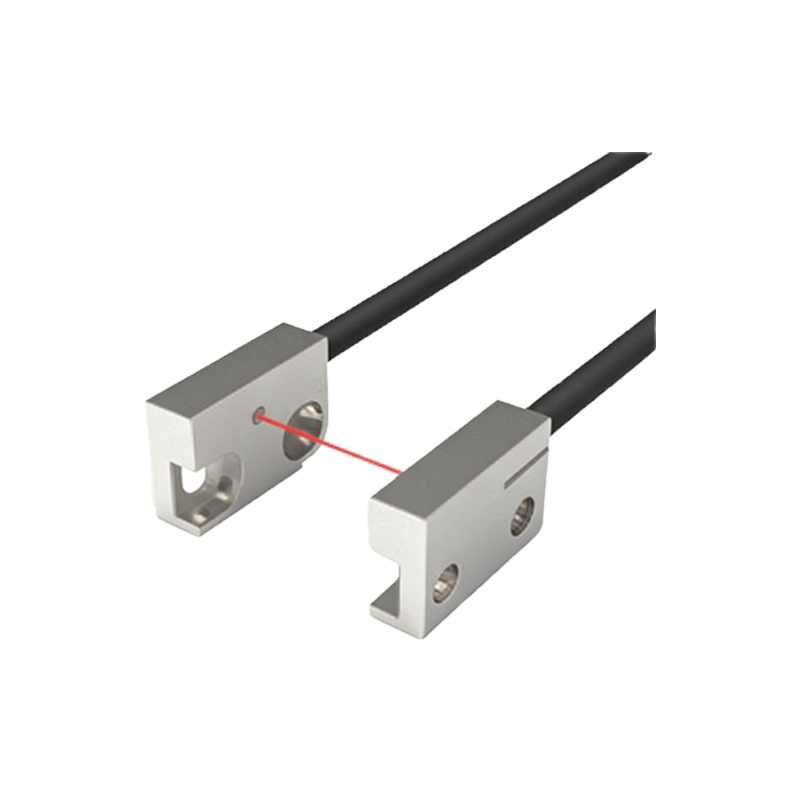
Slot type infrared photoelectric sensor switches, often referred to as through-beam or fork sensors, are fundamental components in modern industrial automation and control systems. These devices operate on a simple yet highly effective principle: an infrared emitter and a receiver are housed in opposing arms of a U-shaped or "forked" housing, creating a precise detection slot. When an object passes through this slot, it interrupts the infrared light beam, triggering a switching action. This non-contact detection method offers significant advantages over mechanical limit switches, including higher reliability, faster response times, and no physical wear from contact. Engineers across sectors from packaging and material handling to printing and security rely on these sensors for precise object detection, counting, and positioning tasks. Their robust design allows them to function effectively in environments with dust, vibration, and varying light conditions, making them a versatile solution for demanding applications.
Core Operating Principle and Components
The functionality of a slot sensor hinges on the precise modulation and detection of infrared light. The emitter side contains an infrared Light Emitting Diode (LED) that produces a focused beam of light, typically modulated at a specific frequency (e.g., several kHz). This modulation is crucial as it allows the receiver circuit to distinguish the sensor's own signal from ambient light, dramatically improving noise immunity and stability. The receiver side houses a phototransistor or photodiode tuned to the emitter's frequency. When the beam is uninterrupted, the receiver detects the modulated signal, and the sensor's output remains in its normal state (either ON or OFF, depending on the logic). The moment an object enters the slot and breaks the beam, the signal is lost, causing the output to switch. The housing precisely aligns the optical components and defines the slot's width and sensing depth, which are critical specifications for application suitability.
Key Specifications and Selection Criteria
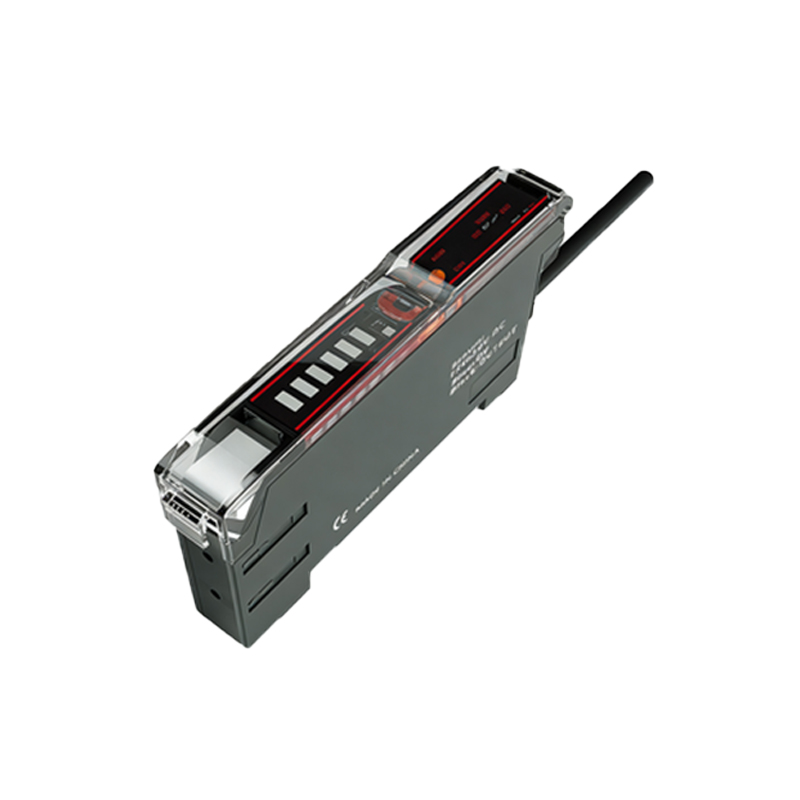
Selecting the appropriate slot sensor requires careful analysis of several technical parameters. The slot width and depth determine the maximum size of the object that can pass through and the required mounting distance. The sensing object minimum width is vital for detecting small items like thin wires or PCB tabs. Response time, often in microseconds, defines how fast the sensor can detect an object and change its output state, critical for high-speed counting or sorting. Output configuration is another key choice; models offer NPN or PNP transistor outputs, normally open (NO) or normally closed (NC) contacts, and sometimes analog or relay outputs. The operating voltage range (commonly 10-30V DC) must match the control system's supply. Environmental ratings like Ingress Protection (IP) codes (e.g., IP67) indicate resistance to dust and water, while housing material (often plastic or metal) is chosen based on mechanical stress and chemical exposure.
Advantages Over Other Sensor Types
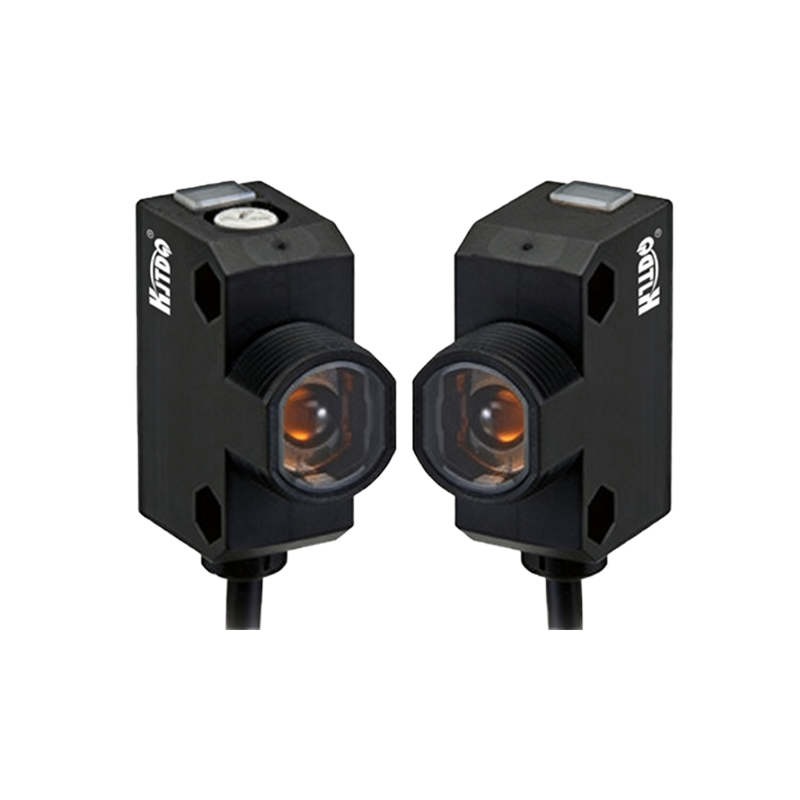
Slot sensors provide distinct benefits compared to alternative sensing technologies like diffuse-reflective or retro-reflective photoelectric sensors. Their primary advantage is consistent and highly reliable detection. Because the emitter and receiver are pre-aligned in a fixed housing, alignment issues are eliminated, ensuring a stable operating point without the need for calibration. The through-beam principle allows for the detection of virtually any object, regardless of its color, surface texture, or material, as long as it is opaque enough to interrupt the beam. They offer the longest sensing ranges for their size and are less susceptible to false triggers from shiny or reflective target surfaces—a common challenge with diffuse sensors. This makes them ideal for applications requiring high precision and unwavering reliability.
Common Industrial Applications
The application spectrum for slot type infrared sensors is remarkably broad. In packaging machinery, they are ubiquitous for detecting the presence of a product on a conveyor, verifying flap closure on boxes, or counting items. Within printers and copiers, they monitor paper presence, detect jams, and ensure precise paper registration. In automated assembly lines, they confirm the passage of components, control the indexing of parts, and provide safety interlocking for guards. They are also extensively used for rotary encoding and speed measurement by detecting slots or teeth on a rotating wheel. Further applications include detecting broken tools in CNC machinery, monitoring liquid levels in transparent tubes, and facilitating tamper detection in security systems.
Installation, Alignment, and Maintenance Tips
Proper installation is paramount for optimal performance. While the fixed alignment of the slot simplifies setup, ensuring the target object passes cleanly through the beam without grazing the housing is essential. The sensor must be securely mounted to resist vibration that could cause physical damage or misalignment over time. Electrical connections should be made according to the datasheet, with attention to polarity, load current, and the use of surge suppression for inductive loads. Maintenance is generally minimal due to the non-contact nature. However, keeping the optical lenses clean from dust, oil, or debris is critical, as contamination can attenuate the infrared beam and reduce sensing reliability. Periodic functional checks are recommended as part of a preventive maintenance schedule.
Troubleshooting Common Issues
When a slot sensor malfunctions, a systematic approach to troubleshooting is required. The most common issue is failure to detect an object. This can be caused by misalignment (though rare with slot types), severe lens contamination, a damaged housing from impact, or an object that is transparent to infrared light. Electrical problems include incorrect wiring, a blown fuse, or a voltage supply outside the specified range. If the sensor triggers erratically, potential causes include electrical noise interference, exposure to strong ambient light (like sunlight) directly into the slot, or vibration causing momentary beam breaks. Using an oscilloscope to check for the modulated signal at the receiver or a simple LED indicator check (on many models) can quickly isolate whether the issue is optical or electrical.
Future Trends and Technological Developments
The evolution of slot type infrared sensors continues, driven by demands for miniaturization, intelligence, and connectivity. Modern sensors are becoming smaller, allowing for installation in tighter spaces while maintaining or improving performance. Integrated diagnostic capabilities, such as IO-Link communication, are becoming more common. This allows sensors to transmit not just a switch signal but also operational parameters like signal strength, temperature, and operating hours to a central controller for predictive maintenance. Enhanced resistance to extreme environmental factors, such as wider temperature ranges and resistance to specific chemicals, is also a focus. Furthermore, the integration of background suppression technology in some advanced slot sensors allows them to ignore objects beyond a set distance within the slot, adding another layer of application specificity.