Introduction to Square High-Precision Proximity Sensors
In the realm of industrial automation, the demand for reliable, accurate, and robust sensing solutions is paramount. Square high-precision proximity switch sensors have emerged as a critical component in this landscape. Unlike their cylindrical counterparts, these sensors offer a distinct form factor that facilitates easier installation and integration into machinery with limited space or specific mounting requirements. Engineered to detect the presence or absence of an object without physical contact, they utilize electromagnetic fields, capacitive principles, or ultrasonic technology. The square design not only enhances mechanical stability but also allows for more efficient use of panel space, making them ideal for high-density control cabinets and automated assembly lines. Their precision is measured in micrometers, ensuring that even the slightest positional change of a target is registered, which is vital for processes requiring exact timing and placement.
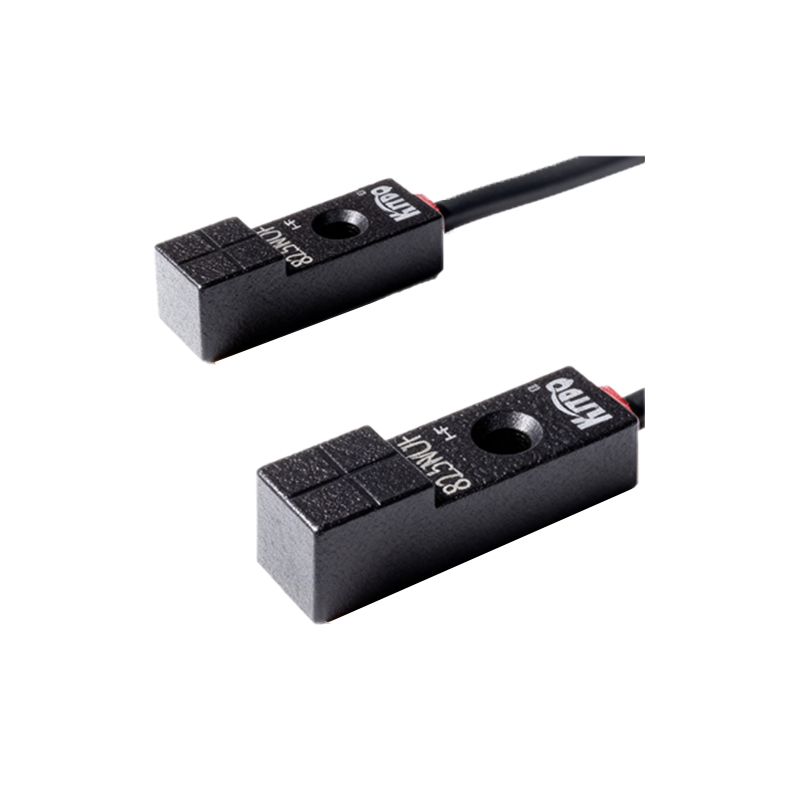
Core Operating Principles and Technologies
The high precision of these sensors is rooted in advanced operating principles. Inductive square proximity sensors are predominantly used for detecting metallic objects. They generate an oscillating electromagnetic field from a coil within the sensor's face. When a ferrous or non-ferrous metal target enters this field, it induces eddy currents, causing a change in oscillation amplitude. This change is detected by the sensor's circuitry, triggering a solid-state output signal. Capacitive variants, on the other hand, can detect both metallic and non-metallic materials, including liquids and plastics, by sensing changes in capacitance between the sensor and the target. The square housing often incorporates shielding to minimize electromagnetic interference from adjacent machinery, ensuring signal integrity. Furthermore, modern iterations feature embedded microprocessors that allow for temperature compensation, drift correction, and programmable sensing ranges, pushing the boundaries of accuracy and repeatability.
Key Design Features and Mechanical Advantages
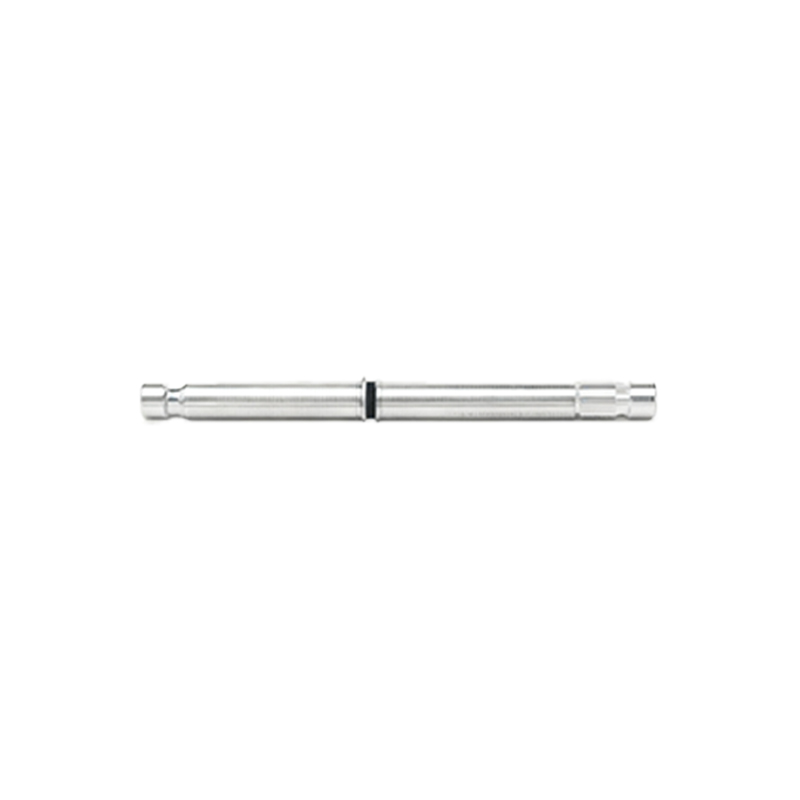
The square configuration provides several inherent design benefits. The flat sensing face offers a larger active area compared to some cylindrical models, which can improve detection consistency for oddly shaped targets. The housing is typically constructed from nickel-plated brass, stainless steel, or ruggedized PBT plastic, ensuring high ingress protection ratings like IP67 or IP69K for resistance to dust, water, and chemical splashes. Mounting is simplified via integrated threaded holes or bracket systems, allowing for flush or non-flush installation in machined slots. Many models feature LED status indicators for quick diagnostics and adjustable sensitivity potentiometers for fine-tuning in the field. The compact, square shape also enables side-by-side mounting without signal crosstalk, a crucial factor in multi-sensor applications like material handling or robotic end-effector tooling.
Application Spectrum in Industrial Automation
Square high-precision proximity sensors find extensive use across diverse industrial sectors. In automotive manufacturing, they are deployed for precise part positioning in robotic welding cells and for verifying the presence of components on conveyor pallets. The packaging industry relies on them for high-speed bottle cap detection and fill level control, where millimeter accuracy is non-negotiable. In semiconductor fabrication, these sensors perform critical tasks in wafer handling robots, ensuring sub-micron alignment. Their robustness also makes them suitable for harsh environments, such as metal stamping presses where they monitor die position, or in agricultural machinery for detecting implement position. The ability to interface directly with PLCs, PACs, and industrial networks via IO-Link or analog outputs further extends their utility in Industry 4.0 smart factories, enabling predictive maintenance and data logging.
Selection Criteria and Installation Best Practices
Selecting the appropriate square high-precision sensor requires careful consideration of several parameters. The sensing distance, typically specified as the nominal range (Sn), must be chosen with a safety margin to account for target material, size, and environmental conditions. The output type—PNP, NPN, analog, or IO-Link—must match the control system's input card specifications. Engineers must also verify the sensor's switching frequency to ensure it can keep pace with the application's cycle time. For installation, it is imperative to follow the manufacturer's guidelines regarding mounting clearances to prevent mutual interference between adjacent sensors. The target material, shape, and approach direction significantly influence performance; thus, preliminary testing under actual operating conditions is recommended. Proper shielding of cabling and adherence to EMC standards are essential to mitigate electrical noise in high-power environments.
Future Trends and Technological Evolution
The future of square high-precision proximity sensors is intertwined with the advancement of industrial IoT and miniaturization. We are witnessing a trend towards sensors with integrated intelligence, capable of self-monitoring health parameters like temperature drift or lens contamination and communicating this data via industrial Ethernet protocols. The development of multi-functional sensors that combine proximity sensing with temperature measurement or vibration