Introduction to Long Bridge Photoelectric Sensors
Long Bridge photoelectric sensors represent a significant advancement in industrial sensing technology, offering enhanced performance and reliability for demanding applications. These sensors utilize a unique optical design, often characterized by a longer optical path or bridge structure, which improves their ability to detect objects with high precision over greater distances or in challenging environmental conditions. Unlike standard photoelectric sensors, the Long Bridge variant is engineered to minimize the effects of ambient light interference, dust, and moisture, making them indispensable in sectors such as packaging, material handling, automotive manufacturing, and logistics. Their core principle remains the emission of a light beam—typically infrared, visible red, or laser—and the detection of its presence, absence, or reflection from a target object.
Core Operating Principles and Technology
The fundamental operation of a Long Bridge photoelectric sensor is based on three primary modes: through-beam, retro-reflective, and diffuse reflective. In through-beam mode, the emitter and receiver are separate units; an object is detected when it interrupts the light beam traveling between them. This mode offers the longest sensing range and highest reliability. The "Long Bridge" design often enhances this by providing a more collimated and stable beam. Retro-reflective mode uses a single unit with both emitter and receiver, along with a reflector. The sensor detects an object when it blocks the beam reflected back from the reflector. Diffuse reflective mode, also a single-unit design, detects light reflected directly off the target object itself. Advanced models incorporate background suppression or foreground suppression technologies, allowing them to ignore objects beyond or before a set distance, a feature particularly robust in Long Bridge designs.
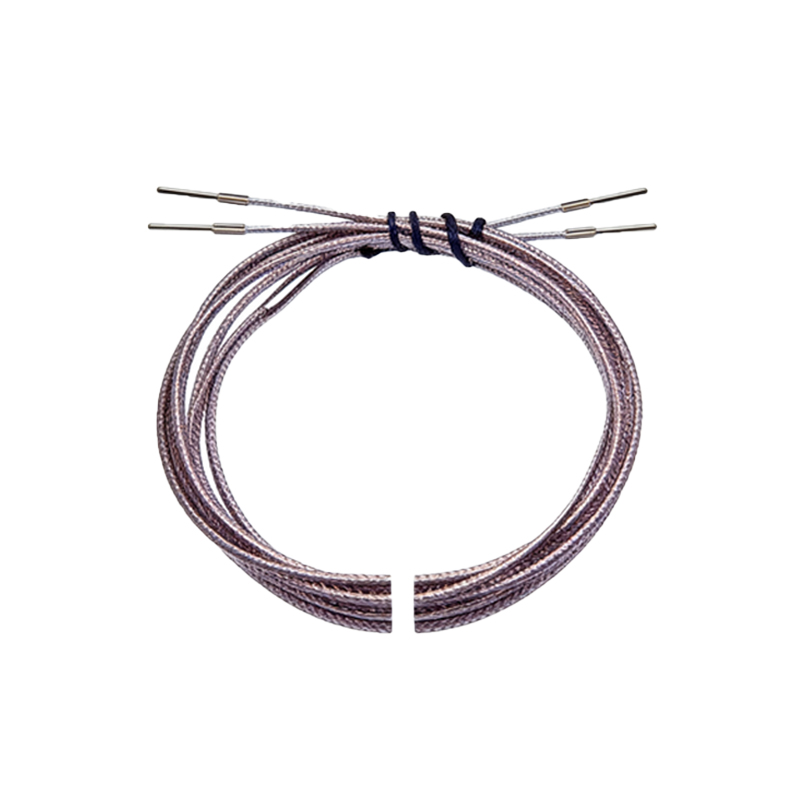
Key Advantages and Performance Characteristics
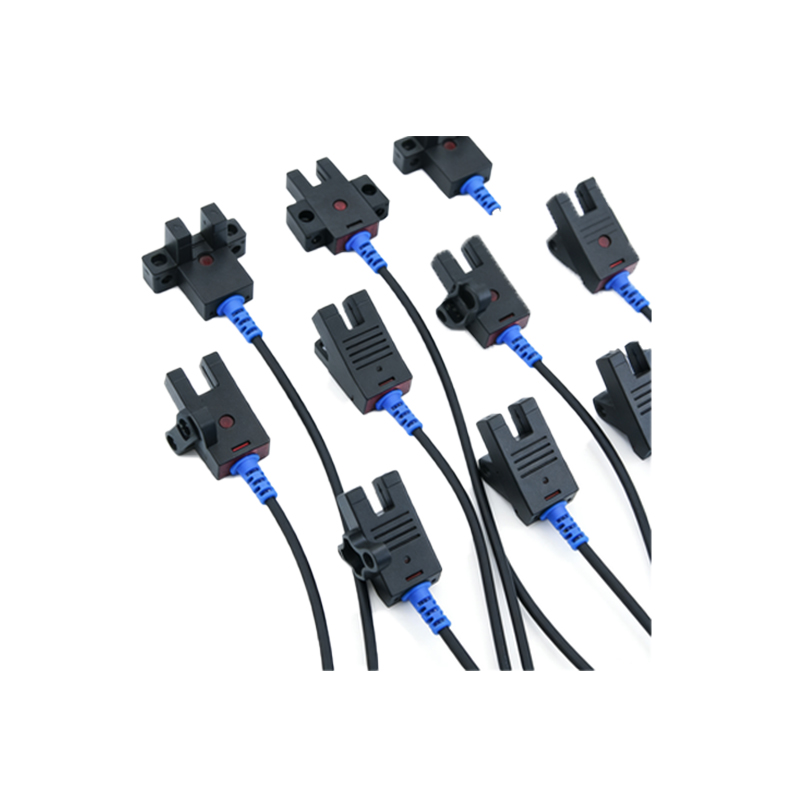
The defining advantages of Long Bridge photoelectric sensors stem from their sophisticated optical engineering. They typically exhibit extended sensing ranges compared to conventional sensors, sometimes doubling or tripling the effective distance for reliable detection. This is crucial for large-scale automation systems. Their enhanced signal-to-noise ratio ensures stable operation even in environments with high levels of ambient light from factory lamps or sunlight. Furthermore, their design often provides superior resistance to optical fouling; dust, condensation, or minor contaminants on the lens have a reduced impact on performance. Many models feature robust housings rated IP67, IP68, or IP69K, ensuring durability against water, oils, and physical impacts. The precision offered by these sensors enables their use in critical applications like precise positioning, small part detection, and transparent object sensing.
Typical Industrial Applications and Use Cases
In practical industrial settings, Long Bridge photoelectric sensors solve complex detection challenges. On high-speed packaging lines, they accurately detect the presence, position, or tear of transparent films and clear bottles, ensuring packaging integrity. In automotive assembly, they are used for robot guidance, verifying the placement of components within body panels. Material handling systems rely on them for precise pallet positioning, box counting on conveyors, and edge guidance control. Within the electronics industry, they detect minute components on PCBs or verify connector insertion. Their long-range capability makes them ideal for large-area monitoring, such as detecting vehicles in automated storage and retrieval systems (AS/RS) or monitoring the fill level in large silos or containers.
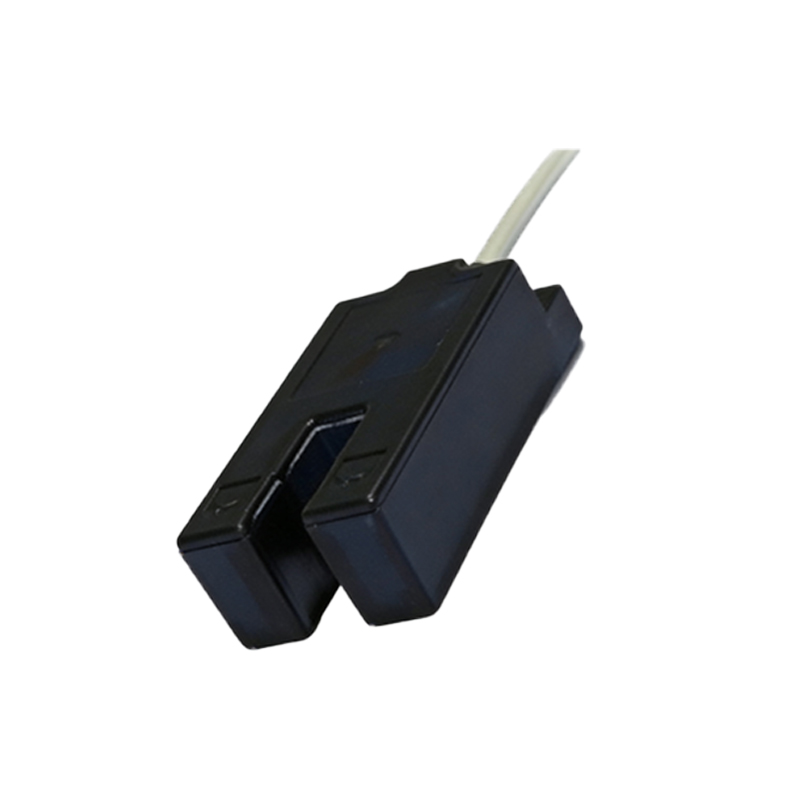
Selection Criteria and Installation Considerations
Selecting the appropriate Long Bridge photoelectric sensor requires careful analysis of the application parameters. Key factors include the required sensing distance, the size, color, and material of the target object, and the required response speed. The environmental conditions—temperature, presence of dust, moisture, or corrosive chemicals—dictate the necessary ingress protection (IP) rating and housing material (e.g., stainless steel or specialized plastics). The output type (PNP/NPN, analog, IO-Link) must be compatible with the control system. During installation, precise alignment is paramount for through-beam and retro-reflective types. Mounting stability must be ensured to prevent vibration-induced misalignment. Regular maintenance, primarily lens cleaning, is recommended to sustain optimal performance, although the Long Bridge design inherently reduces maintenance frequency.
Future Trends and Integration with Industry 4.0
The evolution of Long Bridge photoelectric sensors is closely tied to the rise of Industry 4.0 and smart manufacturing. Modern sensors are increasingly equipped with advanced communication interfaces like IO-Link, which enables the bidirectional exchange of data beyond simple on/off signals. This allows for remote configuration, real-time monitoring of sensor health (predictive maintenance), and the transmission of process parameters such as signal strength. Integration with industrial Ethernet protocols (EtherNet/IP, PROFINET, EtherCAT) facilitates seamless connectivity within larger automation architectures. Future developments may include enhanced embedded intelligence for self-diagnosis and adaptive sensing, further miniaturization without compromising range, and even greater resilience in extreme industrial environments, solidifying their role as a cornerstone of automated sensing.