Introduction to Slot Type Photoelectric Sensors
Slot type photoelectric sensors, often referred to as through-beam sensors in a compact form, are fundamental components in modern industrial automation. These devices consist of an integrated transmitter and receiver facing each other across a small gap or "slot." The transmitter emits a beam of light, typically infrared or visible red, which is received by the opposing photodetector. An object is detected when it passes through this slot, interrupting the light beam. This simple yet effective principle makes them indispensable for precise object detection, counting, and positioning tasks in high-speed and demanding environments. Their self-contained, opposed arrangement provides high reliability and immunity to environmental factors like target color, reflectivity, or surface finish, offering a significant advantage over diffuse reflective sensors.
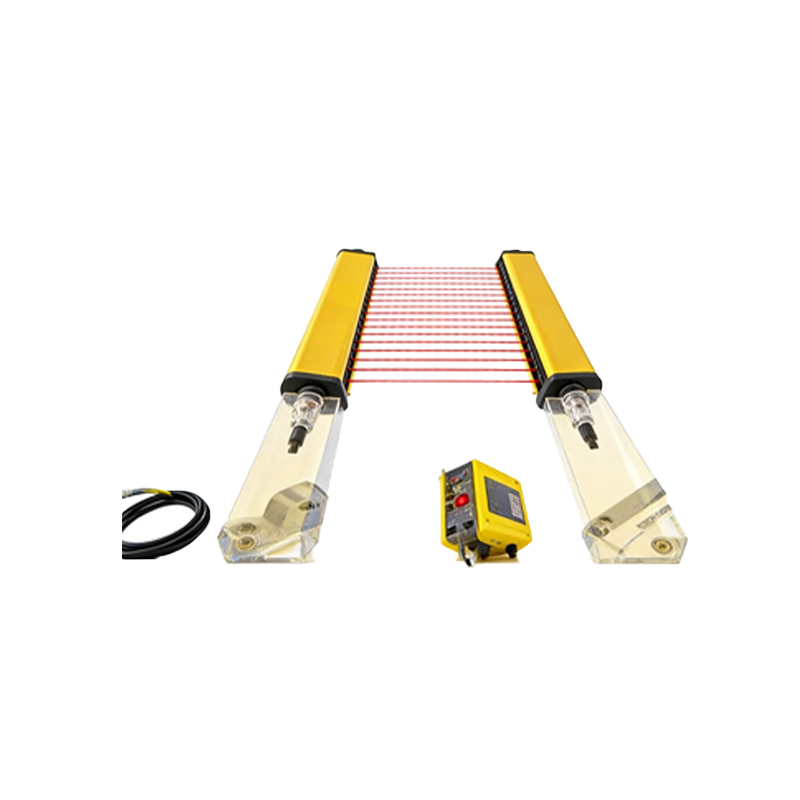
Key Features and Technical Specifications of LONGRUN Models
LONGRUN slot type photoelectric sensors are engineered for robustness and consistent performance. Key features often include a compact, durable housing designed to withstand industrial vibrations and shocks. Many models offer a modulated LED light source, which enhances immunity to ambient light interference, allowing for stable operation even under bright factory lighting. Typical technical specifications encompass a fast response time, often in the microsecond range, enabling detection of very small or rapidly moving objects. The sensing slot width is a critical parameter, with LONGRUN providing a range of sizes to accommodate different object dimensions. Additionally, these sensors commonly feature both light-on and dark-on output logic options, NPN or PNP transistor outputs, and often an indicator LED for easy status monitoring, facilitating seamless integration into various control systems.
Primary Applications in Industrial Settings
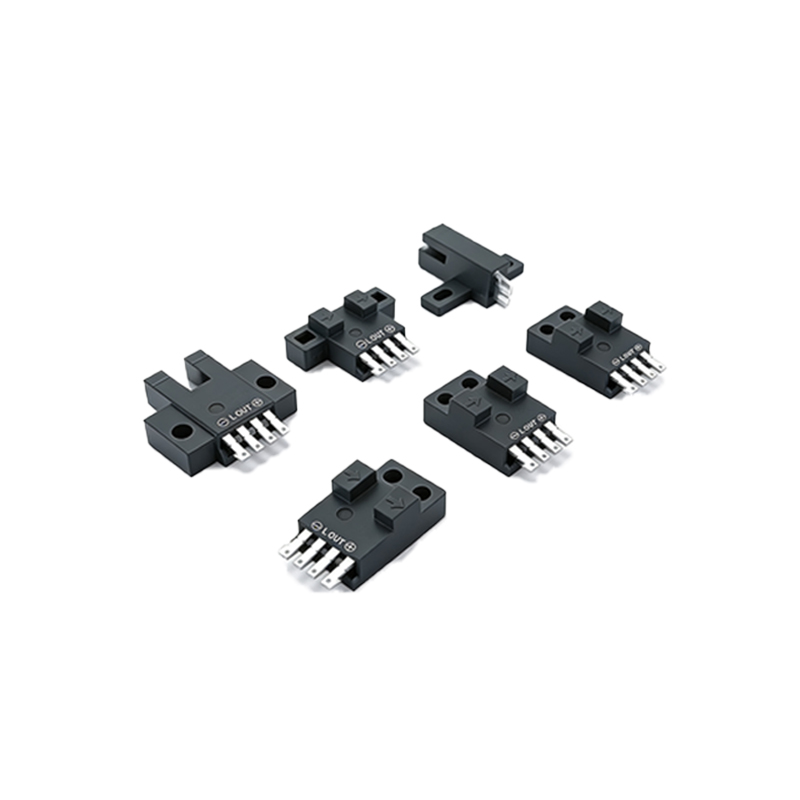
The application scope for LONGRUN slot sensors is vast across the automation landscape. They are extensively used in packaging machinery for detecting the presence of labels, tabs, or missing products on conveyor lines. In the printing industry, they perform critical tasks such as paper jam detection, sheet counting, and registration mark sensing. Assembly lines utilize them to verify the presence of small components like screws, springs, or electronic chips before further processing. Furthermore, they are integral in textile machinery for thread break detection and in vending machines for coin or product validation. Their ability to detect transparent objects, like glass or clear plastic films, when equipped with high-intensity beams, expands their utility in pharmaceutical and food & beverage packaging.
Advantages Over Other Sensing Technologies
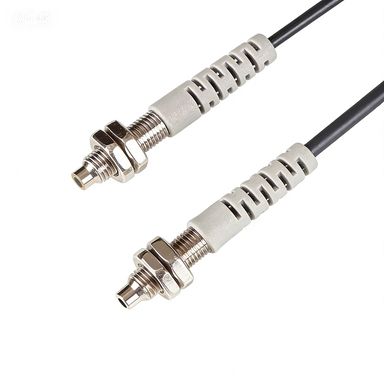
Compared to other photoelectric sensing modes, slot type sensors offer distinct benefits. Unlike diffuse sensors, which rely on light reflected from the target, slot sensors are not affected by the target's color or reflectivity, ensuring consistent detection of objects with varying surfaces. This leads to fewer false triggers and higher reliability. Compared to separate emitter-receiver through-beam systems, the slot-type's integrated design simplifies installation and alignment, as the optical axes are permanently and precisely fixed during manufacturing. This eliminates the tedious and error-prone process of aligning two separate units, saving significant time during setup and maintenance. Their compact form factor also allows for installation in space-constrained locations where a standard through-beam setup would be impractical.
Installation, Alignment, and Maintenance Best Practices
Proper installation is crucial for optimal performance. The sensor should be mounted securely to minimize vibration, ensuring the sensing slot is aligned perpendicular to the direction of object travel. It is vital to ensure that the target object passes completely through the slot to reliably interrupt the beam. For maintenance, regular cleaning of the lens surfaces with a soft cloth is recommended to prevent dust, oil, or debris accumulation that could attenuate the light signal. Users should periodically verify the sensor's operation and check the indicator LED. When integrating into a circuit, attention must be paid to the correct wiring of the power supply, load, and output type (NPN/PNP) according to the datasheet to prevent damage. Implementing these practices maximizes sensor lifespan and system uptime.
Selecting the Right LONGRUN Slot Sensor
Selecting the appropriate model requires careful consideration of several application parameters. The primary factor is the physical size of the object to be detected, which determines the necessary slot width and depth. The required response speed must match or exceed the machine's cycle time. Environmental conditions such as temperature extremes, potential exposure to chemicals, or washdown requirements dictate the needed ingress protection (IP) rating of the housing. The material composition of the target object (opaque, transparent, etc.) influences the choice of beam intensity. Finally, the electrical interface must be compatible with the existing PLC or controller, specifying the correct output configuration and voltage rating. Consulting LONGRUN's detailed product catalogs and technical support is advised for optimal selection.
Future Trends and Integration with Industry 4.0
The evolution of slot type photoelectric sensors is closely tied to the advancement of Industry 4.0 and smart manufacturing. Future LONGRUN sensors are expected to feature enhanced connectivity options, such as IO-Link, which enables digital communication beyond simple switching signals. IO-Link allows for parameter setting, real-time monitoring of operating status (like signal strength), and predictive maintenance alerts directly from the sensor to the control system. This intelligence helps in reducing downtime and optimizing processes. Integration with networked systems will facilitate easier configuration and data logging. Additionally, ongoing improvements in LED technology and circuit design will lead to sensors with even longer ranges, higher precision, lower power consumption, and greater resistance to harsh industrial environments, solidifying their critical role in automated systems.