Introduction to Through-Beam Photoelectric Sensors
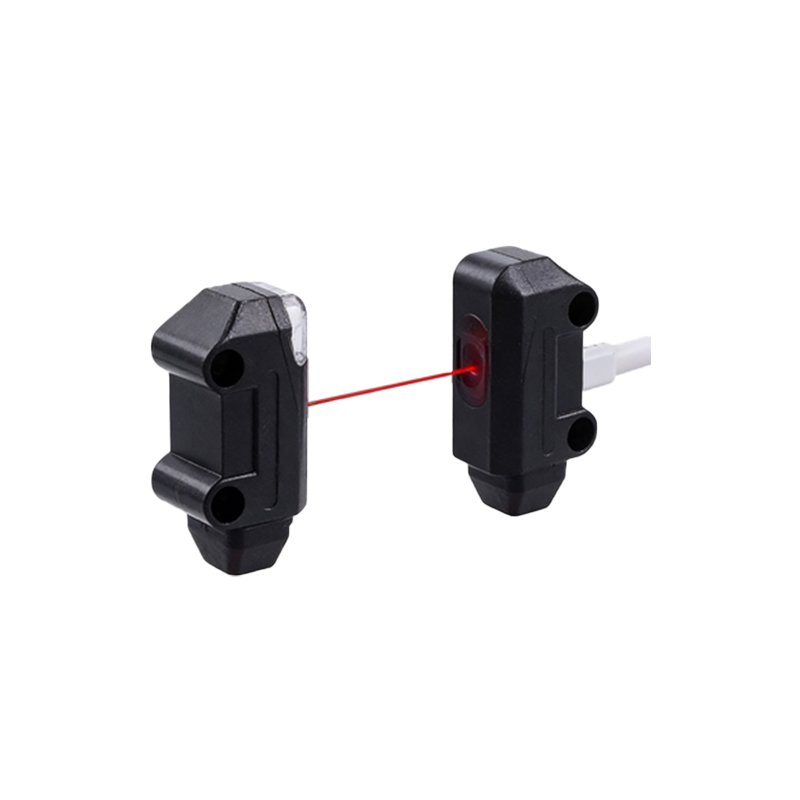
Through-beam photoelectric sensors, also known as opposed-mode sensors, are widely used in industrial automation for object detection, counting, and positioning. They consist of two separate units: a transmitter that emits a light beam (typically infrared, visible red, or laser) and a receiver that detects the beam. When an object interrupts the light beam, the sensor triggers a signal. These sensors are known for their long sensing ranges, high reliability, and immunity to environmental factors like dust or color variations, making them ideal for demanding applications in manufacturing, packaging, and material handling.
Key Factors Influencing Sensor Pricing
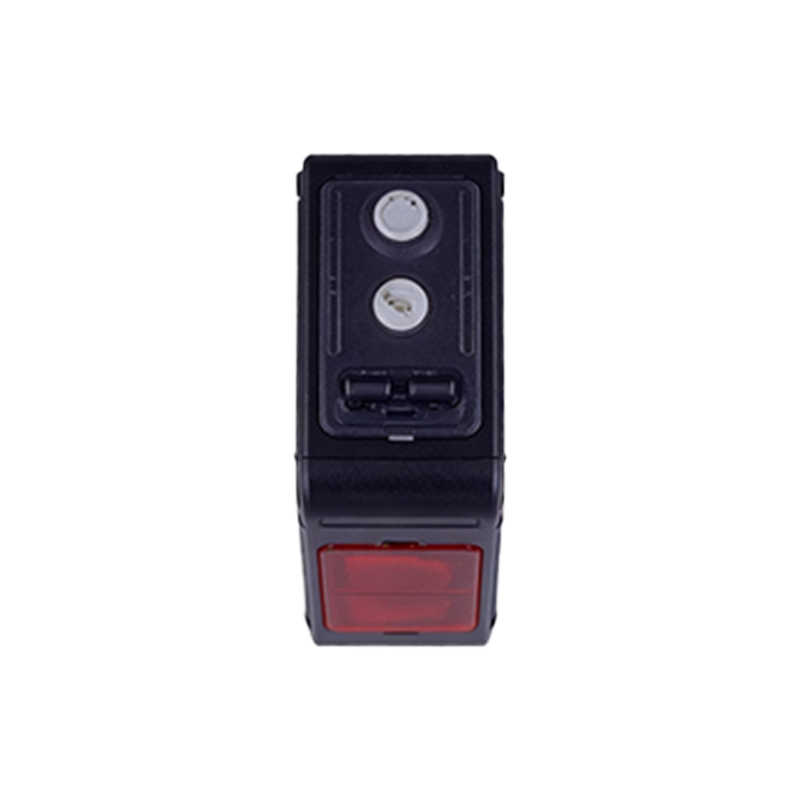
The cost of a through-beam photoelectric sensor varies significantly based on several technical and commercial factors. Sensing range is a primary determinant; models with longer ranges (e.g., over 50 meters) require more precise optics and components, increasing the price. Light source type also affects cost: standard infrared sensors are generally affordable, while laser-based sensors offer higher accuracy and longer ranges but come at a premium. Additional features like enhanced environmental protection (IP67 or higher ratings), ruggedized housings for harsh conditions, and advanced output options (e.g., analog or IO-Link) can raise the price. Brand reputation plays a role too, with established manufacturers often charging more for proven reliability and support.
Typical Price Ranges in the Market
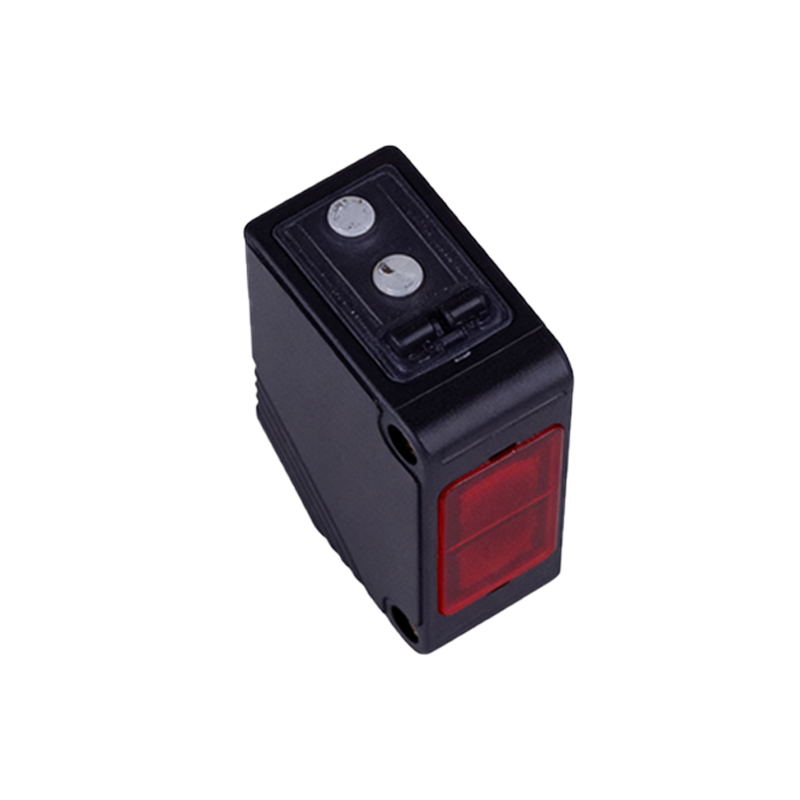
In the current market, basic through-beam photoelectric sensors with standard infrared beams and ranges up to 10 meters typically cost between $50 and $150 per set (including transmitter and receiver). Mid-range models, offering sensing distances of 10 to 30 meters with improved durability or additional functionalities like adjustable sensitivity, generally fall in the $150 to $300 range. High-end sensors, such as those with laser light sources, extended ranges exceeding 50 meters, or specialized certifications for explosive environments, can range from $300 to over $800. It's important to note that prices may vary based on regional distribution, bulk purchase discounts, and ongoing technological advancements that could gradually reduce costs for standard models.
Cost Comparison with Other Sensor Types
When evaluating expenses, it's useful to compare through-beam sensors with alternatives like retro-reflective or diffuse-reflective photoelectric sensors. Retro-reflective sensors use a single unit with a reflector, often costing less (around $30 to $100) but with shorter ranges and potential issues with reflective surfaces. Diffuse sensors, which detect objects by reflecting light back to the emitter, are similarly priced but less effective in dusty or dark environments. While through-beam sensors have a higher upfront cost due to their two-unit design, they provide superior performance in terms of range and reliability, potentially reducing long-term maintenance and downtime costs in industrial settings.
Tips for Budgeting and Purchasing
To make an informed purchase, start by clearly defining your application requirements, including required sensing distance, environmental conditions, and necessary response time. Consider total cost of ownership, not just the initial price; factors like durability, ease of installation, and compatibility with existing systems can impact overall expenses. Sourcing from reputable suppliers or direct manufacturers often ensures quality and access to technical support. Additionally, explore bulk ordering options if multiple sensors are needed, as many vendors offer discounts for larger quantities. Always check for warranties and after-sales service, as these can add value and protect your investment over time.
Future Trends and Cost Predictions
The photoelectric sensor market is evolving with trends toward miniaturization, smart connectivity, and energy efficiency. Innovations like integrated IoT capabilities and advanced materials may initially increase costs for cutting-edge models, but mass production and competition are likely to drive prices down for standard through-beam sensors over the next few years. As industries increasingly adopt automation, demand for reliable sensors is expected to grow, potentially stabilizing prices while enhancing features. Keeping an eye on emerging technologies can help buyers anticipate cost shifts and make strategic purchasing decisions.