Introduction to the KSC1010G-4 Proximity Sensor
The KSC1010G-4 represents a significant advancement in inductive proximity sensing technology, engineered for demanding industrial environments. As a core component in modern automation systems, this sensor provides reliable non-contact detection of metallic objects. Its robust construction and precise operation make it an indispensable tool for tasks ranging from simple part presence verification to complex positioning and counting in assembly lines, packaging machinery, and material handling systems. The design philosophy behind the KSC1010G-4 emphasizes durability, accuracy, and ease of integration, ensuring minimal downtime and consistent performance under variable operating conditions.
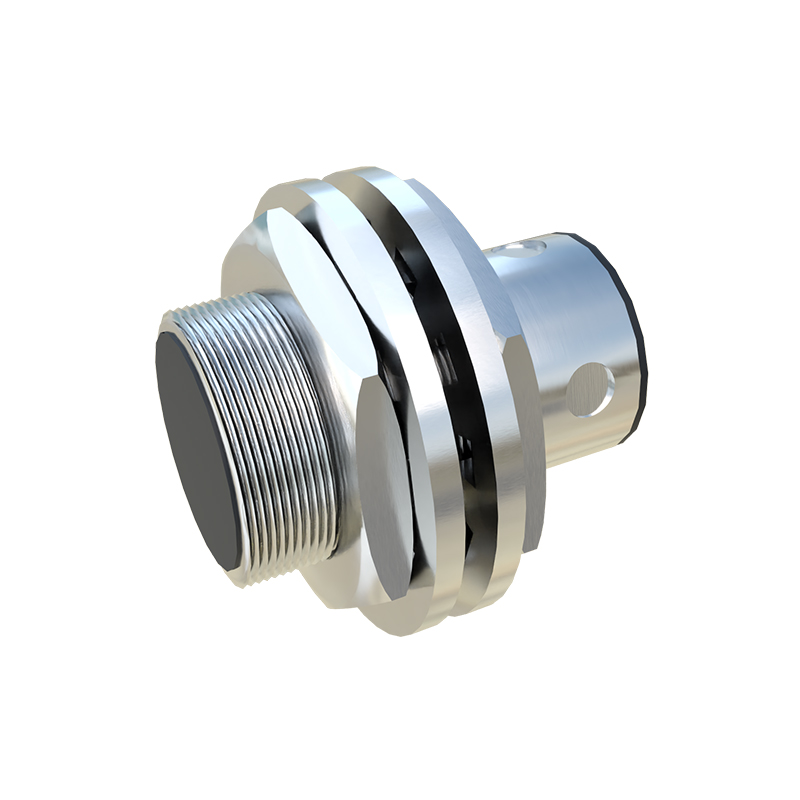
Core Technical Specifications and Operating Principles
Operating on the principle of electromagnetic induction, the KSC1010G-4 generates an oscillating electromagnetic field from its sensing face. When a metallic target enters this field, eddy currents are induced within the target, causing a change in the oscillation amplitude within the sensor's internal circuit. This change is detected and triggers a solid-state switching output. Key specifications include a standard sensing range, typically up to 10mm for mild steel, with a repeat accuracy in the micron range. It features a 4-wire configuration, providing both Normally Open (NO) and Normally Closed (NC) complementary outputs, which offers exceptional flexibility in control logic design. The sensor operates on a wide DC voltage range, commonly 10-30V DC, and is characterized by a fast switching frequency, enabling it to detect high-speed objects on fast-moving production lines.
Robust Construction and Environmental Ratings
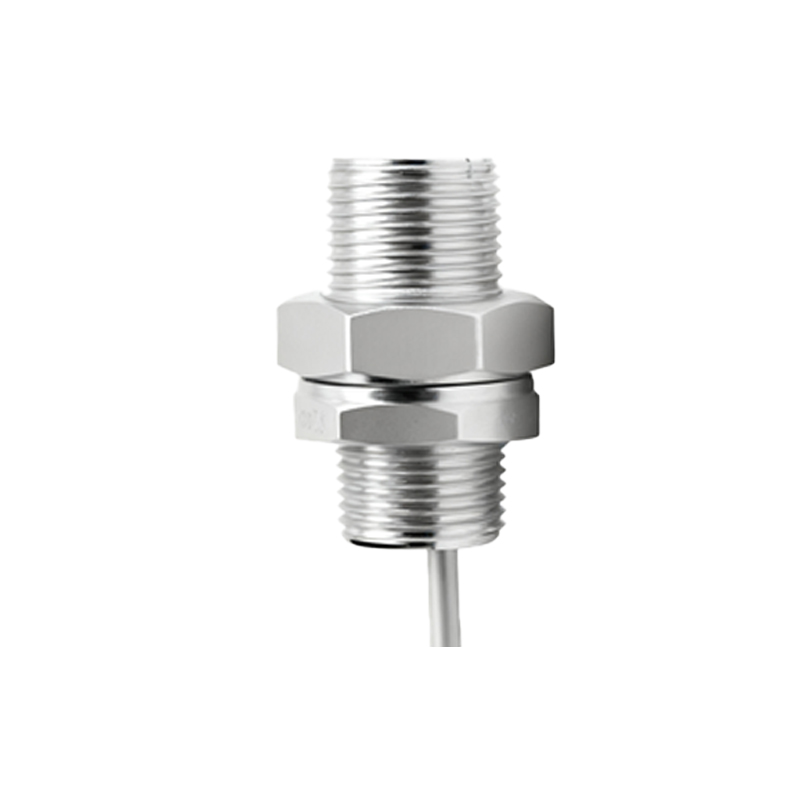
The housing of the KSC1010G-4 is typically constructed from nickel-plated brass or high-grade stainless steel, offering excellent resistance to mechanical impact, corrosion, and chemical exposure. The sensing face is made of a specialized polymer that protects the internal coil while allowing the electromagnetic field to pass through effectively. A critical feature is its high Ingress Protection (IP) rating, such as IP67, which guarantees protection against dust ingress and temporary immersion in water. This makes it suitable for use in washdown areas, outdoor applications, and other harsh environments where moisture, coolants, or metal chips are present. The device is also designed to withstand significant electromagnetic interference (EMI), ensuring stable operation near motors, welders, and other sources of electrical noise.
Wiring, Installation, and Configuration Guidelines
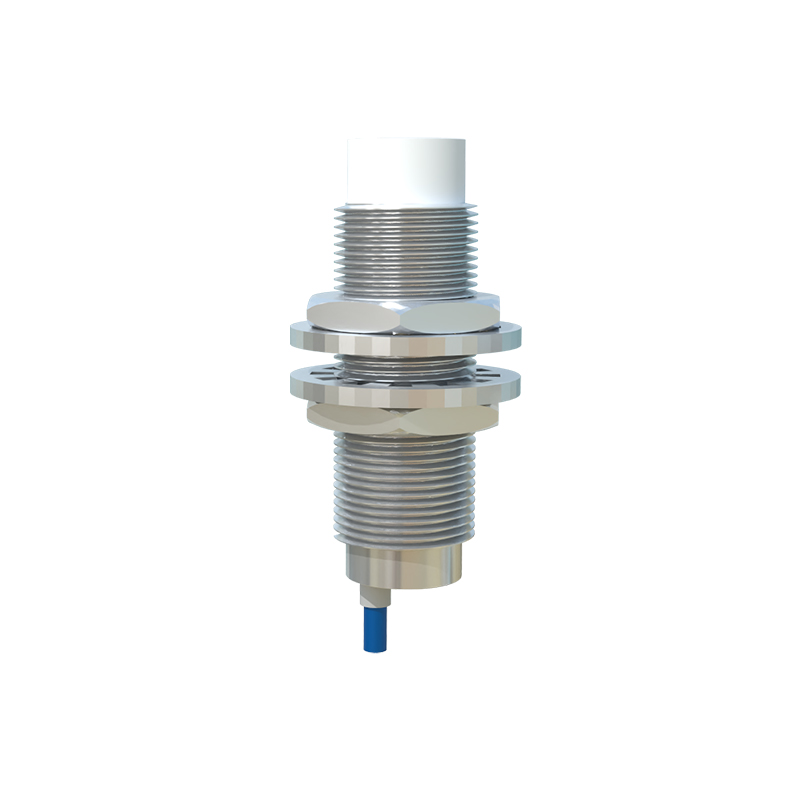
The 4-wire design of the KSC1010G-4 simplifies installation and connection to Programmable Logic Controllers (PLCs) or other control systems. The standard wire color coding includes brown for positive supply voltage (+V), blue for common negative (0V), black for the Normally Open output, and white for the Normally Closed output. Proper installation is paramount for optimal performance. It is crucial to maintain the recommended lateral and axial clearance from surrounding metal structures to prevent false triggering or a reduction in the effective sensing distance. Mounting the sensor securely using appropriate brackets minimizes vibration-induced errors. Many models feature a built-in LED status indicator that provides visual confirmation of power and output switching, greatly aiding in setup and troubleshooting.
Application Scenarios and Industry Use Cases
The versatility of the KSC1010G-4 lends itself to a vast array of industrial applications. In automotive manufacturing, it is used for robotic end-effector positioning and verifying the presence of engine components on pallets. In the packaging industry, it counts bottles or boxes on conveyor belts. In metalworking, it serves as a limit switch for CNC machine tool turrets or detects the end of a metal coil. Its complementary outputs allow for sophisticated control schemes; for instance, one output can signal a machine to start a process, while the other can activate a safety interlock or a diagnostic routine. Its reliability is key in applications where unscheduled stops are costly.
Maintenance, Diagnostics, and Troubleshooting Tips
While designed for longevity with no moving parts to wear out, periodic inspection of the KSC1010G-4 is recommended. Maintenance primarily involves keeping the sensing face clean from buildup of oil, grease, or metal debris, which can attenuate the sensing field. Common issues include failure to detect targets, which may stem from incorrect power supply voltage, an insufficient target size or material, or physical damage to the sensor. Constant output activation can indicate a wiring fault, a short circuit, or the sensor being installed too close to a permanent metal structure. Utilizing the LED indicator is the first step in diagnostics, followed by verifying supply voltage and output load with a multimeter according to the manufacturer's datasheet.
Conclusion and Selection Considerations
The KSC1010G