In the realm of modern automotive technology, backup proximity switch sensors have emerged as a pivotal component for enhancing driver safety and convenience. These sensors, often integrated into a vehicle's rear bumper, utilize advanced detection mechanisms to alert drivers of obstacles during reversing maneuvers. As urban environments become increasingly congested and parking spaces tighter, the reliance on such systems has grown substantially. This article delves into the functionality, types, and benefits of backup proximity switch sensors, providing a comprehensive overview for vehicle owners and enthusiasts alike.
Backup proximity switch sensors operate primarily through ultrasonic or electromagnetic principles. Ultrasonic sensors emit high-frequency sound waves that bounce off nearby objects, calculating distance based on the time taken for the echo to return. Electromagnetic sensors, on the other hand, generate a magnetic field to detect metallic obstacles. Both systems are designed to activate when the vehicle is shifted into reverse gear, providing real-time feedback to the driver through auditory beeps or visual displays on the dashboard. The frequency and intensity of these alerts typically increase as the vehicle approaches an obstacle, allowing for precise maneuvering in tight spots.
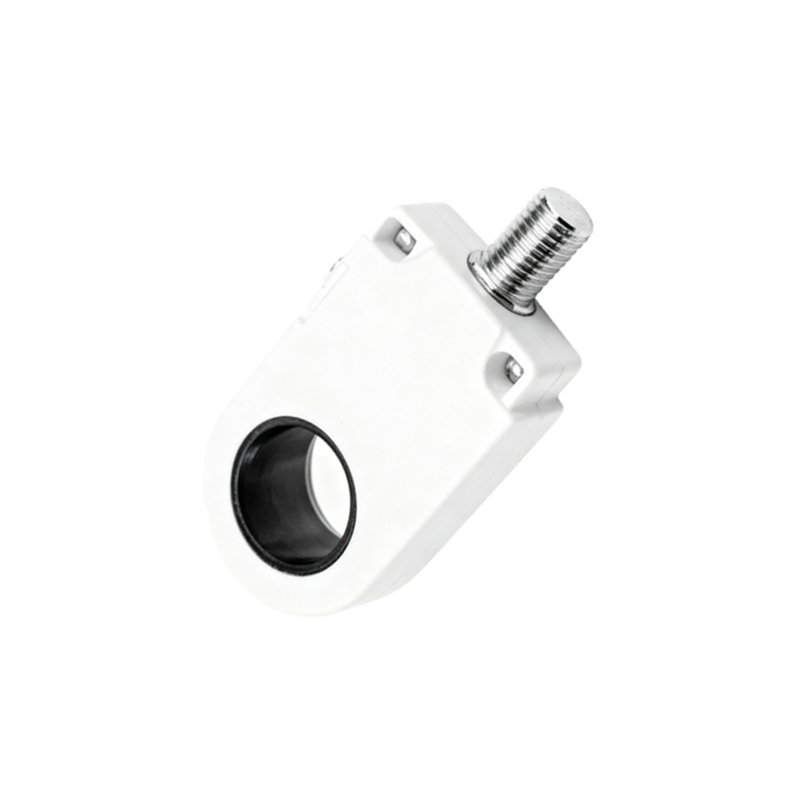
The evolution of these sensors has been driven by advancements in automotive safety standards. Initially introduced as luxury features in high-end models, backup proximity switch sensors are now commonplace in many mid-range and economy vehicles. This democratization of technology underscores a broader industry commitment to reducing collisions and enhancing pedestrian safety. According to traffic safety studies, a significant percentage of low-speed accidents occur during reversing, often due to blind spots or driver inattention. By providing an additional layer of awareness, these sensors mitigate such risks, potentially lowering insurance premiums and repair costs over time.
Installation and maintenance of backup proximity switch sensors are relatively straightforward, though professional calibration is recommended for optimal performance. Most modern vehicles come pre-equipped with sensor systems, but aftermarket kits are available for older models. These kits typically include sensors, control modules, and wiring harnesses, with installation requiring careful placement on the bumper to ensure accurate detection ranges. Regular cleaning of sensor surfaces is essential, as dirt, snow, or debris can interfere with signal transmission. Additionally, drivers should be aware of environmental factors like heavy rain or extreme temperatures, which may temporarily affect sensor accuracy.
Beyond basic obstacle detection, newer iterations of backup proximity switch sensors integrate with other vehicle systems to offer enhanced functionalities. For instance, some models link to rearview cameras, providing a combined visual and auditory warning system. Others incorporate automatic braking features that engage if the driver fails to respond to alerts, preventing minor impacts. These integrations reflect a trend toward holistic safety ecosystems in automobiles, where multiple technologies work in concert to protect occupants and bystanders.
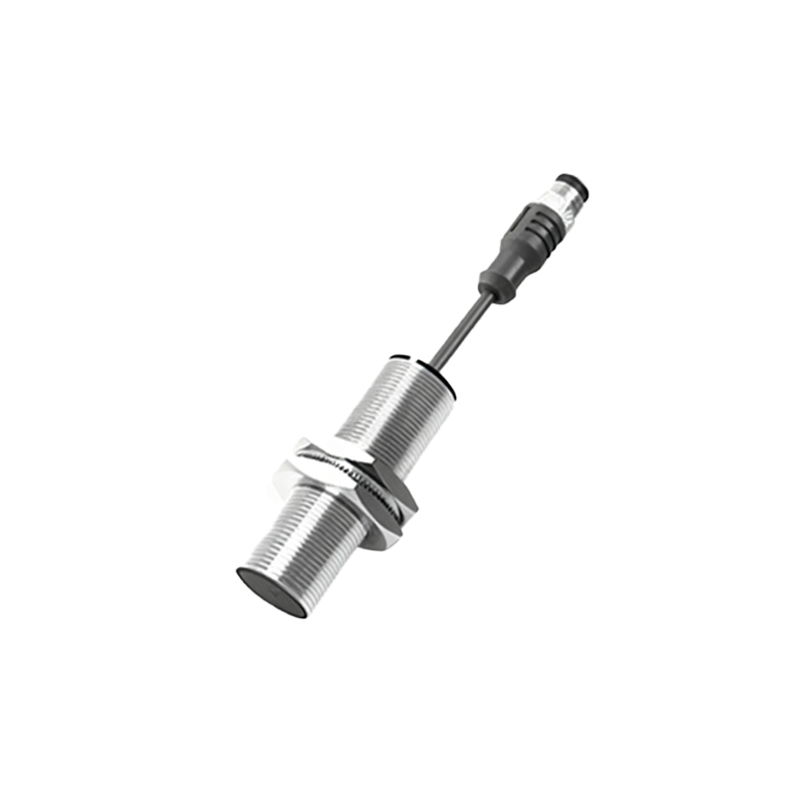
The benefits of backup proximity switch sensors extend beyond safety alone. For daily commuters, these systems reduce the stress associated with parallel parking or navigating crowded lots. Commercial vehicle operators, such as delivery drivers, find them invaluable for avoiding costly damages in tight loading zones. Moreover, the resale value of vehicles equipped with such sensors often sees a positive impact, as buyers increasingly prioritize safety features. As autonomous driving technologies continue to develop, the role of proximity sensors is expected to expand, potentially serving as foundational components for fully automated parking solutions.
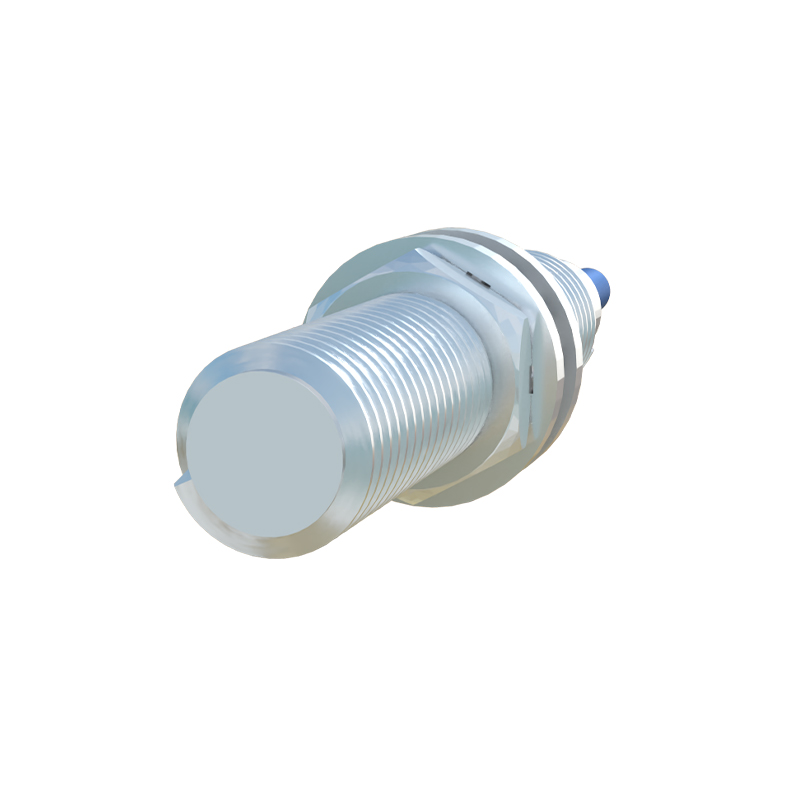
In conclusion, backup proximity switch sensors represent a critical innovation in automotive design, bridging the gap between driver capability and environmental challenges. Their widespread adoption highlights a collective shift toward proactive safety measures, reducing accidents and fostering confidence on the road. Whether as standard equipment or an aftermarket addition, these sensors offer tangible advantages for any vehicle owner seeking to enhance their driving experience. As technology progresses, we can anticipate even more sophisticated applications, further solidifying their place in the future of transportation.