In today's rapidly evolving industrial landscape, the demand for precision and reliability in automation systems has never been higher. Square proximity sensors, known for their robust design and consistent performance, play a pivotal role in countless applications—from manufacturing assembly lines to packaging machinery. However, off-the-shelf sensors often fall short when faced with unique operational challenges, such as extreme environmental conditions, specific detection ranges, or integration constraints with existing equipment. This is where the value of custom square proximity sensors becomes undeniable.
Customization begins with a thorough understanding of the application's requirements. Engineers and designers collaborate closely with clients to assess factors like sensing distance, output type (e.g., NPN, PNP, or analog), housing material, and electrical connections. For instance, in harsh environments where exposure to moisture, dust, or chemicals is common, sensors can be tailored with IP67 or higher ingress protection ratings, utilizing stainless steel or specialized polymer housings. Similarly, detection ranges can be adjusted to meet precise needs, whether for detecting small components at close proximity or larger objects from a distance.
The electrical characteristics of square proximity sensors are another critical aspect of customization. Voltage requirements vary across regions and systems; sensors can be engineered to operate reliably within specific voltage ranges, such as 10-30V DC or 90-250V AC. Output configurations are also adaptable—some applications may benefit from normally open (NO) or normally closed (NC) contacts, while others might require analog outputs for continuous measurement. By tailoring these parameters, custom sensors ensure seamless compatibility with control systems, reducing installation time and minimizing errors.
Integration with existing machinery often poses challenges, particularly when space is limited or mounting options are non-standard. Custom square proximity sensors can be designed with unique form factors, such as modified dimensions, threaded or bracket mounts, and specialized cable lengths or connectors. This flexibility not only simplifies installation but also enhances the overall efficiency of the system. For example, in automated conveyor systems, sensors can be customized to fit into tight spaces without compromising detection accuracy, thereby optimizing workflow and reducing downtime.
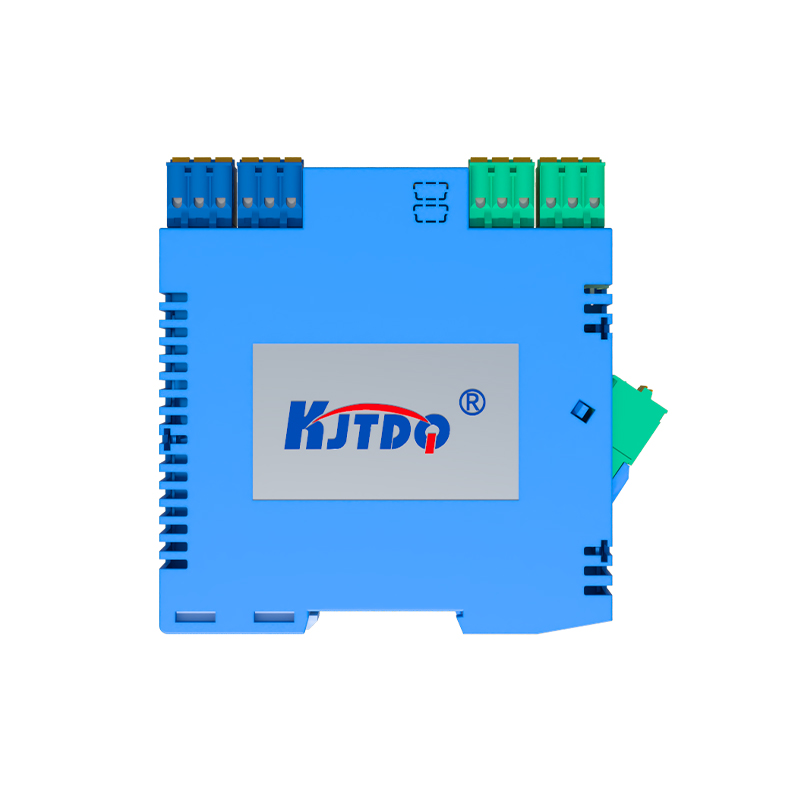
Material selection is a key consideration in customization, impacting both durability and performance. In food and beverage industries, sensors may require FDA-approved materials to ensure hygiene and compliance with regulations. In contrast, heavy-duty manufacturing might demand hardened steel housings to withstand mechanical impacts. Additionally, temperature tolerances can be extended for applications in extreme climates, such as freezing cold storage facilities or high-temperature foundries. By choosing appropriate materials, custom sensors deliver long-term reliability and reduce maintenance costs.
The benefits of opting for custom square proximity sensors extend beyond technical specifications. Tailored solutions often lead to improved system accuracy, as sensors are fine-tuned to detect specific objects or materials. This precision minimizes false triggers and enhances safety in critical operations. Moreover, customization can result in cost savings over time by reducing the need for additional components or frequent replacements. Clients also gain a competitive edge through optimized processes and increased productivity.
Implementing custom sensors involves a collaborative process between manufacturers and end-users. It typically starts with a detailed consultation to identify pain points and objectives. Prototyping and testing follow, allowing for adjustments before full-scale production. Reputable manufacturers leverage advanced technologies, such as 3D modeling and simulation, to validate designs and ensure performance standards are met. This iterative approach guarantees that the final product aligns perfectly with the application's demands.
In conclusion, custom square proximity sensors offer a strategic advantage in modern automation. By addressing unique challenges through tailored design, they enhance reliability, efficiency, and safety across diverse industries. Whether for simple object detection or complex industrial systems, investing in customization ensures that sensors not only meet but exceed expectations, driving innovation and operational excellence.