Introduction to Cylindrical Through-Beam Photoelectric Sensors
Cylindrical through-beam photoelectric sensors, often referred to as opposed-mode sensors, are fundamental components in industrial automation and control systems. These devices operate on a simple yet highly effective principle: a separate emitter unit projects a beam of light, typically infrared, visible red, or laser, towards a receiver unit positioned directly opposite. The primary function is to detect the presence or absence of an object that interrupts this continuous light beam. Their cylindrical housing, conforming to standard industrial form factors like M12, M18, or M30, makes them robust, easy to install, and suitable for a vast array of harsh environments. This design offers distinct advantages in terms of sensing range, reliability, and immunity to environmental factors compared to other sensing modes like diffuse or retro-reflective.
Core Operating Principle and Components
The operation is elegantly straightforward. The emitter contains a light source, such as an LED or laser diode, which generates a modulated light signal. This modulation, often at a specific high frequency, allows the receiver to distinguish the sensor's signal from ambient light, significantly enhancing noise immunity. The receiver houses a phototransistor or photodiode tuned to the emitter's frequency. When the beam is uninterrupted, the receiver's output is in one state (typically "ON" or "HIGH"). When an object passes between the two units, it blocks the beam, causing the receiver to switch its output state ("OFF" or "LOW"). This clear, binary signal provides highly reliable object detection. The physical separation of emitter and receiver allows for very long sensing distances, often ranging from a few meters up to several tens of meters.
Key Advantages in Industrial Settings
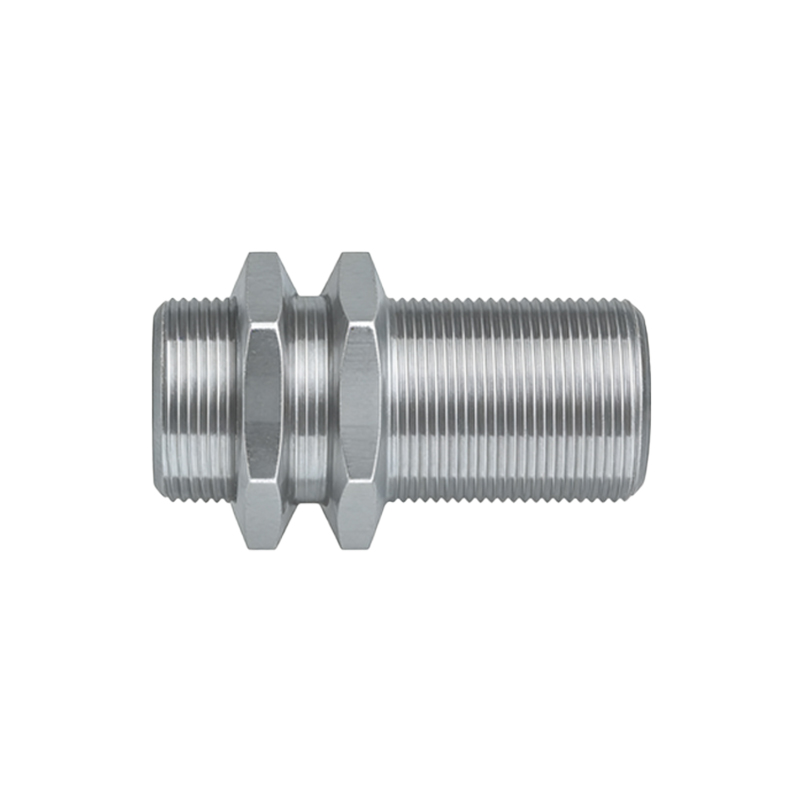
Cylindrical through-beam sensors offer several compelling benefits that justify their widespread use. First and foremost is their exceptional sensing range and accuracy. Because the receiver detects the direct beam from the emitter, it is less susceptible to variations in the target object's color, reflectivity, or surface finish. This makes them ideal for detecting transparent objects, like glass or plastic bottles, which can challenge other sensor types. Secondly, they provide high reliability and stability. The modulated light beam ensures consistent operation even in environments with fluctuating ambient light. Their robust cylindrical metal or plastic housings are frequently rated IP67, IP68, or IP69K, offering superior protection against dust, water jets, and mechanical impacts, which is crucial for washdown areas in food and beverage or pharmaceutical industries.
Common Applications Across Industries
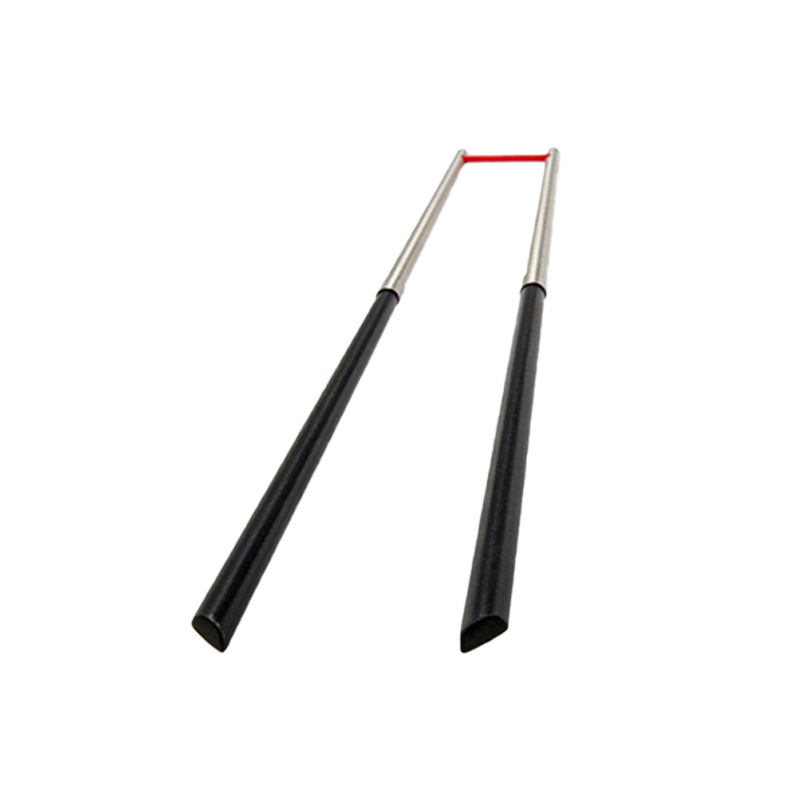
The versatility of these sensors is demonstrated by their application across numerous sectors. In packaging and material handling, they are used for precise object counting on high-speed conveyor belts, detecting missing labels on products, and ensuring proper case sealing. Within the automotive manufacturing sector, they verify the presence of components on assembly lines, control robot positioning, and monitor door or hatch openings. In the electronics industry, they ensure precise board positioning for soldering or testing. Furthermore, they are employed in security systems as part of safety light curtains to protect personnel around hazardous machinery. Their ability to detect small or fast-moving objects makes them indispensable for automation tasks requiring high precision.
Critical Selection Criteria for Engineers
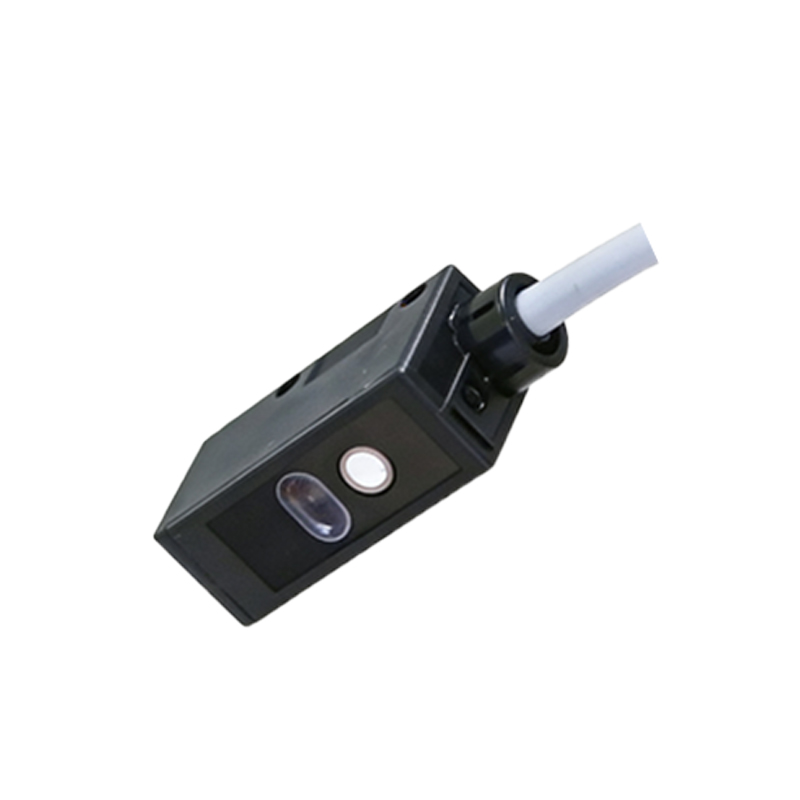
Selecting the appropriate cylindrical through-beam sensor requires careful consideration of several technical parameters. Sensing range is paramount; engineers must ensure the chosen model's specified range accommodates the required installation distance. The light source type is another key decision: infrared for general-purpose long-range detection, visible red for easier alignment, or laser for extremely precise detection of minute objects. The housing material and ingress protection (IP) rating must match the environmental conditions, including exposure to chemicals, temperature extremes, or high-pressure cleaning. Output configuration (PNP/NPN, NO/NC) must be compatible with the programmable logic controller (PLC) or control system. Finally, factors like response time, supply voltage, and connection type (pre-wired cable or connector) are essential for seamless system integration.
Installation, Alignment, and Maintenance Best Practices
Proper installation is critical for optimal performance. The emitter and receiver must be securely mounted on stable surfaces, perfectly aligned along the same axis to ensure the beam strikes the receiver's detection element directly. Many models feature built-in alignment indicators, such as LED lights that change state or brightness when optimal alignment is achieved. During installation, it is vital to avoid mounting surfaces that may vibrate, as this can lead to misalignment and false triggers. Regular maintenance involves keeping the lenses clean from dust, dirt, or oil buildup that could attenuate the light signal. Periodically checking the alignment and the integrity of the mounting hardware helps prevent unexpected downtime and ensures long-term, reliable operation in demanding production environments.
Conclusion and Future Outlook
Cylindrical through-beam photoelectric sensors remain a cornerstone technology in industrial automation due to their simplicity, robustness, and unparalleled reliability for long-range, precise object detection. Their design has evolved to include advanced features like IO-Link communication for digital parameter setting and diagnostics, enhancing their role in Industry 4.0 smart factories. As manufacturing processes demand higher speeds, greater precision, and increased connectivity, these sensors will continue to adapt. Future developments may include even more compact housings, integrated multi-function capabilities, and enhanced resistance to extreme environmental conditions. For engineers designing automated systems, a thorough understanding of these sensors' capabilities and proper application principles is essential for building efficient, reliable, and productive industrial operations.