Understanding Photoelectric Sensor Technology
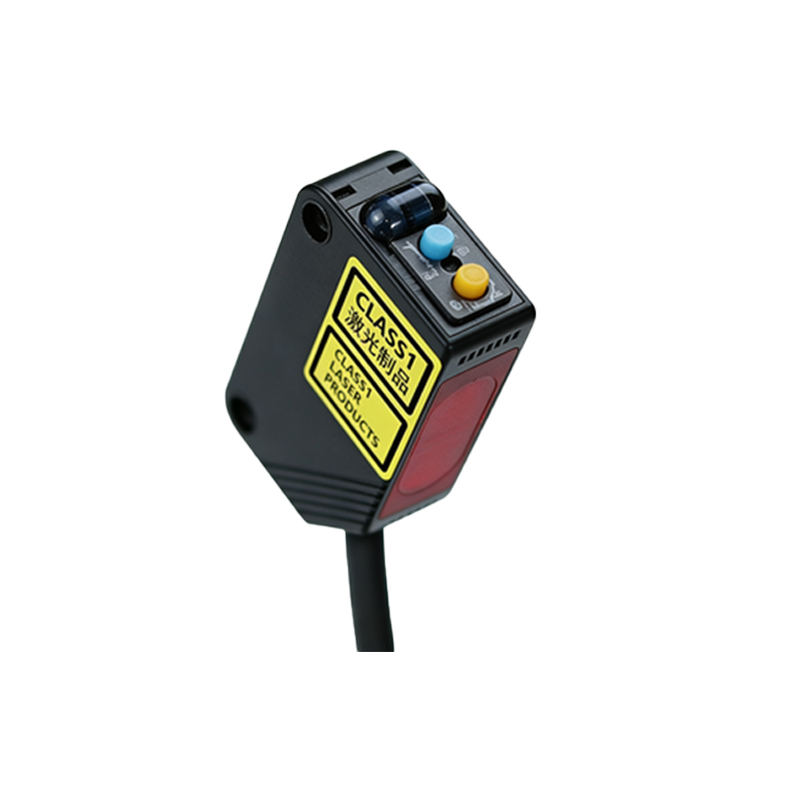
Photoelectric sensors are pivotal components in modern industrial automation, utilizing light beams to detect the presence, absence, or distance of objects. These devices operate on the principle of emitting a light source—typically LED-based in visible red, infrared, or laser forms—and measuring the reflected or interrupted light signal. Key types include through-beam, retro-reflective, and diffuse reflective sensors, each suited for specific applications such as object counting, positioning, and quality control on assembly lines. The core technology hinges on precise optics and stable electronics to ensure accurate detection even in challenging environments with dust, moisture, or variable lighting. By sourcing directly from manufacturers, engineers gain deeper insight into these technological nuances, enabling optimized sensor selection for tasks like packaging, material handling, or robotic guidance, where reliability is non-negotiable.
Advantages of Direct Manufacturer Sourcing
Procuring photoelectric sensors directly from the source offers distinct benefits that streamline operations and enhance system performance. Firstly, it eliminates intermediary markups, significantly reducing procurement costs—a critical factor for large-scale industrial deployments. Direct engagement with manufacturers facilitates access to comprehensive technical support, including detailed datasheets, application notes, and custom configuration options tailored to unique project requirements. This close collaboration ensures faster resolution of design challenges, such as adapting sensors for high-temperature settings or corrosive atmospheres. Moreover, manufacturers often provide rigorous quality assurance, with testing protocols like IP67 ratings for waterproofing or EMC compliance for electromagnetic interference, ensuring durability in harsh factory conditions. By bypassing distributors, companies can also expedite lead times and secure volume discounts, bolstering supply chain resilience.
Ensuring Quality and Consistency in Production
Quality control is paramount in photoelectric sensor manufacturing, as even minor deviations can lead to system failures. Reputable manufacturers implement stringent processes, from component sourcing to final assembly, adhering to international standards like ISO 9001. Advanced production lines incorporate automated optical inspection (AOI) and environmental stress testing to verify parameters such as sensing range, response time, and temperature tolerance. For instance, sensors designed for food processing may use stainless steel housings and hygienic designs to prevent contamination. Direct sourcing allows clients to audit these facilities, ensuring transparency in material selection—like high-grade lenses for clear beam transmission—and consistency across batches. This hands-on approach minimizes defects, reduces downtime in automated systems, and extends product lifespan, ultimately lowering total cost of ownership through fewer replacements and maintenance cycles.
Customization and Technical Support Services
One of the standout advantages of working directly with photoelectric sensor manufacturers is the ability to request custom solutions. Standard off-the-shelf sensors may not suffice for specialized applications, such as detecting translucent materials or operating in extreme vibration zones. Manufacturers can modify designs by adjusting beam patterns, output signals (e.g., NPN/PNP or analog), or housing materials to meet exact specifications. Technical teams often provide on-site consultation, simulating real-world conditions to validate performance before deployment. Additionally, direct access to R&D departments enables co-development of innovative features, like IO-Link connectivity for smart factory integration or enhanced algorithms for noise filtering. Comprehensive support extends to firmware updates and troubleshooting guides, empowering engineers to maintain peak sensor efficiency throughout the product lifecycle.
Cost-Effectiveness and Long-Term Value
While initial price is a consideration, the true value of direct manufacturer sourcing lies in long-term savings and operational efficiency. By cutting out middlemen, companies can allocate budgets toward higher-quality components or larger orders, achieving economies of scale. Manufacturers often offer lifecycle management, including end-of-life notifications and compatible replacement options, preventing costly system overhauls. For example, investing in robust photoelectric sensors with extended warranties reduces unexpected failures in critical processes like automotive manufacturing or pharmaceutical packaging. Furthermore, direct relationships foster collaborative innovation, leading to sensors that consume less power or integrate easily with PLCs, thereby optimizing overall plant productivity. In essence, this procurement strategy not only lowers upfront expenses but also enhances reliability, making it a smart investment for sustainable industrial growth.