Introduction to Carlo Gavazzi Proximity Sensors
Carlo Gavazzi proximity sensors represent a pinnacle of reliability and precision in the field of industrial automation. These non-contact sensing devices are engineered to detect the presence or absence of objects with exceptional accuracy, making them indispensable in manufacturing, packaging, and material handling systems. By utilizing electromagnetic fields, capacitive effects, or ultrasonic waves, Carlo Gavazzi sensors operate without physical contact, thereby minimizing wear and tear and ensuring long-term operational stability. Their robust construction allows them to thrive in harsh environments, resisting factors such as dust, moisture, and temperature fluctuations. This introduction sets the stage for exploring the technical sophistication and practical benefits that define Carlo Gavazzi's sensor solutions.
Key Technologies and Operating Principles
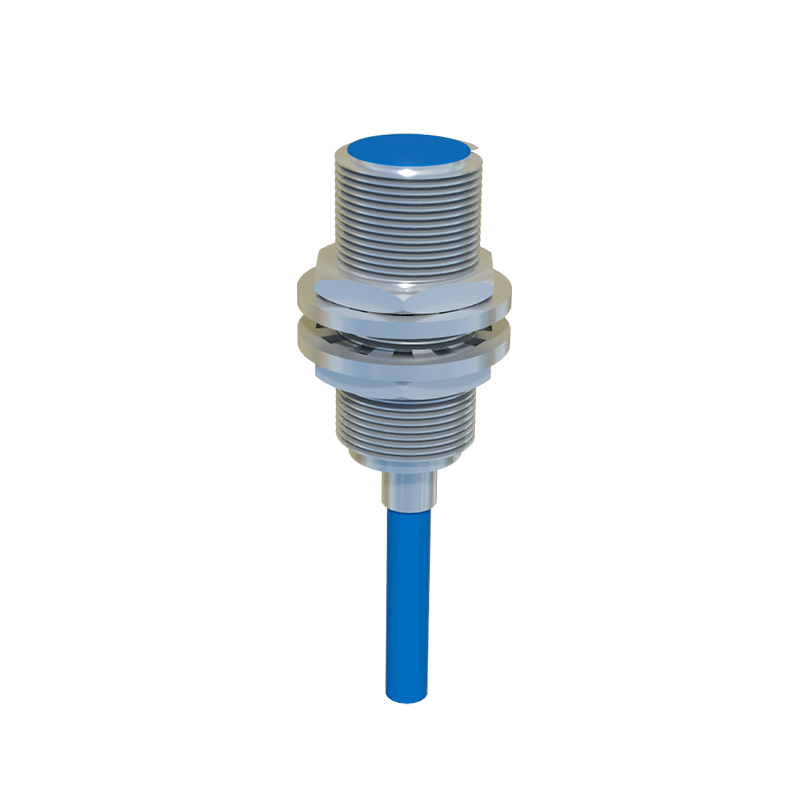
Carlo Gavazzi proximity sensors leverage advanced technologies to meet diverse industrial needs. Inductive sensors, for instance, detect metallic objects through electromagnetic induction, offering high repeatability and resistance to environmental interference. Capacitive sensors, on the other hand, can sense both metallic and non-metallic materials by measuring changes in capacitance, making them versatile for applications involving liquids or plastics. Ultrasonic sensors use sound waves to gauge distance or presence, excelling in scenarios requiring precise level detection. Each type incorporates microprocessors and signal conditioning circuits to enhance sensitivity and response times. The integration of these technologies ensures that Carlo Gavazzi sensors deliver consistent performance, even in complex automation setups where speed and accuracy are critical.
Design Features and Durability
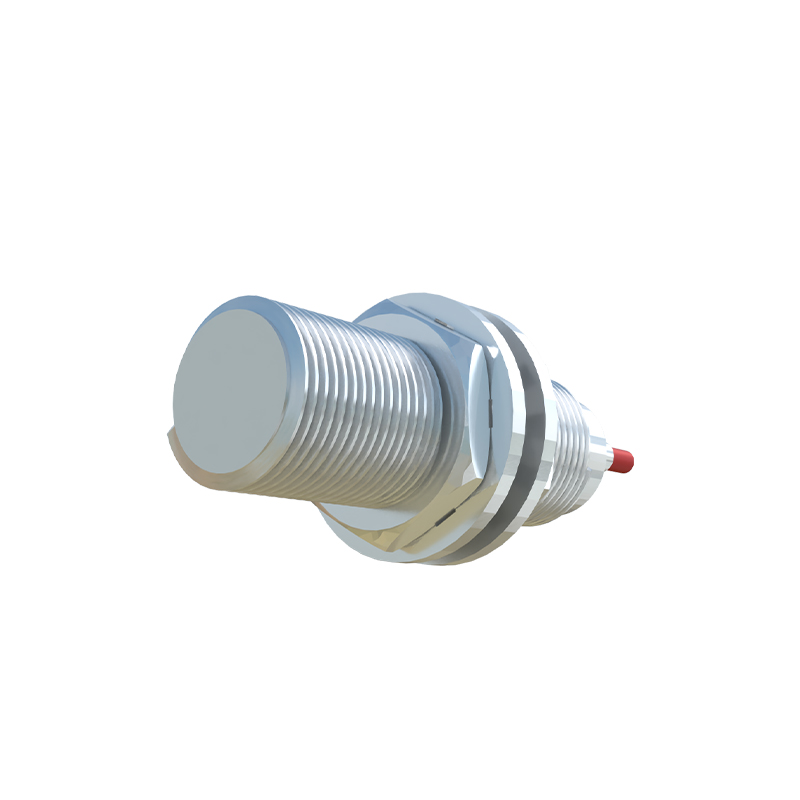
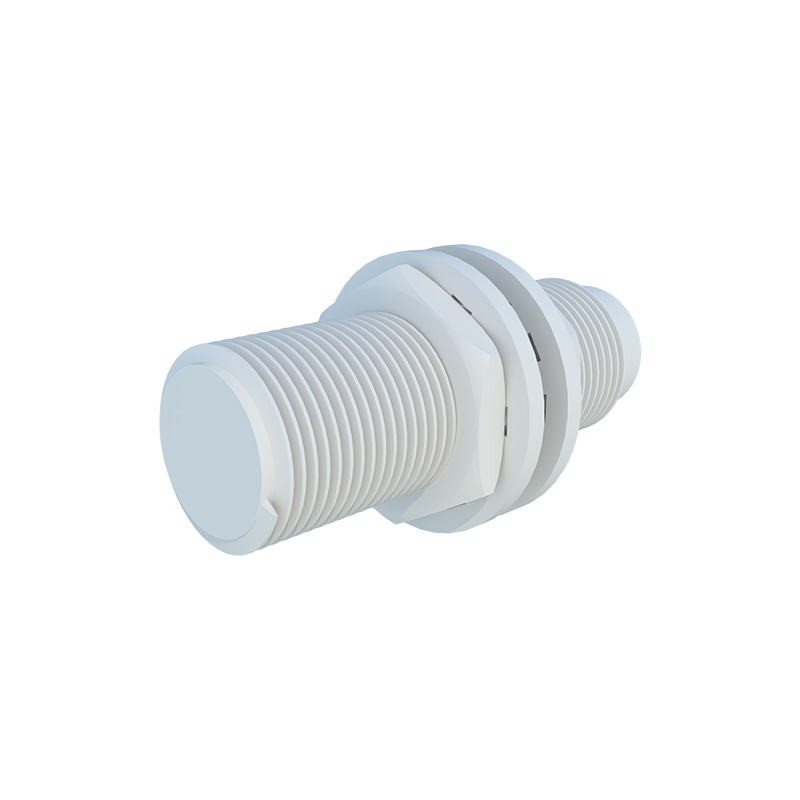
The design of Carlo Gavazzi proximity sensors emphasizes durability and ease of integration. Housed in rugged enclosures made from materials like stainless steel or thermoplastic, these sensors are built to withstand mechanical shocks, vibrations, and corrosive substances. Many models feature IP67 or higher ingress protection ratings, safeguarding against water and dust ingress in demanding settings. Additionally, their compact form factors allow for flexible mounting in space-constrained installations. Electrical characteristics, such as wide operating voltage ranges and short-circuit protection, further enhance reliability. LED indicators provide visual feedback on operational status, simplifying maintenance and troubleshooting. These design elements collectively contribute to a product line that reduces downtime and extends service life in industrial applications.
Application Scenarios in Modern Industries
Carlo Gavazzi proximity sensors find extensive use across various industrial sectors. In automotive manufacturing, they facilitate precise positioning of components on assembly lines, ensuring quality control and efficiency. Within the food and beverage industry, capacitive sensors monitor fill levels in containers, while inductive variants detect metal contaminants to uphold safety standards. Logistics and warehousing systems rely on these sensors for conveyor belt control and inventory management, optimizing throughput. Moreover, in renewable energy installations, such as wind turbines, proximity sensors assist in monitoring mechanical movements to prevent failures. By adapting to specific environmental and operational demands, Carlo Gavazzi sensors enable seamless automation, boosting productivity and reducing human intervention in repetitive or hazardous tasks.
Advantages Over Competing Sensor Solutions
When compared to other proximity sensors on the market, Carlo Gavazzi products stand out due to their superior performance metrics and cost-effectiveness. Their high switching frequencies and minimal hysteresis allow for faster cycle times in dynamic processes, enhancing overall system efficiency. The sensors' immunity to electromagnetic interference ensures stable operation in electrically noisy environments, a common challenge in industrial plants. Furthermore, Carlo Gavazzi offers a wide selection of models with customizable sensing ranges and output configurations, providing tailored solutions that reduce integration complexity. Backed by comprehensive technical support and global availability, these sensors deliver a lower total cost of ownership through reduced maintenance needs and longer lifespans, making them a preferred choice for engineers seeking reliable automation components.
Future Trends and Innovations
The evolution of Carlo Gavazzi proximity sensors is closely aligned with emerging trends in Industry 4.0 and smart manufacturing. Future iterations are expected to incorporate IoT connectivity, enabling real-time data transmission for predictive maintenance and analytics. Enhanced sensing algorithms will improve accuracy in detecting complex object shapes or materials, expanding application possibilities. Energy-efficient designs will also gain prominence, aligning with sustainability goals by minimizing power consumption in large-scale deployments. As industries increasingly adopt automated and interconnected systems, Carlo Gavazzi is poised to innovate with sensors that offer greater intelligence, adaptability, and seamless integration into digital ecosystems, driving the next wave of industrial advancement.