Understanding Proximity Switch Fundamentals
Proximity switches, also known as proximity sensors, are non-contact electronic devices designed to detect the presence or absence of an object within a specified sensing range. Operating on principles such as electromagnetic, capacitive, or inductive sensing, these switches are fundamental components in automated industrial systems. Their primary function is to provide a reliable signal to a control system, triggering actions like starting a process, counting items, or, most critically, initiating safety protocols. Given their role in monitoring machine perimeters, guard positions, and material handling, ensuring their correct and safe operation is paramount to preventing equipment damage and, more importantly, safeguarding personnel from potential hazards associated with moving machinery.
Key Safety Risks and Failure Modes

Despite their reliability, proximity sensors are not infallible, and their failure can lead to severe safety incidents. Common risks include sensor malfunction due to environmental factors like excessive dust, moisture, or temperature extremes, which can cause false triggering or a failure to detect. Electrical interference from nearby high-power equipment can also disrupt sensor signals. Mechanical damage from vibration or impact is another concern. The most dangerous failure mode is a "fail-safe" violation, where a faulty sensor incorrectly indicates a safe condition, such as signaling that a safety guard is closed when it is actually open. Understanding these potential failure points is the first step in designing an effective safety protection strategy.
Implementing Redundant and Diverse Sensing Systems
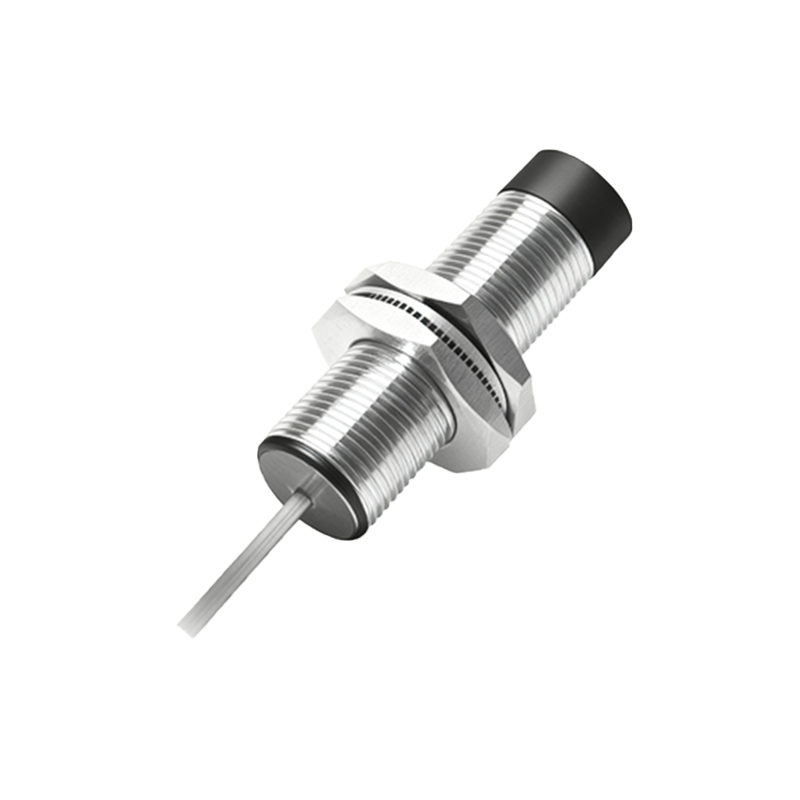
A cornerstone of functional safety in machinery, as outlined in standards like ISO 13849-1, is the use of redundancy. For critical safety functions, relying on a single proximity switch is insufficient. Implementing a dual-channel system with two independent sensors monitoring the same hazardous state significantly enhances reliability. This approach often employs a "1-out-of-2" voting logic, where the safety system requires only one sensor to detect an unsafe condition to initiate a stop. Furthermore, using sensors based on different physical principles (e.g., pairing an inductive proximity switch with a mechanical limit switch) provides diversity, protecting against common-cause failures that could affect identical sensors simultaneously.
Environmental Protection and Correct Installation
The operational environment dictates the required protection level for proximity sensors. Selecting devices with appropriate Ingress Protection (IP) ratings, such as IP67 for dust-tight and temporary immersion protection, is crucial for harsh conditions. Proper installation is equally vital. Sensors must be mounted securely to minimize vibration effects and positioned correctly relative to the target object to ensure consistent sensing within the specified range. Adequate clearance from metal structures and other sensors must be maintained to prevent mutual interference. Wiring should be performed using shielded cables, with shields properly grounded to mitigate electromagnetic interference, ensuring signal integrity.
Integration with Safety Control Systems
The output from safety-rated proximity switches must be processed by a dedicated safety control system, such as a Safety PLC or a safety relay. These systems are designed with internally monitored redundancy and self-checking capabilities. They continuously test the safety circuit, including the sensors, for faults like wire breaks or short circuits. The safety controller should be programmed to place the machine in a safe state (typically a controlled stop) upon detecting any anomaly or an unsafe condition from the sensors. This integration transforms a simple detection signal into a robust, monitored safety function that meets required Performance Levels (PL) or Safety Integrity Levels (SIL).
Regular Testing, Maintenance, and Documentation
No safety system is effective without a rigorous maintenance regimen. A scheduled testing procedure must be established to verify that all proximity switches involved in safety functions operate correctly. This includes functional tests to ensure they detect targets as expected and diagnostic tests facilitated by the safety controller. Maintenance logs should document all inspections, tests, adjustments, and replacements. Personnel performing these tasks must be adequately trained. Furthermore, a clear lockout/tagout (LOTO) procedure must be followed during maintenance to ensure the machine is de-energized and cannot be restarted accidentally, protecting the technicians.
Adherence to International Safety Standards
Compliance with recognized international standards is not merely a legal formality but a blueprint for safety. Key standards include IEC 60947-5-2 for proximity device specifications, IEC 62061 for safety of machinery regarding functional safety of electrical systems, and ISO 13849-1 for safety-related parts of control systems. These standards provide frameworks for risk assessment, design principles for safety functions, and guidelines for validating and verifying the system. Designing and validating a safety system according to these standards ensures a systematic, defendable approach to risk reduction and helps achieve the necessary level of safety integrity for the application.
SEO描述