Introduction to Ring Proximity Sensor Technology
Ring proximity sensors, also known as annular or donut sensors, are specialized inductive devices designed for non-contact detection of metallic objects passing through their central aperture. Unlike standard proximity sensors, their ring-shaped structure allows for continuous monitoring without physical contact, making them ideal for high-speed counting, sorting, and inspection applications on production lines. The core principle relies on generating an electromagnetic field within the ring; when a metal target enters this field, it causes a detectable change in oscillation amplitude or frequency, triggering an output signal. This technology is prized for its reliability, fast response times, and ability to operate in harsh industrial environments with dust, oil, or vibration. Key parameters influencing performance include sensing distance (related to ring inner diameter), target material (ferrous vs. non-ferrous metals), switching frequency, and environmental protection ratings like IP67. As automation demands grow, selecting a reputable brand becomes critical for ensuring precision, durability, and seamless integration into control systems.
Leading Global Brands and Their Innovations
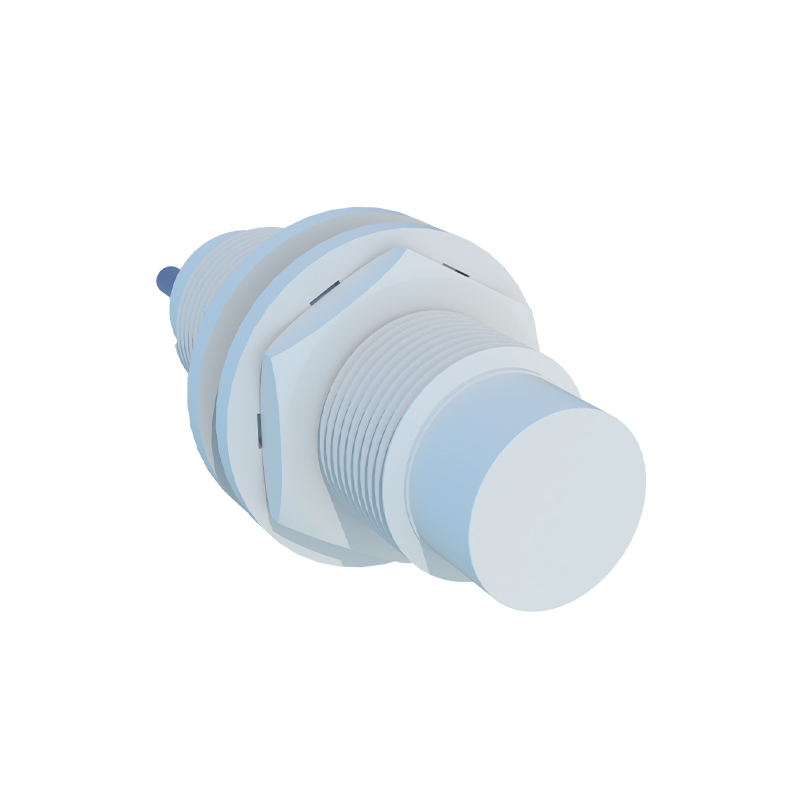
Several established brands dominate the ring proximity sensor market, each offering unique strengths. Siemens, a German industrial giant, provides robust sensors under its SIMATIC portfolio, known for high precision and compatibility with PROFINET systems. Their rings often feature advanced diagnostics and rugged designs for heavy-duty use. Omron, a Japanese leader, excels in compact, high-speed sensors with models like the E2E-XR, emphasizing reliability in packaging and assembly lines. Pepperl+Fuchs, another German specialist, focuses on explosion-proof and intrinsically safe options for hazardous areas, alongside innovative designs with IO-Link communication for smart factory integration. Balluff, also from Germany, offers versatile rings with customizable diameters and sensing ranges, frequently incorporating RFID capabilities for tracking. Keyence, a Japanese innovator, stands out with ultra-high-speed sensors and user-friendly tuning features, ideal for precision manufacturing. These brands continuously invest in R&D, enhancing features like temperature stability, noise immunity, and connectivity to meet Industry 4.0 standards.
Key Selection Criteria for Industrial Applications
Choosing the right ring proximity sensor brand involves evaluating specific application needs. First, consider the target characteristics: size, material, and speed. For small fast-moving parts, brands like Keyence or Omron offer high-frequency models with minimal dead zones. In corrosive or washdown environments, stainless-steel housings from Pepperl+Fuchs or Balluff provide longevity. Second, assess electrical requirements: output type (PNP/NPN analog/digital), voltage range, and connection methods. Siemens and Allen-Bradley (Rockwell Automation) sensors often align well with PLC systems from the same manufacturer, simplifying wiring. Third, mechanical factors matter: inner diameter must accommodate the target without false triggers, while outer dimensions should fit mounting constraints. Brands like Turck offer flexible, split-ring designs for retrofitting onto existing conveyors. Lastly, consider smart features: sensors with IO-Link, like those from ifm electronic, enable remote parameter adjustment and predictive maintenance data, reducing downtime. Always verify certifications (e.g., UL, CE) and support services, as local availability of spares can impact operational continuity.
Performance Comparison and Market Trends
In performance comparisons, brands differentiate through technical specs. For sensing accuracy, Keyence and Omron frequently lead in repeatability (down to micron levels), crucial for quality control. Response time is another battleground; high-end models from Sick or Baumer achieve sub-millisecond speeds for rapid production. Durability tests show German brands like Pepperl+Fuchs excelling in extreme temperatures (-25°C to 70°C) and shock resistance. Market trends highlight a shift toward digitalization: smart sensors with embedded processors allow self-monitoring and integration into Industrial IoT networks. Brands are also miniaturizing rings for electronics assembly while expanding ranges for large-object detection in logistics. Sustainability is gaining focus, with energy-efficient designs reducing plant power consumption. Additionally, modular systems from Festo or Schneider Electric enable easy customization. As competition intensifies, mid-tier brands like Carlo Gavazzi or Autonics offer cost-effective alternatives without sacrificing core reliability, appealing to budget-conscious projects.
Installation Tips and Maintenance Best Practices
Proper installation maximizes sensor lifespan and accuracy. Start by ensuring the ring is mounted securely, aligned perpendicular to the target path to avoid skewed signals. Maintain adequate clearance from surrounding metal structures (typically 1-2 times the ring diameter) to prevent electromagnetic interference. Use shielded cables, especially in high-noise environments, and ground the sensor properly per brand guidelines—Pepperl+Fuchs manuals often detail grounding for EMC compliance. For wiring, follow color codes: brown for +V,