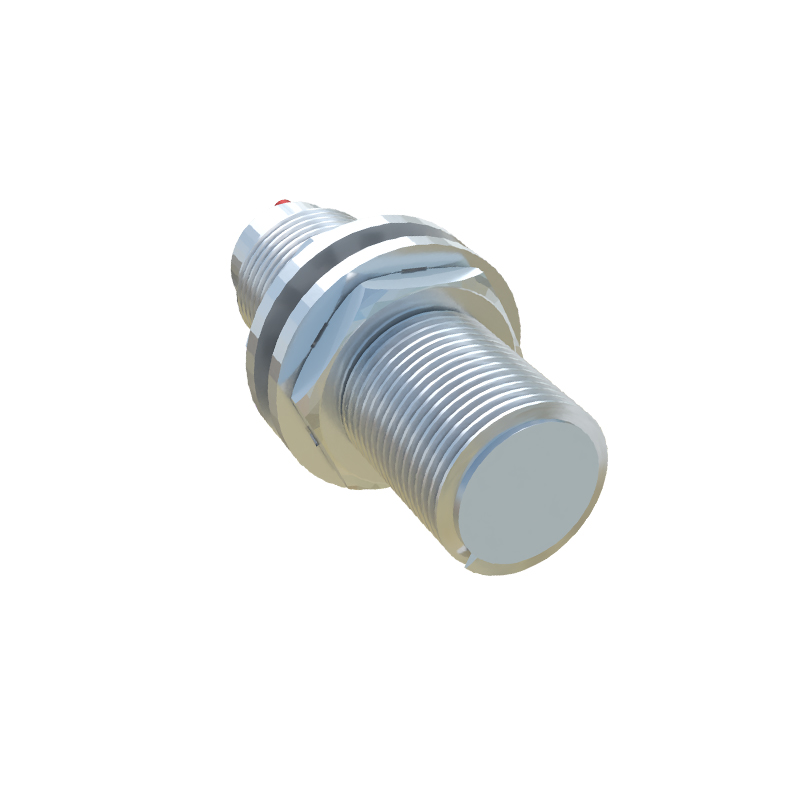
In the realm of automation, robotics, and smart systems, the ability to detect the presence or absence of an object without physical contact is fundamental. This capability is enabled by object proximity detection sensors, a diverse family of devices that have become indispensable across countless industries. These sensors operate on various physical principles, each suited to specific environments, materials, and operational requirements. Understanding their technology, applications, and selection criteria is crucial for engineers, designers, and system integrators aiming to build reliable and efficient automated solutions.
At their core, proximity sensors detect the presence of a target object within a specified sensing range, triggering an electrical signal. This non-contact operation eliminates mechanical wear and tear, allows for high-speed detection, and enables use in harsh environments where physical touch is impractical or damaging. The primary technologies can be broadly categorized into inductive, capacitive, ultrasonic, and photoelectric sensors.
Inductive proximity sensors are the workhorses for detecting metallic objects. They generate an electromagnetic field. When a ferrous or non-ferrous metal target enters this field, it induces eddy currents within the target, which in turn causes a change in the sensor's oscillation amplitude. This change is detected and converted into a switching output. These sensors are exceptionally robust, resistant to dirt, dust, and moisture, and are ideal for industrial automation—counting metal parts, determining position limits on machinery, or detecting the presence of a metal component on a conveyor belt. Their key limitation is that they only detect metals.
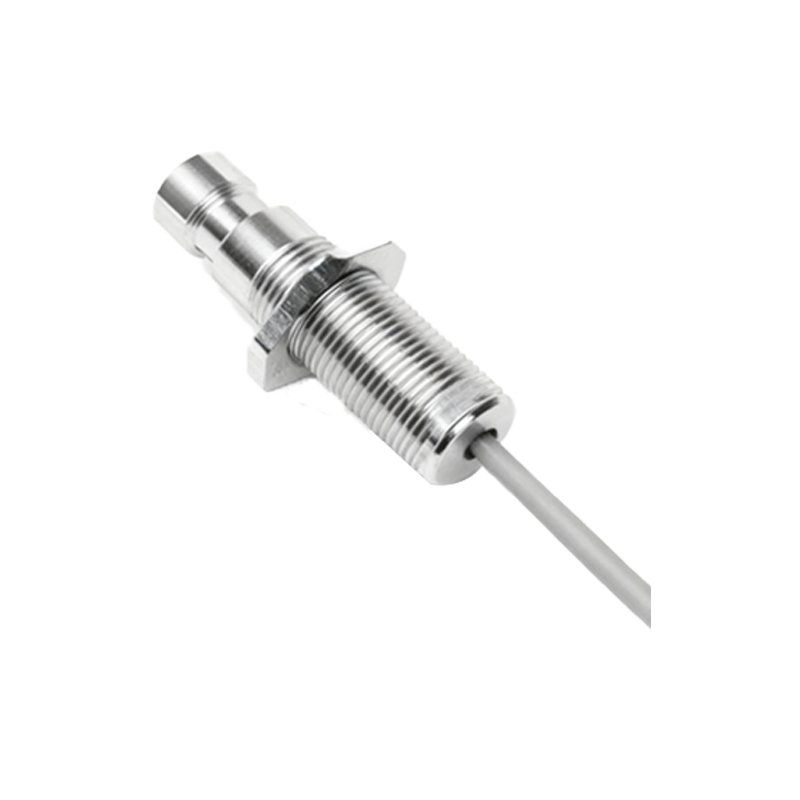
For non-metallic targets—such as plastic, wood, glass, liquids, or granular materials—capacitive proximity sensors are the solution. They function by generating an electrostatic field. Any object that enters this field alters the capacitance of the sensor's circuit, triggering the output. This makes them versatile for detecting a wide array of materials, including through certain non-metallic container walls. Common applications include liquid level detection in tanks, monitoring the fill level of boxes or bottles, and detecting the presence of paper, wood, or plastic sheets. They can be sensitive to environmental changes like humidity and require careful calibration.
Ultrasonic sensors use sound waves beyond the human hearing range. They emit high-frequency ultrasonic pulses and measure the time it takes for the echo to return from a target object. This time-of-flight principle allows them to not only detect presence but also measure distance with high accuracy. They are effective for detecting objects of virtually any material, shape, or color, and perform well in challenging environments with dust, smoke, or light interference. Applications are vast, ranging from parking assist systems in vehicles and robotic obstacle avoidance to level measurement in bulk solid silos and presence detection on complex assembly lines. Their performance can be affected by temperature variations and highly absorbent or angled surfaces.
Photoelectric sensors, another highly versatile group, operate using a light beam, typically infrared, visible red, or laser. They come in three main types: through-beam, retro-reflective, and diffuse reflective. Through-beam models have separate emitter and receiver units; breaking the beam indicates an object. They offer the longest sensing ranges and high reliability. Retro-reflective types use a single unit and a reflector, detecting an object when it interrupts the beam to the reflector. Diffuse reflective sensors detect light reflected directly off the target itself, making them simpler to install but with a shorter, target-color-dependent range. Photoelectric sensors excel at detecting small objects, are extremely fast, and are used in packaging, material handling, and safety light curtains.
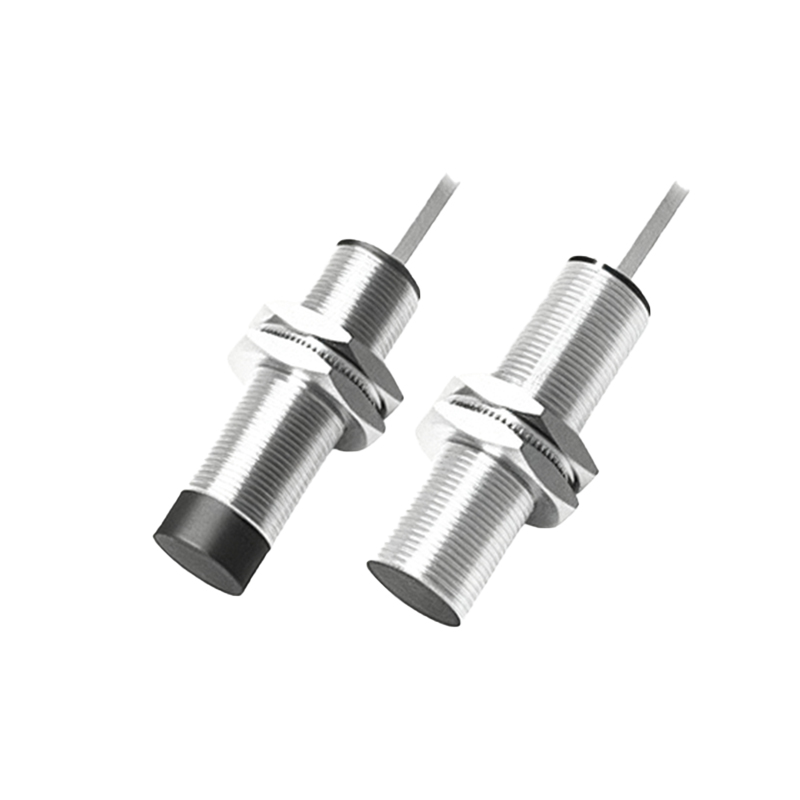
Selecting the right proximity sensor requires a careful analysis of several factors. The primary consideration is the target material, which dictates the choice between inductive, capacitive, or universal technologies like ultrasonic and photoelectric. The required sensing distance, environmental conditions (temperature, contaminants, humidity), required output type (digital switch, analog signal, IO-Link), response speed, and installation constraints all play critical roles. Furthermore, modern sensors offer advanced features like analog output for distance proportionality, built-in diagnostics, and industrial network connectivity for Industry 4.0 integration.
From the precise assembly of microelectronics to the rugged environment of a sawmill, object proximity detection sensors provide the essential "sight" and "touch" for machines. Their continuous evolution, offering greater intelligence, robustness, and miniaturization, drives innovation in automation, enhancing safety, efficiency, and productivity. A thoughtful selection process ensures these silent sentinels perform their duty reliably, forming the foundational layer of perception for the automated world.