Understanding Photoelectric Sensors and Reflective Tape
Photoelectric sensors are indispensable components in modern industrial automation, relying on light beams to detect the presence, absence, or distance of objects. Among their various operational modes—diffuse, through-beam, and retro-reflective—the retro-reflective mode specifically utilizes a specialized target: reflective tape. This tape is engineered to return the emitted light signal directly to the sensor's receiver, even when the tape is not perfectly aligned. Unlike a standard mirror, which reflects light at an equal but opposite angle, retro-reflective materials are designed with micro-prisms or glass beads. These structures bounce the incoming light beam directly back toward its source over a wide range of incidence angles. This fundamental property is what makes the combination so robust for challenging environments where sensor alignment might shift slightly due to vibration or thermal expansion.
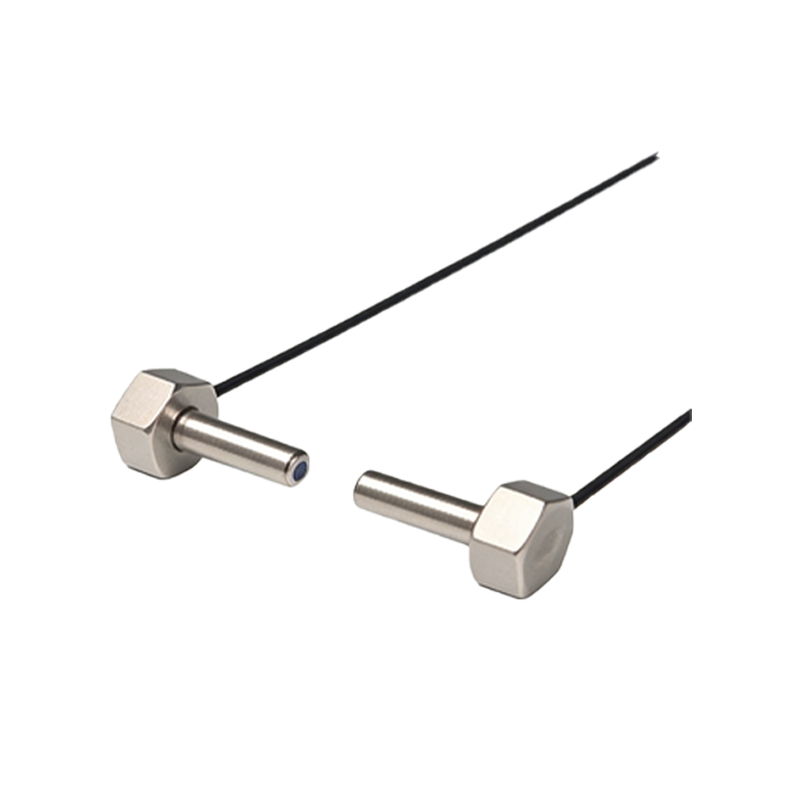
The Core Technology Behind Reflective Tape
The efficacy of reflective tape hinges on its precise construction. High-grade tapes are embedded with millions of microscopic glass beads or utilize cube-corner prismatic sheeting. Each glass bead acts as a lens, focusing incoming light onto a reflective backing layer and then redirecting it back toward the source. Prismatic sheeting, often used for longer-range applications, employs an array of tiny, three-sided prisms that achieve the same retro-reflective effect with even higher efficiency. This technology ensures a strong, consistent signal return, which is critical for the sensor's receiver to distinguish the true signal from ambient light noise. The tape's adhesive backing and protective top coat are also crucial, providing resistance to industrial contaminants like oil, dust, and moisture, thereby maintaining optical clarity and performance over time.
Key Advantages in Industrial Applications
Integrating reflective tape with photoelectric sensors unlocks significant advantages. First, it simplifies installation and reduces costs. A single sensor unit paired with affordable tape replaces the need for a separate emitter and receiver unit required in through-beam setups, cutting hardware and wiring expenses. Second, it enhances reliability. The strong retro-reflected signal allows for longer sensing distances in this mode compared to standard diffuse sensors. It also provides a more stable detection point, less susceptible to variations in the object's color or surface texture, as the sensor is tuned to the specific high-reflectivity tape. This is vital in packaging, material handling, and assembly lines where consistent detection of boxes, pallets, or machine parts is non-negotiable.
Selecting the Right Reflective Tape
Not all reflective tapes are created equal, and selection must align with the sensor and application parameters. Critical factors include the sensor's light type (typically red or infrared LED, or laser), its required sensing range, and the environmental conditions. For standard indoor use, a general-purpose glass-bead tape suffices. For longer ranges or highly precise positioning, a prismatic tape is recommended. In dirty or outdoor environments, selecting a tape with a sealed, washable surface is essential. Furthermore, the tape's size and shape matter; larger tapes provide a larger target area, making alignment easier and more forgiving. Engineers must consult both sensor and tape datasheets to ensure wavelength compatibility and performance ratings match the application's demands.
Installation and Alignment Best Practices
Proper installation is paramount for optimal performance. The reflective tape should be applied to a clean, flat, and stable surface on the target object. Any curvature, wrinkles, or contamination can scatter the light beam and weaken the return signal. During sensor mounting, the initial alignment should be done per the manufacturer's instructions, often using alignment indicators on the sensor housing. A key best practice is to use the sensor's alignment potentiometer or LED indicator to fine-tune the setup while observing the actual signal strength. It is also advisable to install the tape in a location that minimizes the chance of accidental damage or buildup of grime. Regular maintenance checks should include inspecting the tape for degradation and cleaning it with appropriate solvents to ensure sustained high reflectivity.
Troubleshooting Common Issues
Even with a robust setup, issues may arise. A frequent problem is intermittent or lost detection. This can often be traced to a dirty or damaged reflective tape surface, requiring cleaning or replacement. Misalignment due to machine vibration is another common culprit; checking and securing mounting hardware can resolve this. If the sensing range appears reduced, verify that the correct type of tape is being used for the sensor's light wavelength and that no new obstructions or highly reflective surfaces in the background are creating optical noise. Most modern sensors feature a stability or signal strength indicator, which is an invaluable tool for diagnosing these issues by providing a real-time readout of the received light intensity.
Future Trends and Material Innovations
The future of reflective tape technology is intertwined with advancements in sensor intelligence and material science. We are seeing the development of "smart" tapes with embedded patterns or codes that can convey not just presence but also data, such as product ID or orientation, to vision-based sensors. New polymer composites are increasing durability and temperature resistance, expanding applications into harsh foundries or freezer warehouses. Furthermore, the miniaturization of sensors drives the need for smaller, yet equally efficient, tape targets. As Industry 4.0 and IoT connectivity proliferate, the humble reflective tape will continue to evolve from a simple passive target into an integrated component of sophisticated data acquisition and machine guidance systems.